
Barkol Lake & Barkol Grassland: The Highland Oasis of Eastern Xinjiang
How this started for me
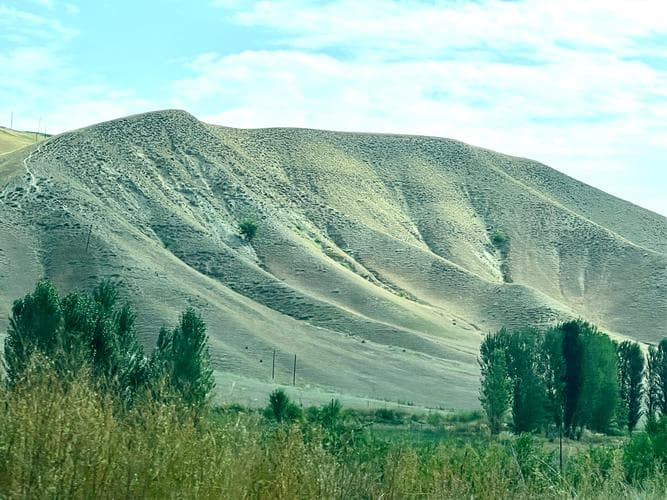
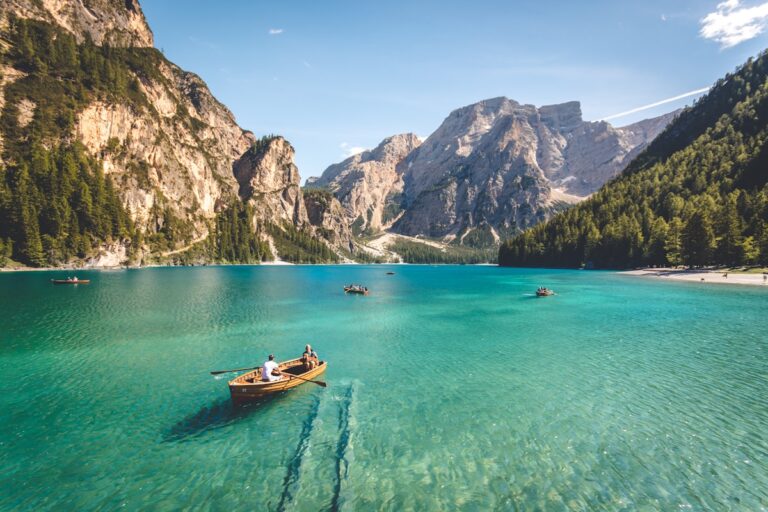
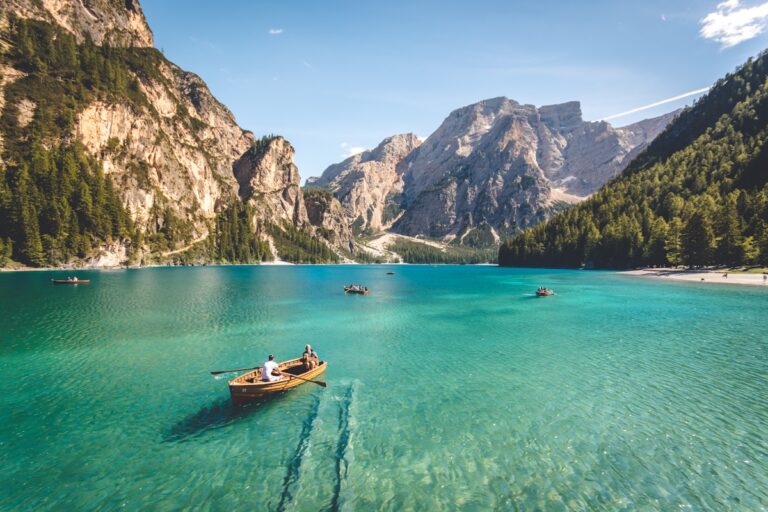
Barkol, in Hami prefecture at the eastern end of Xinjiang, is the region’s quiet alternative to the famous grasslands of the Ili Valley. Here, at an altitude above 1,500 meters, a shallow saline lake sits framed by rolling pasture and distant snow peaks, and Kazakh herders still move their flocks across the meadows in the old seasonal rhythm. For travelers coming from the Gansu corridor, it is often their first taste of Xinjiang’s vast, open north.
The appeal is restraint. Barkol has none of the ticketed spectacle of Nalati or the crowds of Sayram, and that is precisely the point. It is a place to breathe, to watch cloud shadows drift across the grass, and to understand the pastoral side of a region usually described by its deserts. In summer the whole basin turns green and the air smells of wildflowers and livestock.
Where the turn-off is
Barkol Kazakh Autonomous County lies about 140 kilometers north of Hami city, reached by a good paved road that climbs steadily into the mountains. From Hami, the drive takes roughly two to three hours by car or bus. Hami is on the Lanzhou-Xinjiang railway and the high-speed line, making it the natural gateway for travelers arriving from inland China or continuing toward Dunhuang.
Local buses connect Hami and Barkol town, but to reach the lake and grassland freely you will want a car, as the sites are spread out and public transport is thin. A rental or hired driver for a day lets you combine the lake, the pasture, and the historic Barkol town mosque in one loop. Winter closes some mountain roads with snow, so confirm the route if you travel outside the warm season.
When the months work
The short but glorious season runs from June to early September, when the grassland is at its greenest and the lake is free of ice. July and August are peak, with the warmest weather and the fullest herds, though they also bring the most local visitors on weekend picnics. June and early September are cooler and quieter, with excellent light for photography.
Autumn turns the steppe golden for a few weeks before the first snows, a beautiful but brief window. Winter is harsh and largely inaccessible for casual travel, though the frozen lake has its own stark appeal for the well prepared. Because Barkol sits high, even summer nights are cool, so pack a warm layer regardless of the month you choose.
What I would see first
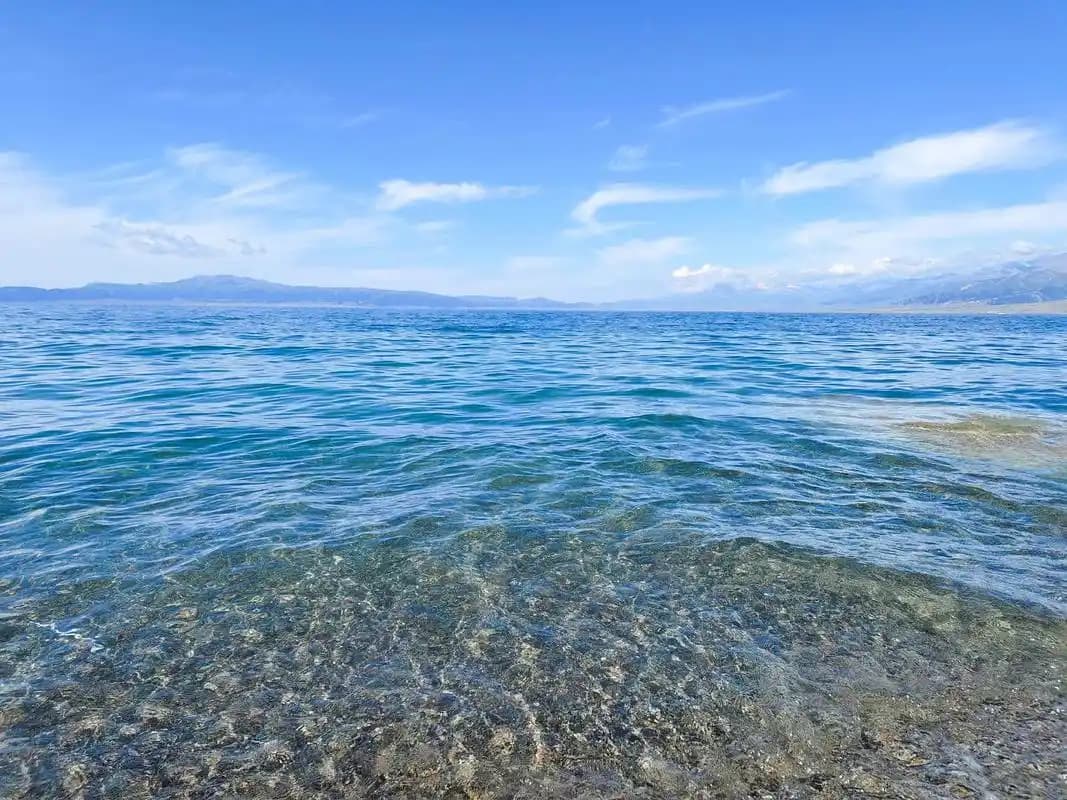
Begin at Barkol Lake itself, a wide, pale lake whose still surface mirrors the surrounding ridges. The shore is open and unscripted, ideal for a slow walk and wide photographs without fences or crowds. Birdlife gathers at the margins in season, and the saline flats catch a particular pink light at sunset that rewards visitors who stay late.
Move into the grassland, where you can arrange a visit to a Kazakh yurt camp to drink milk tea, taste fresh cheese, and learn how the herders manage the summer pastures. Horse riding is often available and is the best way to feel the scale of the meadow. The town of Barkol has a noted 19th-century mosque with a distinctive minaret, a reminder that this highland crossroads has long connected cultures as well as pastures.
If you have a vehicle, drive the ring road that follows the lake’s eastern shore, where the land falls away into wetland and the mountains rise behind it. This is also a fine spot for stargazing, since the lack of light pollution at altitude makes the Milky Way vivid on clear nights, a treat unavailable in the region’s larger cities.
Practical shortcuts
Dress in layers: a sunny afternoon can flip to a cold evening within an hour at this altitude. Sunscreen and sunglasses are essential, as the combination of elevation and open ground intensifies glare. Carry cash for yurt visits and small stalls, since card payment is not guaranteed in the countryside.
Respect pastoral life: ask before photographing herders or entering a yurt, and never drive across a meadow where livestock are grazing, as the grass is fragile and the herders depend on it. Bring your own water and snacks, because services at the lake are minimal. Allow a full day from Hami, and start early so you are not driving the mountain road back in darkness, when wildlife and fog make the route tricky.
Day trips nearby
Hami city offers the melon for which the region is famous, plus the Hami King’s Tomb and a museum that frames the area’s role on the Silk Road’s eastern fringe. The route west from Hami continues deep into Xinjiang toward Turpan and Urumqi, while the north connects toward the Junggar Basin. For travelers, Barkol works best as a refreshing highland pause between the desert corridors and the grasslands further west.
Where I ended up
Barkol Lake and Grassland will not top any list of Xinjiang’s headline sights, and that is exactly why it charms. It is the region at its most peaceful: a lake, a meadow, and a way of life that has changed slowly. Spend a day here, and you will understand a side of Xinjiang that the big attractions rarely show.