Xinjiang Month by Month: A Calendar for Planning Any Trip
Spring (Mar–May)
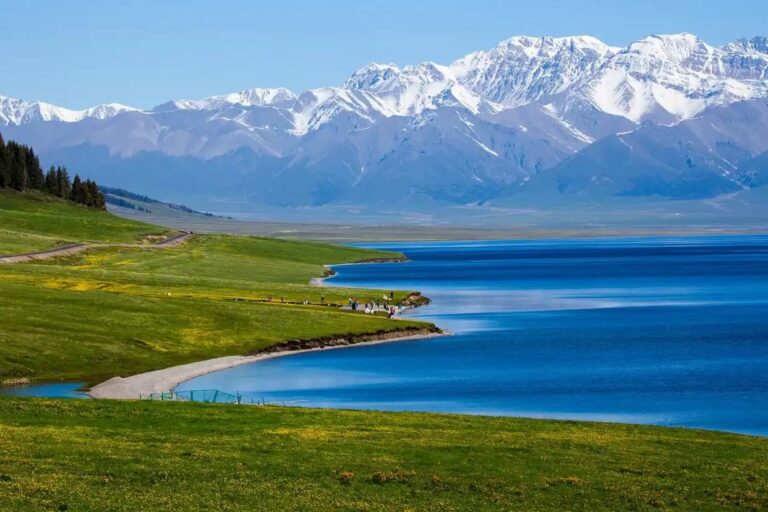
March–April: Ili apricot blossom (brief, famous); otherwise cool and greening. May: Sayram and the Ili open; southern Silk Road is pleasant. Mountain passes still closed. Quiet, cheap, variable weather — the underrated shoulder.

Summer (Jun–Aug)
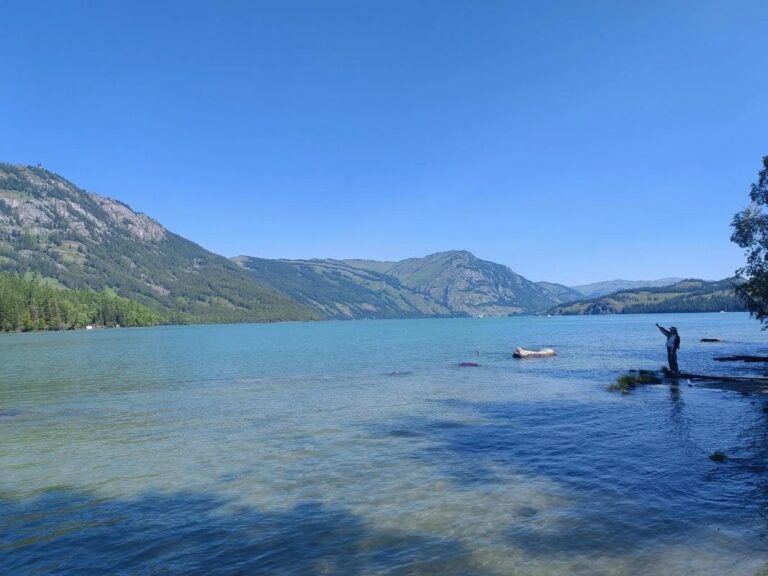
June: Duku and Pamir open; north is lush. July–Aug: peak green, festivals (Turpan Grape in Aug), but hot in the basins (Turpan 40°C+) and busy. School holidays crowd the icons. Best for the high country and the grasslands; worst for the deserts’ heat.
Autumn (Sep–Nov)
Late Sep–early Oct: the gold window — Kanas, Hemu, Ili at their peak. Crowded, especially National Day (Oct 1–7); avoid those days. Mid–late Oct: quieter, still colorful. Nov: cold, empty, pretty in the south. The headline season — book early, dodge the holiday.
Winter (Dec–Feb)
Frozen lakes, snowy spruce, empty roads, cheap rooms. Lowland highways open; high passes closed. Sayram ice, Ili quiet, the Pamir limited. For prepared drivers and photographers, the most pristine (and coldest) season. Skip it if you want green and open passes.
The One-Line Answer
Want iconic color and don’t mind crowds → late September (before Oct 1). Want empty roads and good weather → May or mid-October. Want snow silence → January (lowland only). Want the full high-country loop → July. Match the month to the region and Xinjiang delivers; pick at random and you may hit a closed pass. The calendar is the plan.
Matching Month to Region
The right month flips by zone, so plan by region, not by season. Spring (March-May) brings Ili’s brief apricot blossom and cool, greening lowlands; mountain passes stay closed. Summer (June-August) opens the Duku and Pamir and lush highlands, but the basins roast (Turpan past 40°C) and schools crowd the icons. Autumn (late Sep-early Oct) is the gold window for Kanas, Hemu and Ili – book early and dodge National Day (Oct 1-7).
The itinerary mistake that costs a day
Wake at six, drive four hours, check in at ten, and the morning is gone along with the next one. Putting a long drive between two early starts. It feels efficient and it is the single thing that most reliably ruins a trip here, because distances are not what your map suggests. Split the drive at the town in the middle, sleep, and you get the afternoon on the far side as well. I have done it both ways. For the part people underestimate, see our [[xinjiang-festivals-calendar|Xinjiang Festivals and Events Calendar…]].
Who this kind of trip suits
Someone who likes long horizons on the road and does not need a cafe on every corner. There is no version of this where you see the whole region in three days, and the guides promising it are lying. Someone with a week, or two, prepared to sleep in two different kinds of bed in four days. It is less good with a fixed number of days, a small budget for a guided solution, and a low tolerance for checkpoints. For the part people underestimate, see our [[xinjiang-festivals-calendar|Xinjiang Festivals and Events Calendar…]].
Staying connected, and why cash still matters
Coverage on the main roads is genuinely good and thins out exactly where you would least want it to, which is the side road you took because the map said it went somewhere. The eSIM is easy now and it works the moment you land. Keep cash anyway. The petrol station, the small hotel, the family kitchen with five tables and the driver who takes you back after hours are all cash, and one declined payment in the middle of nowhere is the problem that logistics cannot fix.
What a day actually costs
The shape is simple: the car and the fuel, the rooms, the food. The places where it stops being cheap are the entrance tickets and the guided days. Food is the smallest of the three if you eat where locals eat and the biggest if you eat where the menu is in English. For two people driving, a day that includes a hotel runs a small fraction of the same day in Western Europe, and the gap opens further once you stop paying restaurants.
Winter and the Shoulders
Winter (December-February) means frozen lakes, snowy spruce, empty roads and cheap rooms; lowland highways stay open while high passes close. For the cleanest experience, May and mid-October offer empty roads and good weather, while January is snow silence (lowland only). The honest best time to visit Xinjiang depends on what you want – iconic color, empty roads, or snow.