Halal & Vegetarian Eating in Xinjiang: Navigating the Meat-Heavy Table
Xinjiang is one of the easiest places in China for halal eating — nearly all Uyghur, Hui, Kazakh, and Kyrgyz food is halal by default, and pork is confined to separate, clearly marked Han-Chinese joints. The flip side is that the table is meat-heavy: lamb is everywhere, vegetables less so. Lighter eaters and vegetarians can eat well, but they need to know the moves. This is the practical guide.
Last updated: July 15, 2026 · Written by Karl Huang, a Xinjiang travel specialist who has spent time across the region. Practical details are cross-checked against official tourism, transport, and border-regulation sources.
Start with the halal certainty.
Halal by Default
Walk into any Uyghur restaurant or night-market grill and it’s halal — no need to ask. The separate pork places are signed and uncommon outside Han districts of big cities. Muslim travelers will find the region comfortable; the call to prayer and the mosque presence are part of daily life. Just confirm at a mixed ‘Chinese’ restaurant if unsure — the halal sign (清真) is displayed where applicable.

Vegetables and Sides
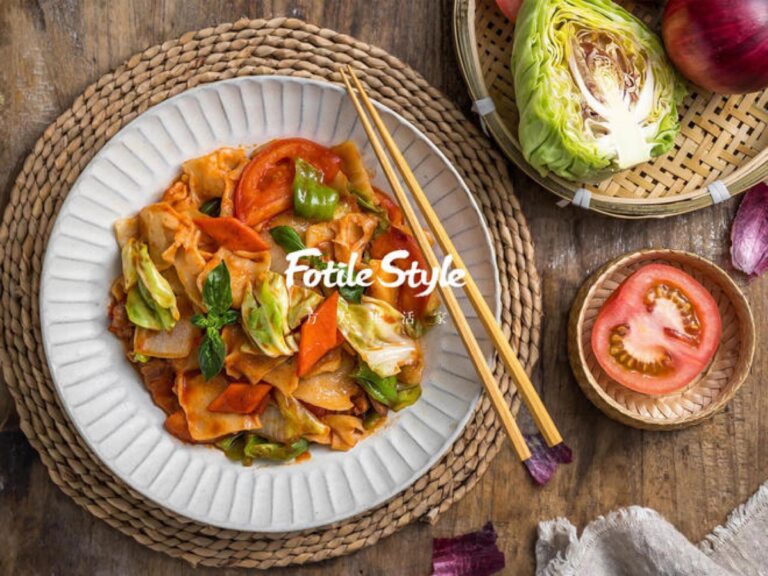
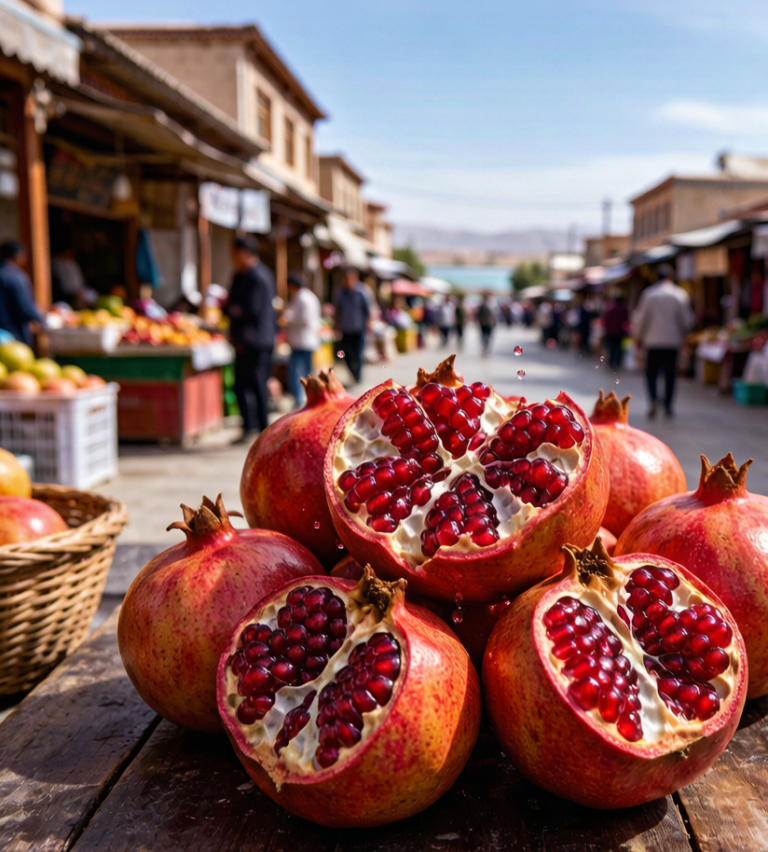
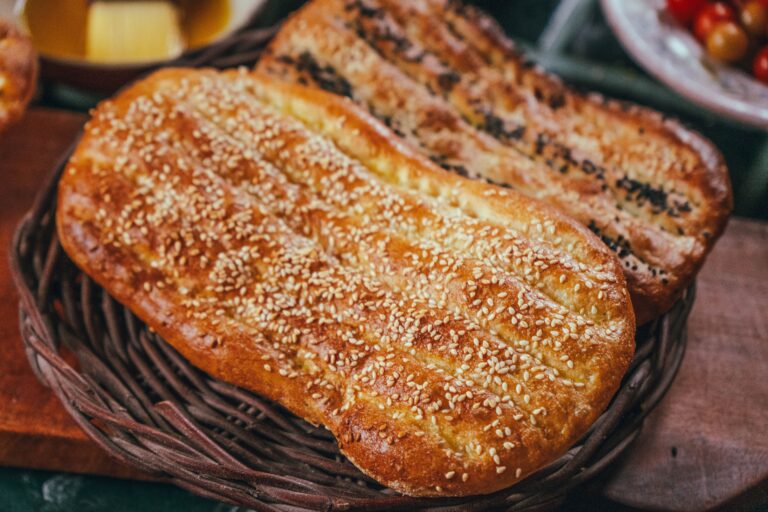
True vegetarianism is rare locally, but the building blocks exist: naan (bread, no animal product), plain yogurt, fresh fruit (the region’s best), tomato-onion laghman without meat (ask for ‘suuzsiz’ / no meat), and the cold cucumber or tomato salads at restaurants. The Central Asian influence means more veg than inland China — peppers, tomatoes, carrots show up constantly. Ask for a noodle or rice dish ‘without meat’ and you’ll usually get a cheaper, simpler plate.
What to Order
Bread + dairy + fruit is a complete veg meal: naan, yogurt, melon. Meat-free laghman (oil, tomato, pepper, onion) is filling. Polo without meat is rare but a rice-and-carrot plate works. Eggs appear at breakfast spots. Avoid assuming broths are veg — most are meat-based; the dry dishes are safer.
Practical Notes
Learn ‘no meat’ in the local lingo or show on your phone. Carry fruit and nuts for gaps on remote drives. The bazaars’ dried fruit and nuts are naturally veg and halal. And accept that ‘vegetarian’ here means ‘mostly plants,’ not vegan purity — the yogurt and naan are your friends. The region’s food is meat-forward, but with bread, dairy, and the best fruit in China, nobody goes hungry.
Reading the Table Without the Meat
Most Xinjiang restaurants are Uyghur, Hui, Kazakh or Kyrgyz, so the default kitchen is halal and pork-free; the real challenge is the meat ratio, not the meat rule. Vegetable-forward options exist once you know the words. Ask for ‘suuzsiz’ (without meat) on a noodle or rice plate, and look for the cold tomato-and-pepper salad that sits on nearly every table. The Central Asian inheritance means more cooked vegetables – carrots, peppers, onions, tomatoes – than you’ll find in inland Han cooking, so a plant-leaning plate is buildable with a little confidence.
Not everyone should build a trip around this
There is a lot of unshaded ground, the altitude is real if you came from a low-altitude city, and the swing between the car and the viewpoints is enough to give you a headache on an empty stomach. Who it does suit: someone wanting one strong memory, someone driving the Xinjiang loop anyway, someone willing to be out before breakfast. Who it does not: anyone whose main goal is a relaxed few days, and anyone who has already done this same thing twice here. If you are short on days, this is the thing to cut, and no guidebook will tell you that. Halal Vegetarian Eating In is superb, but it is also an hour or more in each direction from everything else you planned, and the drives are what eat the schedule. It suits people who like landscape and can walk a few kilometres at their own pace.
It suits a traveller with a car and a flexible morning. It does not suit a family with a small child who needs a shade stop every forty minutes, and it does not suit anyone in week two of a high-altitude trip still feeling it. The honest version: take half a day if that is all the arithmetic allows, and save the full day for the thing that is genuinely once in a lifetime. I am not going to pretend this is gentle. More on the other end of that day is in our [[xinjiang-vegetarian-halal-food|Eating Vegetarian in Xinjiang: What Is…]].
The hour I go back for
Everything goes flat, the shade disappears, and the temperature on an open plateau rises in a way that stops you caring about photographs. Go early or go late and the same ground gives you two different subjects. Between the two I would pick the later one, mostly because the early version costs you the rest of the day. The whole face of Halal Vegetarian Eating In turns a colour that does not exist at any other time, and the site is empty enough that you can stand still and hear nothing. Sunrise is the one worth an alarm for.
By ten the coaches are here, and by one it is an hour of people shuffling past. I have come to like the last forty minutes before the gate shuts, when the groups have gone and the staff are sweeping, because that is when you can look up properly instead of squeezing a shoulder past strangers. Whatever the guidebook says about golden hour, go on a weekday. The light is only free of company on a Tuesday. Midday is the hour to avoid, not the hour to schedule.
Where most people get the logistics wrong is covered in our [[xinjiang-halal-food-guide|Xinjiang Halal Food: A Traveler’s Guide to…]].
Building a Plant-Forward Meal
A filling meat-free plate is bread plus dairy plus fruit: warm naan, a bowl of plain tart yogurt, and the region’s famous melon or grapes. At breakfast spots you’ll also find boiled eggs. For something hot, request laghman or polo ‘suuzsiz’ and you’ll usually get a cheaper, simpler plate of oil-tossed noodles or plain rice with carrot. The one trap is broth – most soups and stews are meat-based – so favor dry, oil-and-vegetable dishes when you want to stay vegetarian.
Practical Moves for Vegetarians
Carry a short phrase list or a translation screenshot, since ‘vegetarian’ (素食) is not a common local category and staff may assume a little meat is fine. On long drives between oasis towns, keep dried fruit and nuts in the car; they’re naturally veg, halal, and sold at every bazaar. Accept that ‘vegetarian’ here means ‘mostly plants’ rather than strict vegan purity: naan and yogurt are safe, while shared grills and buttery breads are the gray area. Plan ahead and the meat-heavy table becomes easy to navigate.