
Safety & Health in Xinjiang: What Travelers Actually Need to Know
The question travelers ask most — ‘is Xinjiang safe?’ — has a calm answer: yes. The region is heavily policed and has low violent-crime rates; the bigger risks are physical, not personal. Altitude, intense sun, dry air, and a sudden diet of rich lamb will affect more visitors than any security concern. Plan for the body, and the rest takes care of itself.
Here’s the practical health picture.
Altitude
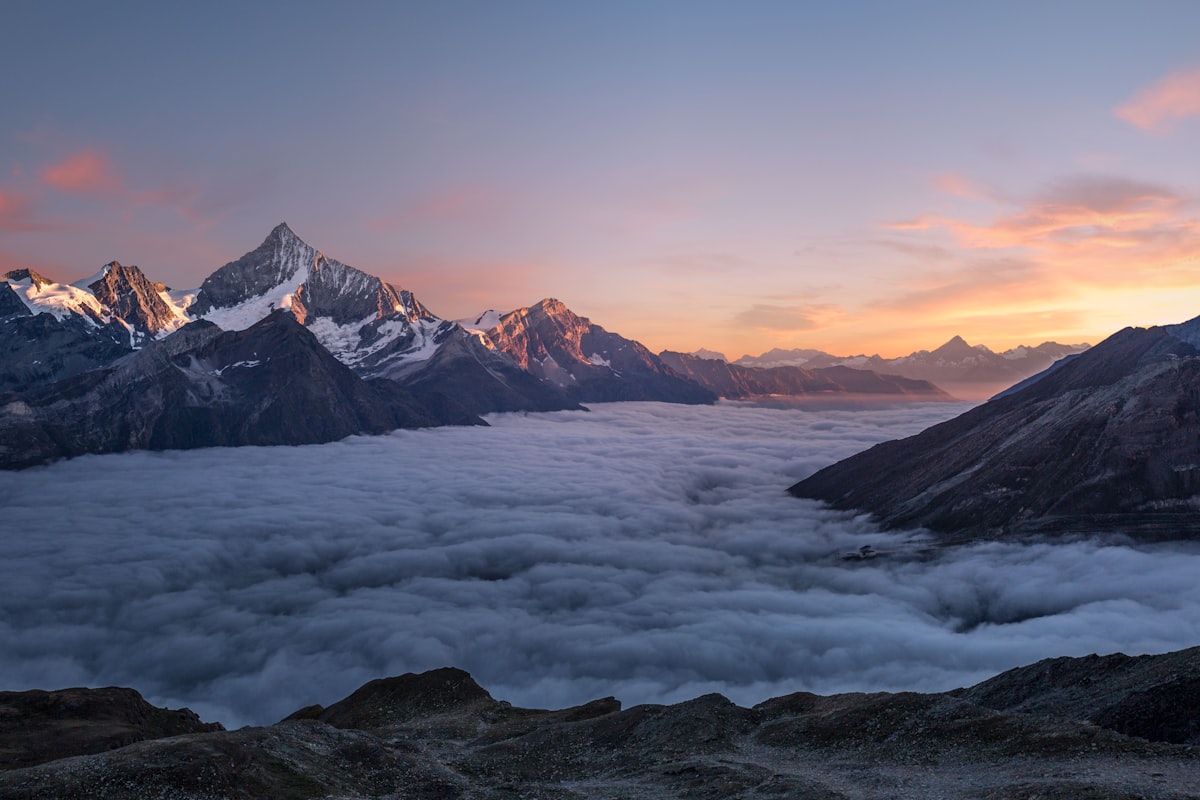
Large parts of Xinjiang sit high: Kashgar (1,280 m, mild), Tashkurgan (3,100 m), Karakul (3,600 m), Khunjerab (4,700 m). The plateau trips are where altitude bites. Ascend gradually, hydrate, skip alcohol the first night, and know the symptoms (headache, nausea, breathlessness). Severe cases are rare but real — descend if they worsen. Travel insurance that covers evacuation is wise for the Pamir.
Sun, Dry Air, and Food
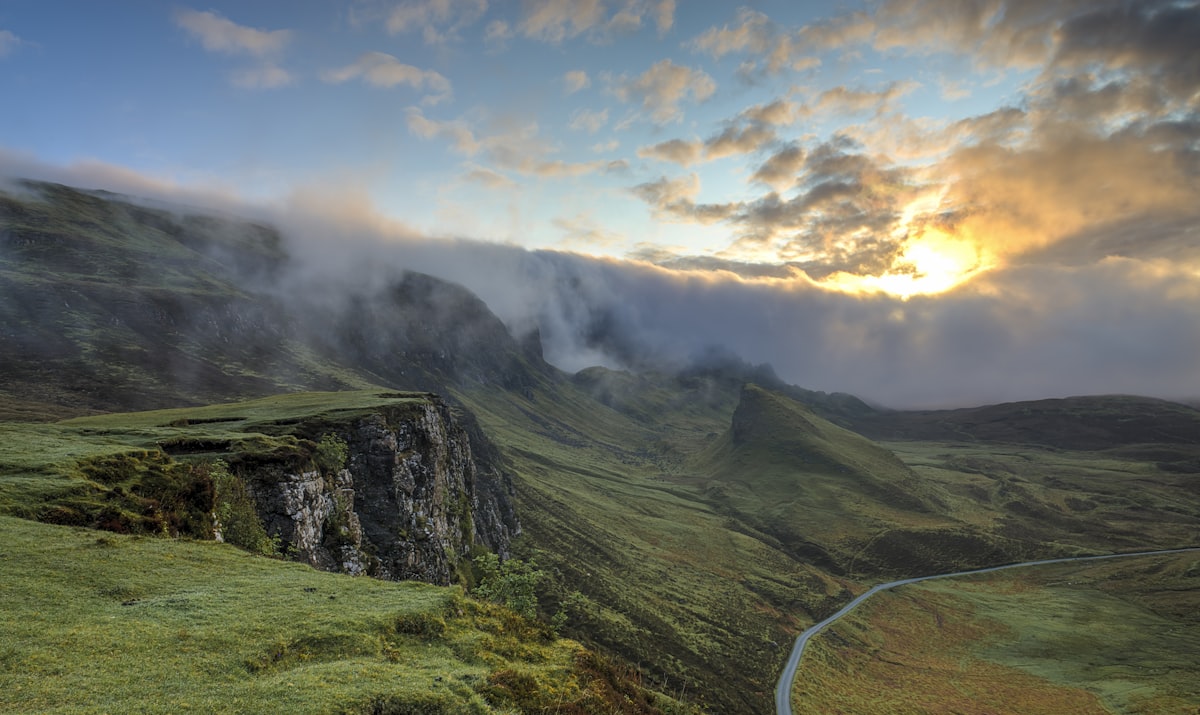
The UV at altitude and in the basins is brutal — sunburn happens fast, and the dry air cracks lips and skin within days. Sunscreen, a hat, lip balm, and moisturizer are non-negotiable. The food is rich and oily; most ‘stomach’ issues are overload, not contamination. Pace the lamb, drink tea between rounds, and wash fruit. Tap water isn’t for drinking — bottle or boiled.
Medical Care
Every city has good hospitals (look for ‘人民医院’ or international-standard clinics in Urumqi). Pharmacies are common in towns; carry any prescription you need, plus rehydration salts and ibuprofen. English is limited outside Urumqi, so have your hotel or a translation app help at a clinic. For serious issues, Urumqi is the referral center.
Staying connected, and why cash still matters
Keep cash anyway. The eSIM is easy now and it works the moment you land. The petrol station, the small hotel, the family kitchen with five tables and the driver who takes you back after hours are all cash, and one declined payment in the middle of nowhere is the problem that logistics cannot fix. Coverage on the main roads is genuinely good and thins out exactly where you would least want it to, which is the side road you took because the map said it went somewhere. If the timing is the question, our [[eid-al-fitr-in-xinjiang-what-travelers-should-know|Eid al-Fitr in Xinjiang: What Travelers…]] goes through it properly.
Who this kind of trip suits
Someone who likes long horizons on the road and does not need a cafe on every corner. Someone with a week, or two, prepared to sleep in two different kinds of bed in four days. It is less good with a fixed number of days, a small budget for a guided solution, and a low tolerance for checkpoints. There is no version of this where you see the whole region in three days, and the guides promising it are lying. Where most people get the logistics wrong is covered in our [[xinjiang-travel-faq-everything-you-need-to-know-before-you-go|Xinjiang Travel FAQ: Everything You Need to…]].
What people get wrong before they come
The second thing is scale. They come expecting desert to be the whole picture, then find the green is what stays with them. Distances here make a small itinerary feel enormous, and the fix is not more days but fewer stops with longer looks at each. The oasis towns, the water running beside the road, the fields at the foot of a glacier: that is Xinjiang, and it is not in the photographs on the back of the bus seat. I wrote the driving side up in our [[xinjiang-photography-permits-what-you-need-to-shoot|Xinjiang Photography Permits: What You Need…]] as well.
What a day actually costs
For two people driving, a day that includes a hotel runs a small fraction of the same day in Western Europe, and the gap opens further once you stop paying restaurants. Food is the smallest of the three if you eat where locals eat and the biggest if you eat where the menu is in English. The shape is simple: the car and the fuel, the rooms, the food. The places where it stops being cheap are the entrance tickets and the guided days. More on the other end of that day is in our [[xinjiang-in-november-the-quiet-shoulder-season-few-travelers-know|Xinjiang in November: The Quiet Shoulder…]].
Everyday Peace of Mind
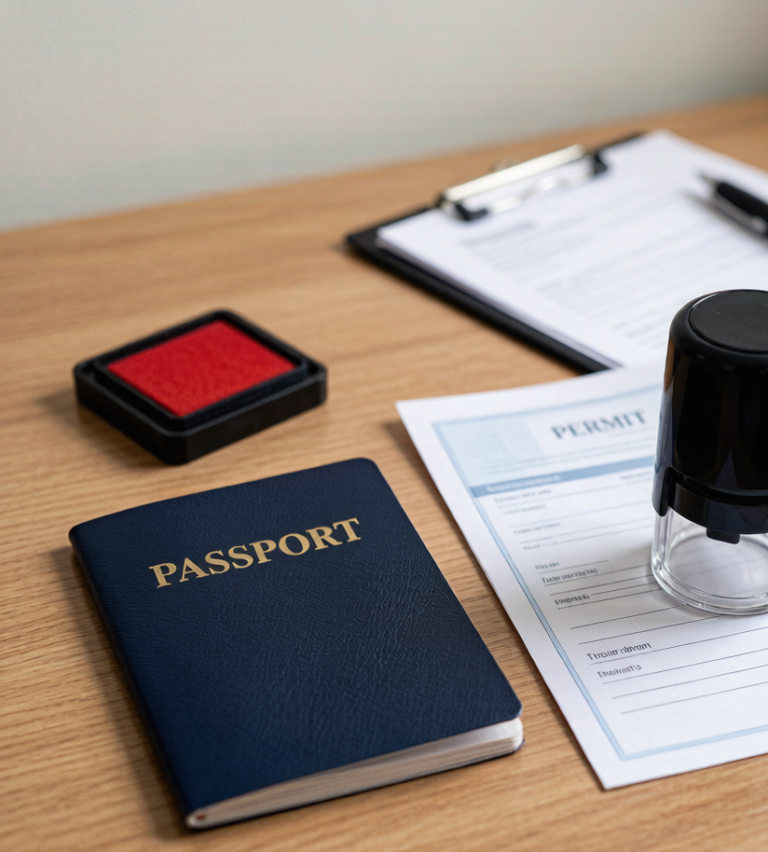
Carry your passport (checkpoints ask). Keep digital and paper copies of documents. Register your stay (hotels do it). The security presence is visible but routine — cooperate, have papers ready, and you’ll move freely. Crime against tourists is rare; the usual travel smarts (watch your bag in crowds) suffice.
Bottom Line
Train for altitude, shield from sun, ease into the food, and carry documents — and Xinjiang is a safe, welcoming place to travel. The region’s risks are manageable and mostly about the landscape, not the people.