Yining & the Ili Valley: Xinjiang’s Green Capital and Its Apricot Blossoms
If Urumqi is Xinjiang’s engine and Kashgar its soul, Yining (Ghulja) is its garden. Set in the far west against the Kazakhstan border, the Ili Valley is the one corner of the region that feels lush — rivers, orchards, and meadows fed by moisture the rest of Xinjiang lost centuries ago. Yining, the valley’s main city, is the easygoing base for all of it: wide tree-lined avenues, a Russian-influenced old quarter, and a night market that many rate the best in the region.
For travelers building a Xinjiang Travel Guide, Yining is the natural hub for the north’s green loop — Nalati, Kuerdening, Sayram, and Guozigou all radiate from here.
What to See in the City
The Night Market (六星街 / Liuxingjie). Yining’s food street is legend: grilled meat, hand-pulled noodles, fermented milk drinks, and the region’s best people-watching. Go hungry, go late.
The Ili River Scenic Belt. A green riverside park where locals walk, dance, and picnic. Low-key but lovely at sunset.
Russian and Mongolian influences. The old quarters show the valley’s layered history — Cossack-built churches long since repurposed, and a mixed Han, Uyghur, Kazakh, Hui, and Xibe population that makes the street life unusually varied.
The Apricot Blossom Window
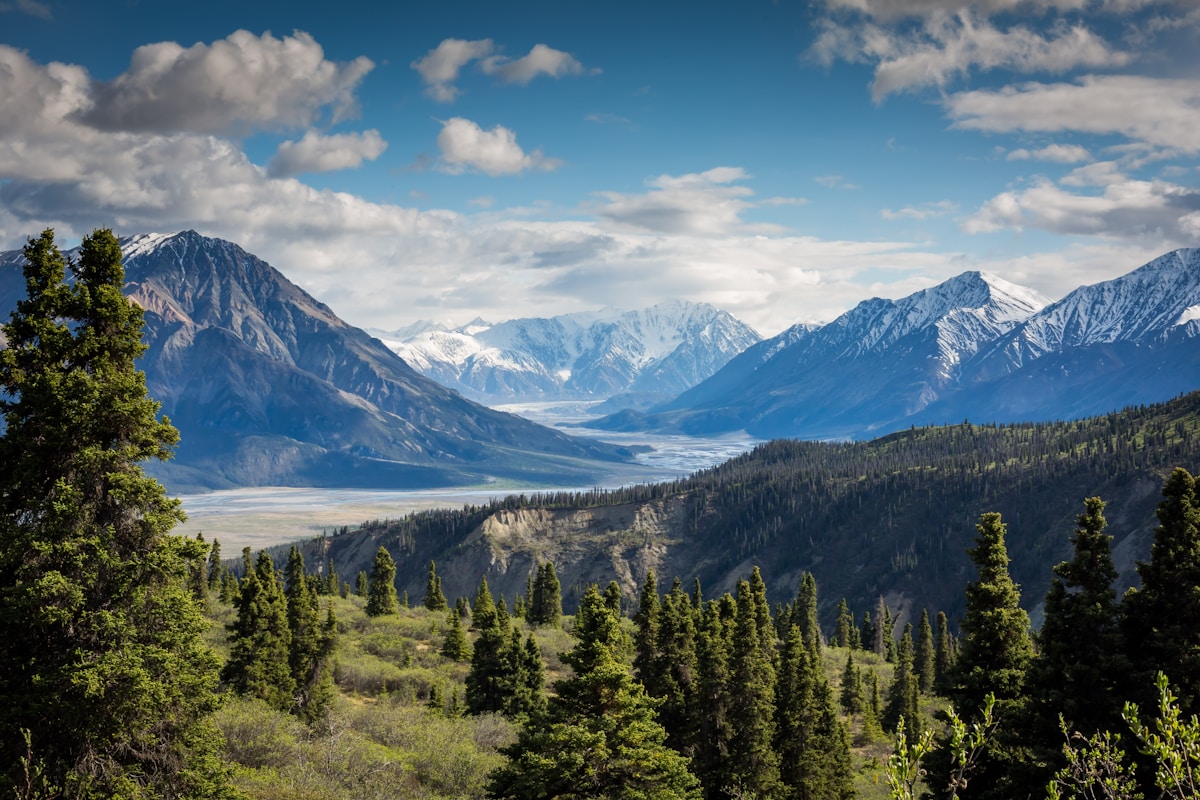
Late March to mid-April, the valley’s wild apricot trees (野杏花) burst into pink along the hillsides around Yining and nearby Tokkuztara (Zhaosu). It’s a short, famous bloom that draws photographers from across China. If you time it, the hills above the farms turn into pink cloud — but the window is tight, often just two weeks, and weather-dependent.
Reaching {P} on buses, taxis and shared rides
The trick is finding the vehicle rather than the timetable. The first time we chartered a car for the round trip and it was worth every yuan. The second a driver on a return leg dropped us at the entrance and waited in the car park, which is the cheap way to do it if you do not mind setting your own clock. In Ili the drivers wait where drivers always wait, in the little offices a few hundred metres off the main terminal, and they will put together a half-day for a price the meter would never quote. Leave two hours of slack on the return.
The last vehicles back leave in the early evening, and after dark on a mountain road the local buses stop running entirely. Yining The Ili Valley sits an hour or two from the nearest town, which sounds close until you work out there is no reliable public bus to the gate. What does exist is an intercity coach leaving the Ili long-distance station early, a taxi share at the stand that costs a few tens of yuan a head if you are patient, and the tour vans that pick up at hotels. We came twice. For the part people underestimate, see our [[yining-ili-valley-xinjiang-travel-guide|Yining and the Ili Valley in Spring: The…]].
Worth pairing with
The stops most people miss are the small ones between the big names. Yining The Ili Valley sits naturally into a longer Ili day. With a car the combination that worked for us was the site in the morning, a long lunch somewhere with shade, and the other place in the late afternoon, so two half-days covered a full one. Ask at the hotel desk the evening before what opened this week, because several of these places shift their hours with the season and the leaflet in the lobby is a year out of date. I wrote the driving side up in our [[yining-city-things-to-do-ili-valley-base|Yining City Guide: Base Camp for the Ili…]] as well.
A few minutes of background change the visit
Knowing what you are standing on turns a pleasant walk into something you actually remember. The place only makes sense once you know its shape. Yining The Ili Valley was cut rather than built, which is why the walls are solid and the streets are the empty space between them, and why centuries of dust ended up acting as a roof. Read that the morning before rather than at the entrance, where the boards stand too far from the object to help. Locals in Ili will give you the short version in about a minute if you ask, and it is usually better than the panel at the gate. The history here is layered in a way the official signage compresses into names and dates. For the part people underestimate, see our [[ili-valley-3-day-itinerary-yining-nalati-kuerdening|Ili Valley 3-Day Itinerary: Yining, Nalati,…]].
The hour I go back for
By ten the coaches are here, and by one it is an hour of people shuffling past. I have come to like the last forty minutes before the gate shuts, when the groups have gone and the staff are sweeping, because that is when you can look up properly instead of squeezing a shoulder past strangers. Whatever the guidebook says about golden hour, go on a weekday. Midday is the hour to avoid, not the hour to schedule. The light is only free of company on a Tuesday.
Everything goes flat, the shade disappears, and the temperature on an open plateau rises in a way that stops you caring about photographs. Go early or go late and the same ground gives you two different subjects. Between the two I would pick the later one, mostly because the early version costs you the rest of the day. Sunrise is the one worth an alarm for. The whole face of Yining The Ili Valley turns a colour that does not exist at any other time, and the site is empty enough that you can stand still and hear nothing.
Where most people get the logistics wrong is covered in our [[ili-valley-scenic-drive-yining-to-nalati-and-kuerdening|Ili Valley Scenic Drive: Yining to Nalati…]].
Using Yining as a Base
Yining has a good airport, hotels from basic to four-star, and is the junction for the Ili loop. From here you can reach Sayram Lake in ~2 hours, Nalati in ~3, and Kuerdening in ~2.5. Rent a car here and the whole green north opens up. Summer is peak (green, festivals); autumn is golden and quiet; spring is for the blossoms; winter is sleepy but cheap.
A Note on the Valley’s Character
The Ili feels different from the rest of Xinjiang — wetter, calmer, more Central Asian in the soft, agricultural way. It’s the place to slow down after the deserts and the high passes. Spend two nights, not one, and let the market and the river do their work.