Xinjiang with Kids: The Complete Family Travel Guide — Itineraries, Tips & Safety
Last updated: July 15, 2026 · Written by Karl Huang, a Xinjiang travel specialist who has spent time across the region. Practical details are cross-checked against official tourism, transport, and border-regulation sources.
Why this is on the route
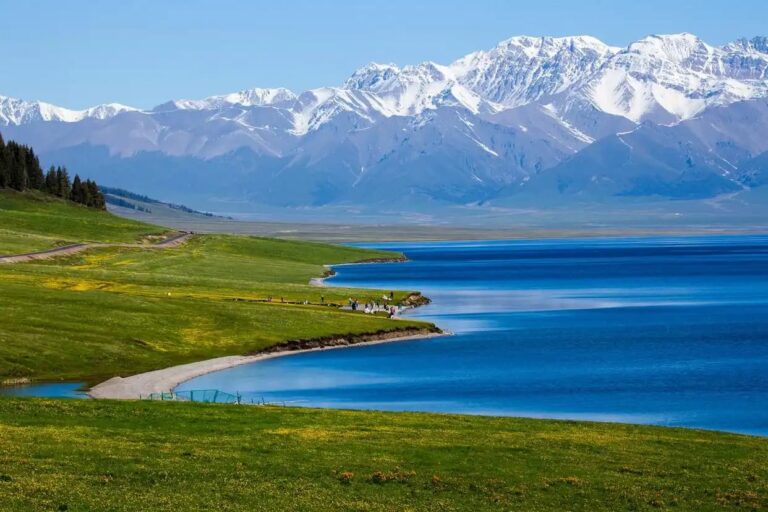
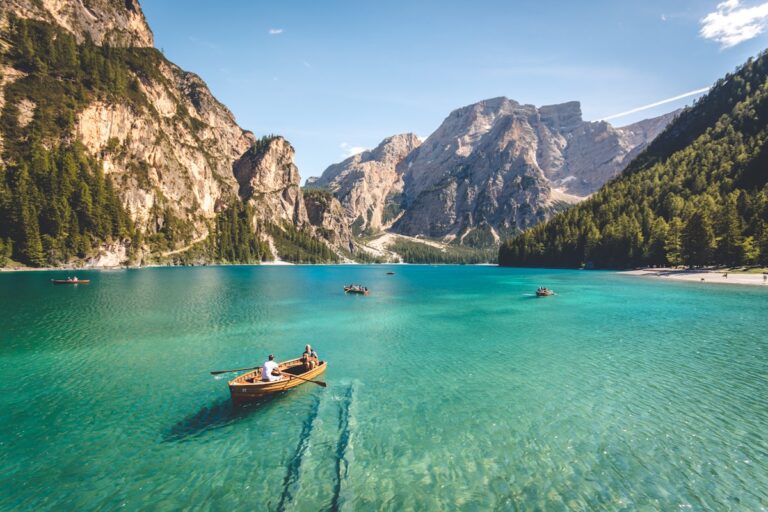
Traveling Xinjiang with children might sound daunting to the uninitiated. The region is vast, the distances are long, and the climate can be extreme. But for families who make the journey, Xinjiang offers something truly special: a chance for children to experience a part of the world that is culturaly rich, visually spectacular, and genuinely different from anywhere they have been before. From the mirror-still surface of Sayram Lake to the fairy-tale cabins of Hemu Village, from the hands-on experience of making naan in a Uyghur home to the thrill of seeing flaming red mountains along the Gobi Desert — Xinjiang can be a transformative family adventure.
This guide is designed for parents who want to do Xinjiang with kids (roughly ages 5–15, though the principles apply broadly). We cover the best routes that balance sightseeing with kid-friendly pacing, practical tips on dealing with long drives, food options for picky eaters, health and safety considerations, and activity ideas that wil keep children engaged rather than bored in the back seat. We also address the common concerns parents have — altitude, food safety, bathroom access, and internet connectivity — with practical, reassuring advice.
With thoughtful planning, Xinjiang can be one of the most rewarding family trips you wil ever take. The key is choosing the right route, building in downtime, and embracing the region’s slower rhythms rather than trying to check every box on a rush-rush itinerary.
Best Routes for Families: Three Proven Itineraries
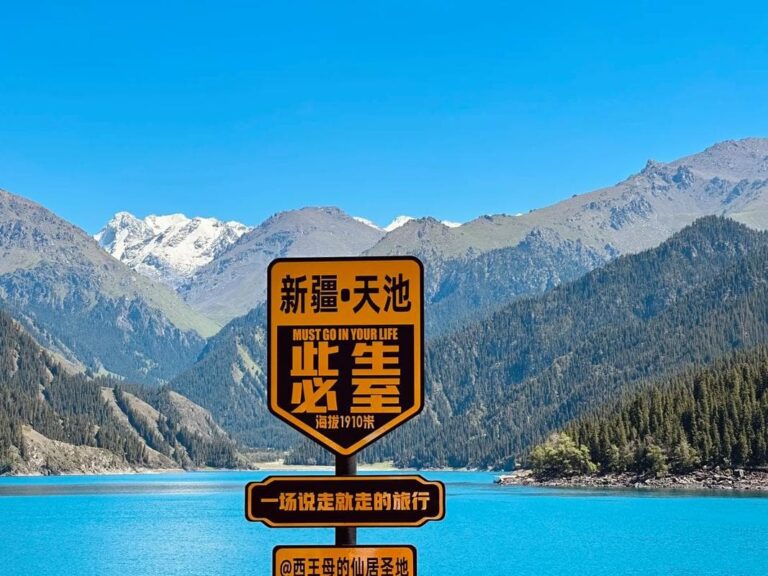
Route 1: Northern Xinjiang Highlights (7–9 days) — This is the most family-friendly option. It focuses on the northern circuit, which has better infrastructure, more comfortable hotels, and scenery that is immediately engaging for kids. A typical route: Urumqi → Heavenly Lake (day trip) → Urumqi (overnight) → Karamay (see the Devil City on the way) → Burqin (overnight) → Kanas Lake (2 nights) → Hemu Village (1 night) → Burqin → Urumqi. The driving segments are manageable (3–5 hours per day), and the destinations have genuine “wow” factor for children — Kanas Lake’s emerald water, Hemu’s birch forests and starry skies, and the surreal wind-eroded formations at Devil City.
Route 2: Sayram Lake & Ili Valley (5–7 days) — This route is perfect if you want to avoid long driving days. Fly into Urumqi and immediately take a short flight or the high-speed train to Yining (Ili). From Yining, you can do day trips to Sayram Lake, Nalati Grassland, and the lavender fields (in June–July). The landscapes are lush and green, the weather is pleasanter than in the south, and the driving distances are short. This route also has more agricultural and pastoral activities — kids can visit a herder’s yurt, try milking a cow or sheep, and run freely in the grasslands.
Route 3: Southern Xinjiang Cultural Journey (8–10 days, for older kids) — For families with older children (10+) who are curious about history and culture, a southern Xinjiang route can be incredible. Kashgar → Karakul Lake (Pamir Plateau) → Tashkurgan → back to Kashgar → Kuqa (Kizil Caves) → Turpan. This route involves more driving and some high-altitude sections (Karakul Lake is at 3,600m), so it requires more careful planning. But the cultural exposure — staying in a yurt, visiting ancient Buddhist caves, walking through a 2,000-year-old city — can be profoundly educational for older children.

What to avoid with kids: The full Taklamakan Desert crossing, the remote sections of the Karakoram Highway (unless your kids are experienced travelers), and winter travel with very young children (heating in remote hotels can be inconsistent). Also, be cautious about over-ambitious pacing — kids need downtime, and so do parents.
Transportation and Pacing: Surviving the Long Drives
Xinjiang’s size is its biggest challenge for family travelers. Even on the most efficient routes, you wil have driving days of 3–5 hours. Here’s how to make that manageable with kids:
Private car with driver: This is the single best investment you can make when traveling Xinjiang with children. A private car allows you to control the pace, make frequent bathroom and snack stops, and carry more gear (strolers, extra clothing, entertainment). Expect to pay ¥600–1,200 per day for a comfortable SUV with driver, depending on the season and route. Make sure the driver speaks at least some English or arrange a bilingual guide who can also act as translator.
Train travel: High-speed rail connects Urumqi to many destinations (Turpan, Korla, Yining). Overnight sleeper trains are also an option for longer distances. Train travel can be fun for kids — they get to walk around, look out the window, and experience something different. The downside is that you are tied to fixed schedules and may stil need local transport at each destination.
Pacing: Don’t try to do too much. With kids, a good rule of thumb is: one major activity per day, plus one low-key activity. For example: morning visit to Heavenly Lake, afternoon rest at the hotel, early dinner. Children (and parents) wil enjoy the trip much more if there is unscheduled time to just wander, play, and absorb the atmosphere rather than rushing from sight to sight.
Entertainment for the road: Long drives are inevitable. Download movies or audiobooks in advance (internet can be spotty in remote areas). Bring travel games, coloring books, or a tablet loaded with offline content. Many kids also enjoy the “spotting game” — looking for camels, counting wind turbines, or trying to identify the different landscape types (desert, mountain, grassland).
” alt=”Family-friendly private car travel in Xinjiang with comfortable SUV for long distance road trips”>
Food and Dietary Needs: What Kids Wil (and Won’t) Eat
Xinjiang cuisine is flavorful and diverse, but it can be challenging for picky eaters. Here’s what to expect and how to navigate it:
Kid-friendly dishes: Naan (flatbread) is almost universally liked by children — it’s mild, filling, and familiar-feeling. Laghman (hand-pulled noodles) can be ordered with a mild sauce or even plain buttered noodles for sensitive palates. Polo (pilaf) is usually mild and slightly sweet from the carrots, making it a good option. Samsa (baked buns) are like small, hand-held pies — kids often enjoy these. And fresh fruit is abundant and of exceptional quality — Xinjiang’s melons, grapes, and apricots are among the best in the world.
Spice levels: Xinjiang food is generally mildly spiced, but some dishes (especialy those with cumin) can be strong for children. Always ask for “no spice” or “mild” when ordering. Most restaurants are happy to accommodate. The yogurt in Xinjiang is tart and often served with honey or jam on the side — a good option for kids who find the plain version too tangy.
Finding familiar food: In larger cities (Urumqi, Kashgar, Yining), you can find Western-style restaurants, fast food, and wel-stocked supermarkets with international products. In remote areas, options are more limited. If your child has strong dietary preferences or allergies, consider bringing some familiar snacks from home or from Urumqi’s large supermarkets (There is a Carrefour-equivalent and several large domestic chains).
Food safety: Stick to busy restaurants with high turnover (the food is fresher). Avoid raw vegetables unless you can peel them yourself. Bottled water is widely available. If your child has a sensitive stomach, pack motion sickness medication (the winding roads to places like Kanas can be challenging) and a basic first-aid kit with anti-diarrhea medication.
Health, Safety, and Altitude: What Parents Need to Know
Altitude: Many of Xinjiang’s most beautiful areas are at elevation. Sayram Lake is at 2,073m; Kanas is at about 1,374m (not usualy a problem); Karakul Lake on the Pamir Plateau is at 3,600m, which can cause altitude sickness even in adults. For young children, altitude sickness is harder to recognize (they may just seem unusualy fussy or lethargic). If you plan to visit high-altitude areas, ascend gradually, keep kids wel-hydrated, and descend immediately if anyone shows symptoms of AMS (headache, nausea, extreme fatigue).
Sun and weather: Xinjiang’s sunlight is intense — the region has some of the highest UV levels in China. Children’s skin burns easily at high altitude and in the desert. Bring high-SPF sunscreen, wide-brimmed hats, and UV-protection sunglasses. The temperature swing between day and night can be 15–20°C, so layering is essential. Even in summer, bring a warm jacket for early mornings and evenings.
Safety and supervision: Xinjiang is generally very safe for tourists, including families. The local people are often extraordinarily welcoming to children. That said, standard travel precautions apply: keep an eye on kids in crowded bazaars, establish a meeting point in case anyone gets separated, and carry a card with your hotel’s name and address in Chinese (so you can show it to a taxi driver if needed).
Medical care: Larger cities have good hospitals. In Urumqi, the Xinjiang Medical University Hospital is a reliable option. In remote areas, medical facilities are basic. If your child has a chronic condition, bring al necessary medications from home (with prescriptions in English and Chinese), and consider traveling with a comprehensive travel insurance policy that includes medical evacuation coverage.
Engaging Kids with Culture: Making It Fun, Not Boring
The biggest risk with cultural travel is that kids wil be bored by “another old city” or “another temple.” Here’s how to make Xinjiang’s cultural sites engaging:
Kashgar Old City: Turn it into a treasure hunt. The Old City’s maze-like alleys are full of surprises — wooden facades with intricate carvings, rooftop views, cats napping on window sils, and occasional music drifting from a teahouse. Give kids a simple camera (or let them use a phone) and ask them to photograph “something blue,” “something old,” “something delicious.” They’l experience the city through a different lens.
Kizil Caves (near Kuqa): The ancient murals can be fascinating for kids if framed correctly. Before the visit, read a children’s book about the Silk Road or show them pictures of the “monkey king” (who has ties to the region’s Buddhist heritage). During the visit, ask the guide to point out the “flying apsaras” (celestial beings) in the murals — kids love spotting them.
Stay in a yurt: If your route includes the grasslands (Nalati, Bayanbulak, or areas near Sayram Lake), consider arranging a night in a traditional yurt. Many herder families welcome guests, and children can help with simple tasks like fetching water, feeding animals, or learning to make naan. These hands-on experiences are often the highlight of the trip for kids.
Markets and bazaars: Let kids pick out a small souvenir (a carved wooden box, a colorful textile, a bag of dried fruit). Bargaining is part of the fun — show them how it works and let them try. The sensory overload of a Xinjiang bazaar — the smels, colors, sounds — is itself an education.
Packing List for Families: Xinjiang-Specific Essentials
In addition to standard travel items, here are Xinjiang-specific things to pack when traveling with kids:
Clothing: Layers are everything. Even in July, bring a fleece or light down jacket for early mornings. Sturdy walking shoes are essential — many sites involve uneven terrain. Sandals that can get wet are useful for stream crossings or wet market floors. Sun hats and UV-protection clothing are highly recommended.
Health and hygiene: Bring a wel-stocked first-aid kit including: motion sickness medication, anti-diarrhea medication, children’s pain reliever, antihistamine, and any prescription medications. Wet wipes and hand sanitizer are essential — restrooms in remote areas may not have soap or running water. Pack toilet paper and hand towels; these are not always provided outside of hotels.
Entertainment and comfort: A favorite stuffed animal or blanket can be a lifesaver on long travel days. A headlamp or small flashlight is useful for power outages (rare but possible in remote areas) and for stargazing (the night skies in Xinjiang are spectacular). A small daypack for each child lets them carry their own water bottle and snacks, giving them a sense of responsibility.
Documentation: Make sure you have al necessary permits for restricted areas (e.g., the border pass for Tashkurgan, if your route includes it). Keep digital and paper copies of passports, visas, and permits. Register with your country’s embassy or consulate if that is recommended for your nationality.
What I would unpack from this
Traveling Xinjiang with kids requires more planning than an adults-only trip, but the rewards are proportionately greater. This is a journey that can broaden your children’s horizons in ways that a classroom never could — introducing them to a different culture, a dramatically different landscape, and a pace of life that is slower and more connected to the natural world. Yes, there wil be long drives and the occasional stubborn moment from a tired child. But there wil also be the look on their face when they first see a snow-capped peak reflected in an alpine lake, or the pride they feel when they successfuly use a few words of Uyghur to thank a shopkeeper. With the right route, the right pacing, and the right mindset, Xinjiang can be an unforgettable family adventure that your kids wil be talking about for years to come.