Yining and the Ili Valley: The ‘Switzerland of Xinjiang’ Most Tourists Miss
A Side of Xinjiang That Most Travelers Never See
I’ll be honest: before I started researching for a three-week Xinjiang trip in 2023, I had no intention of going to Yining. My plan was the standard loop — Urumqi, Turpan, Kuqa, Kashgar, and maybe Tashkurgan if time allowed. Yining (also called Ghulja, or 伊宁 in Chinese) sat in the far west, in the Ili Kazakh Autonomous Prefecture, and it looked like a detour that would add too many travel days to an already ambitious itinerary.
I’m glad I ignored my own plan. A friend who had spent a summer in Xinjiang told me, “If you want to understand why people call this place ‘the Switzerland of Xinjiang,’ you have to go to the Ili Valley.” So I added three days to my itinerary, booked a flight from Urumqi to Yining, and it ended up being one of the best travel decisions I made that year.
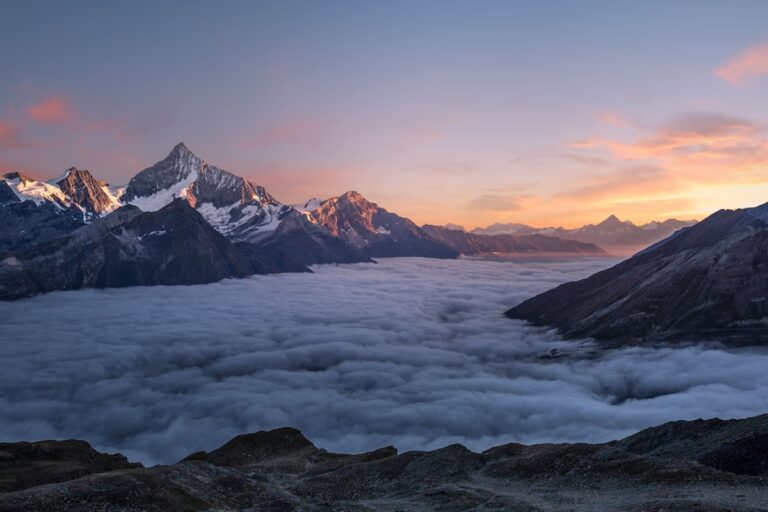
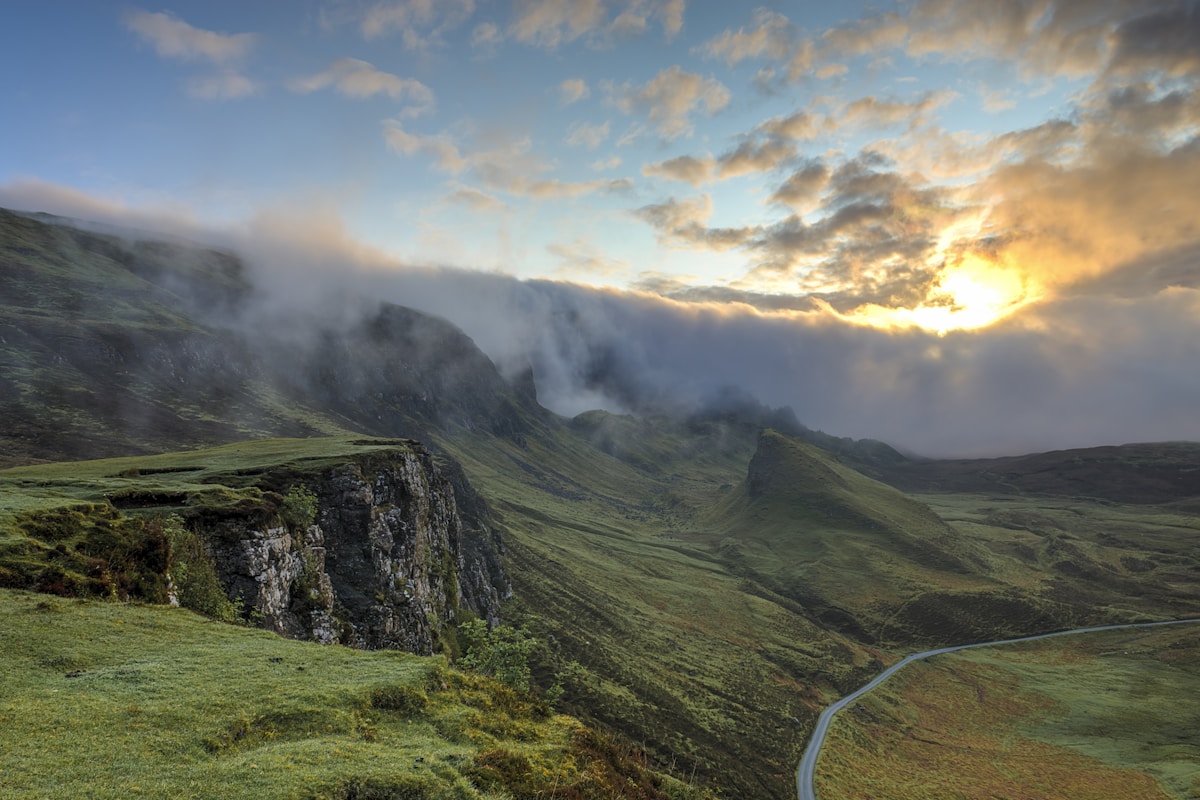
The Ili Valley (Ili He Gu) doesn’t look like the Xinjiang that most travelers expect. There are no vast deserts here, no scorching heat, no endless stretches of barren rock. Instead, you get rolling grasslands, snow-capped mountains, pine forests, and a wide, slow-moving river that gives the region its name. In late May, when I visited, the hills were carpeted with wildflowers, and the whole valley smelled like grass and distant rain.
{IMG1}
Why “The Switzerland of Xinjiang”?
The nickname is a bit of a cliché — plenty of places around the world get called “the Switzerland of [somewhere],” and it’s usually a lazy comparison. But in this case, there’s a genuine geographic logic to it. The Ili Valley sits at a similar latitude to the European Alps, and the combination of mountain scenery, alpine meadows, and (in some areas) coniferous forests creates a landscape that really does remind you of Switzerland or Austria.
The key difference, of course, is the culture. This isn’t a neat Alpine village with a church steeple. It’s a borderland where Kazakh, Han Chinese, Uyghur, Hui, and several smaller ethnic groups coexist. The yurts (actually called ail in Kazakh, though most travelers just say “yurt”) dotting the hillsides are Kazakh, not Swiss. The food in Yining’s markets is Central Asian — laghman noodles, samsa (meat pastries), and kumis (fermented mare’s milk) — not Alpine cheese and chocolate.
So yes, the “Switzerland” label captures the scenery, but it doesn’t capture the culture, which is the more interesting part of the story.
Yining City: Russian Architecture and Silk Road Markets
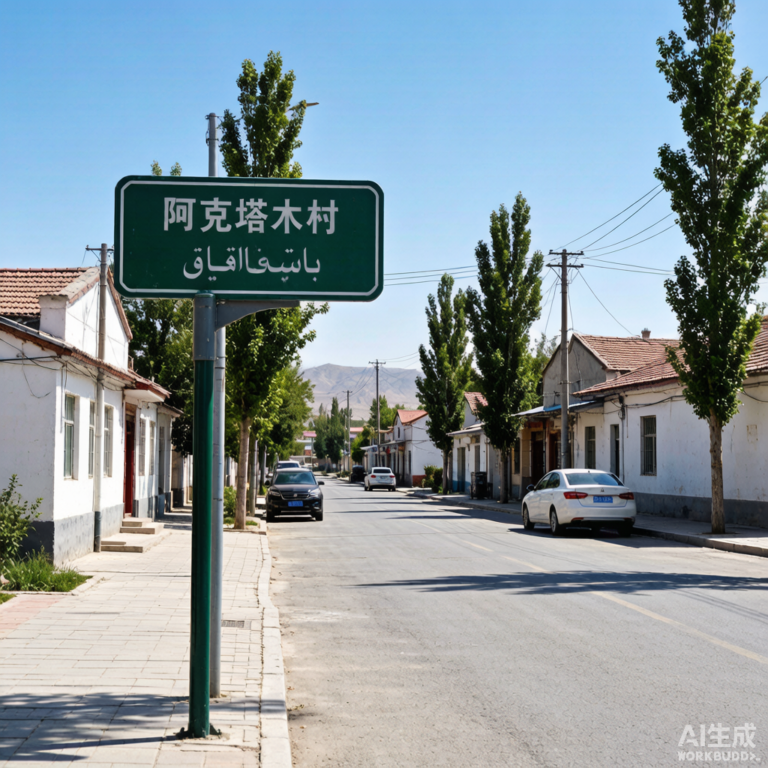
Yining city (population around 600,000) is the administrative capital of the Ili Kazakh Autonomous Prefecture. It’s not a major tourist destination in its own right — most travelers use it as a base for exploring the wider Ili Valley — but it’s worth spending at least half a day walking around.
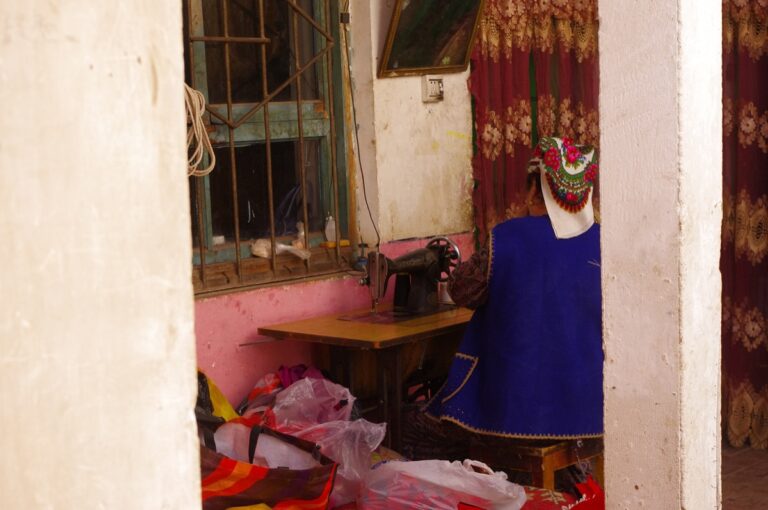
The city has an unusual architectural feature that caught me off guard: Russian-style buildings. In the late 19th and early 20th centuries, this area was influenced by Russian and Soviet culture (the border with Kazakhstan/Russia is not far away), and that influence shows in certain older buildings in the city center. The Russian Consulate-era buildings on a few downtown streets have a distinct Central European look — ornate woodwork, pitched roofs, and facades that wouldn’t look out of place in a Siberian town.
The Yining Grand Bazaar is the other must-see in the city. It’s smaller and less famous than the bazaars in Kashgar or Urumqi, but it’s more laid-back and feels less tourist-oriented. I spent two hours there on a Tuesday morning, wandering through sections selling spices, dried fruits, embroidered textiles, and leather goods. The dried fruit section is exceptional — the Ili Valley produces some of the best apricots, apples, and walnuts in Xinjiang, and the prices at the bazaar are a fraction of what you’d pay in Urumqi or Beijing.
If you’re in Yining on a weekend, try to catch the livestock market (usually on Sundays, on the outskirts of the city). It’s not as famous as the one in Kashgar, but it’s larger and, in my experience, more “working” — you’ll see actual ranchers and farmers buying and selling sheep, cattle, and horses, not just tourists with cameras.

The Ili Valley: What to See and Do
The real reason to come to this region is the valley itself and the attractions within an hour or two of Yining. Here are the highlights:
Sayram Lake (Sayram Hu)
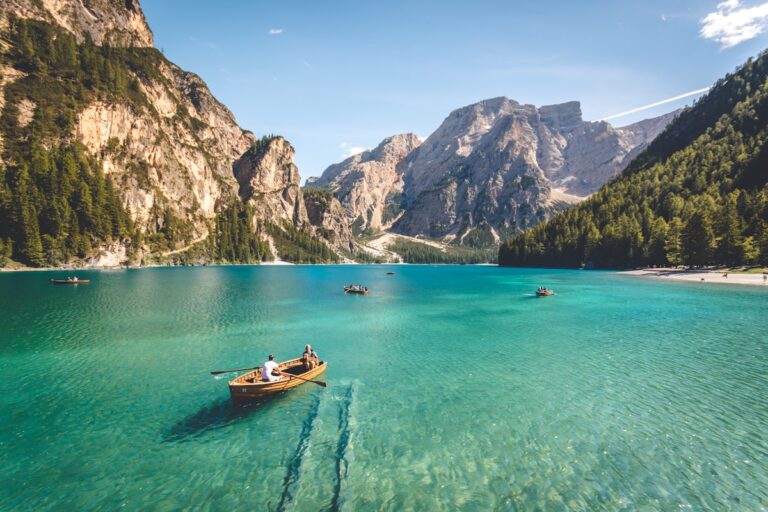
This was the single most beautiful place I visited in Xinjiang. Sayram Lake sits at 2,073 meters (6,800 feet) above sea level, surrounded by snow-capped mountains on all sides. The water is an intense turquoise-blue that looks almost artificially enhanced (it’s not — it’s the combination of glacial minerals and the angle of the light).
There’s a ring road around the lake (about 90 kilometers / 56 miles) that you can drive or, if you’re ambitious, cycle. I drove it in late May, and there were still patches of snow on the surrounding peaks. The lakeside areas have carpets of wildflowers in May and June — purple, yellow, and white flowers that seem to go right up to the water’s edge.
Entrance fee: 70 RMB (as of 2024). You can stay overnight in yurts or a lakeside hotel if you want to catch sunrise and sunset, which are both spectacular here.
Guozigou Bridge (Fruit Gully Bridge)
On the way from Yining to Sayram Lake, you’ll cross the Guozigou (Fruit Gully) valley on a dramatic cable-stayed bridge that soars 200 meters above the valley floor. It’s one of the most photographed engineering structures in Xinjiang. There are several scenic pull-offs on the approach to the bridge where you can stop and take photos of the bridge with the mountain backdrop.
The “Fruit Gully” name comes from the wild fruit trees (apples, apricots) that grow in the valley. In spring (April-May), the whole gully is in bloom, and the drive across the bridge is genuinely stunning.
Lavender Fields in Huocheng County
If you’re in the Ili Valley in June, you’re in for a treat. Huocheng County, about 40 kilometers west of Yining, is one of China’s major lavender-growing regions. The fields are at their peak from mid-June to early July, and the sight of rolling purple lavender fields with snow-capped mountains in the background is unforgettable.
There are several lavender farms that allow visitors (some charge a small entry fee, some are free if you buy lavender products from their shop). The best photos are in the early morning or late afternoon, when the light is soft. Midday sun can make the purple look washed out.
A note on etiquette: these are working farms, not just tourist attractions. Stay on the designated paths, don’t pick the flowers, and ask before taking photos of farm workers.
Kazakh Yurt Stays
Several areas around the Ili Valley offer the chance to stay in a traditional Kazakh yurt. This is not “glamping” in the commercial sense — you’re staying with a Kazakh family, sleeping on mats on the ground, eating home-cooked food, and (if you’re lucky) getting invited to help milk the cows or herd the sheep.
I did a one-night stay in a yurt near Nalati Grasslands in June 2023. The family spoke almost no Mandarin and I spoke no Kazakh, but we managed to communicate through gestures and Google Translate. The highlight was the evening meal — fresh noodles with mutton, homemade yogurt, and naan bread baked over an open fire. Waking up in a yurt at 6:00 AM to the sound of cows lowing and the sight of mist rising off the grasslands is a core memory from that trip.
To arrange a yurt stay, you can book through a travel agency in Yining, or just show up at the Nalati Grasslands area and ask around (though the latter approach requires some Mandarin skills and a sense of adventure).

How to Get to Yining from Urumqi
Yining is about 700 kilometers (435 miles) from Urumqi, which is too far for a day trip but very doable as a 2-4 day detour.
By Air (Recommended)
The easiest option. Flights from Urumqi to Yining (YIN) take about 1 hour and 20 minutes and cost 400-900 RMB one way depending on the season and how far in advance you book. There are multiple flights per day on major carriers (China Southern, Tianjin Airlines, etc.).
From Yining airport to the city center is a 20-minute taxi ride (about 30-40 RMB).
By Train
There’s a railway connection between Urumqi and Yining, but it takes 10-12 hours, so it’s an overnight journey. The “soft sleeper” (first-class sleeper) cars are comfortable enough, but the time commitment makes flying a better choice for most travelers.
By Road (Road Trip)
If you’re doing a self-drive or private car trip around Xinjiang, the drive from Urumqi to Yining is spectacular. You’ll go over the Tian Shan mountains on the G30 highway, with switchbacks, mountain passes, and views that rival anything in Switzerland or Colorado. The drive takes about 8-9 hours with stops, so it’s a full day. I did this segment in reverse (Yining to Urumqi) and stopped twice for photos — once at a mountain pass with a view of a glacier, and once at a roadside stand selling wild apricots.
When to Visit the Ili Valley
The Ili Valley has a short but intense summer, and the best time to visit depends on what you want to see:
May to mid-June: Wildflowers, pleasant temperatures (15-25°C / 59-77°F), and fewer tourists. This is my favorite time to visit.
Mid-June to early July: Lavender season. If the purple fields are your priority, time your visit for this window. The exact timing varies slightly by year depending on the weather, so check with local sources before you go.
July to August: Warmest months, lush green grasslands, but also peak domestic tourism season in China. Expect more crowds at Sayram Lake and Nalati Grasslands.
September to October: Autumn colors in the forests, cooler temperatures, and the harvest season for local fruits and nuts. Another excellent time to visit.
November to April: Cold and snowy. The scenery is beautiful in a stark, winter way, but some roads and attractions close for the season, and yurt stays are not available (the Kazakh families move to winter pastures).
Where to Stay in Yining
Yining has a range of accommodation, from budget hostels to mid-range business hotels. Here’s what I’d recommend:
Budget: There are a few hostels and guesthouses near the city center that cater to backpackers. Prices are around 60-100 RMB per night for a dorm bed.
Mid-range: Several Chinese chain hotels (Home Inn, HanTing, etc.) have locations in Yining. Expect to pay 200-350 RMB per night for a clean, comfortable room with Wi-Fi and A/C.
High-end: There’s a CITIC Hotel and a few upscale options near Sayram Lake (lakeside resorts), but in Yining city itself, the high-end options are limited. If you want luxury, your best bet is to stay in a high-end yurt camp or a lakeside resort rather than a city hotel.
Food in Yining: What to Try
The food scene in Yining is a highlight of the visit. Because of the region’s ethnic diversity and agricultural richness, you get a blend of cuisines that you won’t find elsewhere in Xinjiang.
Ili apples: The Ili Valley is famous for its apples (the city’s Uyghur name, “Ghulja,” is sometimes associated with apple cultivation). They’re crisp, sweet, and cheap at local markets.
Kazakh dairy: Try kumis (fermented mare’s milk, an acquired taste — it’s fizzy and slightly alcoholic), shubat (fermented camel milk), and fresh cream served with bread and jam.
Laghman and hand-pulled noodles: The noodle dishes in Yining have a slightly different flavor profile from those in Urumqi or Kashgar — more herbs, sometimes a tangier sauce.
Baked goods: The Russian and Central Asian influence shows in the bread and pastry culture. Look for samsa (meat-filled pastries), börek (similar to samsa but with a different dough), and plov (pilaf with rice, carrots, and lamb).
One evening in Yining, I ate at a small laghman shop recommended by my guesthouse owner. It was a hole-in-the-wall place with four tables, no English menu, and a chef who didn’t speak a word of English. I pointed at what the table next to me was eating, nodded enthusiastically, and ended up with the best bowl of noodles I had in my entire three weeks in Xinjiang. Sometimes the best meals are the ones you can’t even order.
FAQ: Yining and the Ili Valley
Q: How many days should I spend in the Ili Valley?
A: I’d recommend at least 3 days. Day 1: Yining city and the bazaar. Day 2: Sayram Lake and Guozigou Bridge. Day 3: Lavender fields (if in season) or Nalati Grasslands and a yurt stay. If you have 4-5 days, you can explore more of the valley at a relaxed pace.
Q: Do I need a special permit to visit Yining?
A: No, the Ili Valley is open to foreign travelers without any special permits. Your standard Chinese visa is sufficient. Note that this is different from the Tibet Autonomous Region or certain border areas in western Xinjiang near Kashgar — Yining is straightforward to visit.
Q: Is the Ili Valley safe for foreign travelers?
A: Yes. Like everywhere in Xinjiang, there are security checks at transportation hubs and some hotels, but the Ili Valley is a popular domestic tourism destination and is safe and welcoming to visitors. As always, carry your passport, follow local laws, and be respectful of local customs.
Q: What should I pack for a trip to the Ili Valley?
A: Layers. The region has a continental climate with significant temperature swings between day and night. In summer, bring light clothing for the day (20-30°C / 68-86°F) and a jacket for the evening (it can drop to 10°C / 50°F). If you’re visiting Sayram Lake (at 2,073m), bring warm clothing regardless of the season — it’s cold up there even in July.
Q: Can I visit the Ili Valley as a day trip from Urumqi?
A: No, that’s not practical. The distance is 700 kilometers (435 miles), and there’s too much to see to rush it. Fly from Urumqi to Yining (1 hour 20 minutes) and spend at least 2-3 days in the region. It’s worth the detour.