Where to Eat in Urumqi: 10 Local Restaurants You Must Try
Why Urumqi Deserves a Dedicated Food Trip
Most foreign travelers treat Urumqi as a transit hub—land at Diwopu Airport, spend one night, and flee to Kashgar or Kanas the next morning. This is a mistake. Urumqi (乌鲁木齐) is the culinary capital of Xinjiang, where the Silk Road’s land and sea routes converged for 2,000 years, and where you’ll find the most diverse, concentrated, and high-quality Uyghur and Hui Muslim food in the region.
Last updated: July 15, 2026 · Written by Karl Huang, a Xinjiang travel specialist who has spent time across the region. Practical details are cross-checked against official tourism, transport, and border-regulation sources.
The city has 4 million people, over 50 ethnic groups, and a restaurant density that rivals Chengdu. What makes it special isn’t just the food—it’s the provenance. The dapanji (big plate chicken) you eat in Urumqi was invented here in the 1980s. The laghman noodles are pulled by chefs whose families have been making them for generations. The chuanr (lamb skewers) are grilled over local desert mulberry wood that gives them a subtly sweet smoke.
If you only do one food experience in Xinjiang, make it Urumqi. Here’s where to go.
1. Alimu Restaurant (阿力木美食)
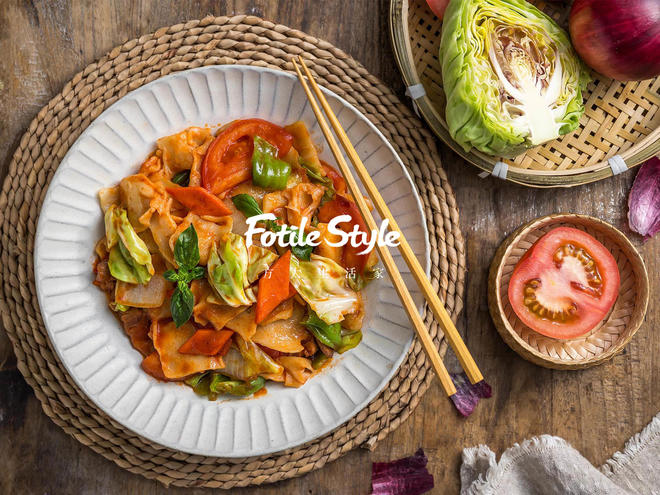
What to order: Dapanji (big plate chicken), laghman noodles, and chuanr (lamb skewers).
Alimu is the most famous Uyghur restaurant in Urumqi for a reason—it’s where the locals take their out-of-town guests. The dapanji here is the gold standard: chicken pieces simmered in a cumin-scented tomato and pepper sauce, served on a platter with wide, hand-pulled noodles that have absorbed the gravy. It’s rich, warming, and designed for sharing.
The restaurant has two locations: the original on Xinhua South Road (closer to the city center, more atmospheric) and a larger branch in the south. Both get busy after 8:00 PM (Urumqi dining time). Come early or expect a wait.
Price: ¥80–120 per person for a full meal with shared dishes and tea.
Address (in Chinese for taxi driver): 乌鲁木齐市新华南路 阿力木美食
2. Xingfucun (幸福村大盘鸡)
What to order: Dapanji (big plate chicken), qiezi chaofan (eggplant fried rice), and cold cucumber salad.
If Alimu is the famous one, Xingfucun is the local favorite. The dapanji here is slightly different—the sauce has more garlic and less tomato, and the noodles are even wider (some are almost handkerchief-sized). The restaurant is unpretentious: formica tables, loud Uyghur pop on the TV, and a kitchen where you can watch the chef pull noodles by hand through a storefront window.
This is where you’ll have your best Urumqi food experience. Order the dapanji for 2 people (¥88), add a side of laghman noodles (¥10), and eat family-style.
Price: ¥60–90 per person.
Note: No English menu. Point at what other tables are eating, or use translation app.
3. Erdaoqiao Meat Market & Night Food Street (二道桥夜市)
What to order: Chuanr (lamb skewers), samas (baked meat pastry), pomegranate juice, and roasted lamb liver.
Erdaoqiao is the spiritual heart of Urumqi’s Uyghur community and the best place to experience the night food culture. The “meat market” by day transforms into a sizzling night market after 8:00 PM, with 30+ stalls grilling lamb over charcoal, squeezing fresh pomegranate juice, and baking samas (a triangular pastry filled with minced lamb, onions, and cumin).
The chuanr here are the best in the city—skewered on flat metal swords (not round sticks), seasoned with cumin, chili, and salt, and grilled over desert mulberry wood. Order 10 skewers (¥3–5 each), a round of samsas (¥8–12 each), and a large cup of fresh pomegranate juice (¥15).
Etiquette: Chuanr are served without plates—you eat them standing up or perched on a stool. It’s loud, smoky, and exactly what a Silk Road night market should feel like.
Price: ¥40–70 per person for a full night market meal.
4. Hui Muslim Noodle Shops (Hui Min Noodle, 回民面馆)
What to order: Beef lamian noodles, zhajiang noodles (fried sauce noodles), and wonton soup.
Urumqi has a large Hui Muslim (ethnic Chinese Muslim) population, and their noodle shops are a category of their own. Unlike Uyghur laghman (which is hand-pulled and chewy), Hui lamian is thinner, springier, and served in a clear beef broth with sliced beef and bok choy.
Look for small shops with a front window where you can watch the chef pulling noodles (it’s a performance—the dough is stretched, folded, and stretched again until it’s 2mm thick and 1 meter long). A bowl of beef lamian is ¥18–25 and will keep you full for 6 hours.
Where to find: Any residential neighborhood in Urumqi has 2–3 Hui noodle shops. The cluster around Renmin Road (near the Hilton) has several excellent options within a 500m walk.
5. Yili Milk Tea & Nang Bakery (伊犁奶茶 & 馕)
What to order: Milk tea (nai cha), nang (flatbread), and walnut pastry.
This isn’t a restaurant—it’s a breakfast and tea culture experience. Xinjiang milk tea is nothing like Hong Kong or Taiwanese milk tea. It’s loose-leaf black tea (usually from Iili) steeped with whole milk and a pinch of salt, served in a bowl or small cup. It’s savory, warming, and traditionally drunk with nang (a round, flatbread baked in a tandur oven).
The best milk tea spots are small Hui or Uyghur tea houses tucked into residential neighborhoods. Look for a row of men sitting on low stools, sipping from bowls, and breaking off pieces of nang. Join them. A pot of milk tea + 2 nang costs ¥15–20 and is the most authentic breakfast experience in the city.
Where to find: The Old Town area near Erdaoqiao has several traditional tea houses. Ask your hotel to point you to the nearest one.
6. Uyghur Polo (Hand-Pulled Noodles) at the Grand Bazaar Food Court
What to order: Laghman noodles (Uyghur-style hand-pulled noodles with meat and vegetable stir-fry), manta (steamed dumplings), and dogh (savory yogurt drink).
The International Grand Bazaar (国际大巴扎) has a food court on its upper floor that’s touristy but surprisingly good. The laghman noodles here are made to order—you pick your protein (lamb, beef, or chicken), watch the chef pull the noodles, and get a plate of chewy, alkaline noodles stir-fried with peppers, onions, and tomato.
The manta (steamed dumplings filled with lamb and onion) are also excellent—dipped in a vinegar-chili sauce, they’re a perfect lunch for ¥25–35.
Price: ¥50–80 per person for a full meal.
Tip: The food court is on the 2nd floor, accessed via a separate entrance from the main bazaar shopping area.
7. Roast Whole Lamb (Kao Quanyang, 烤全羊)
What to order: Half or quarter roast lamb, nang bread, and onion salad.
If you’re traveling with a group of 4+, this is the splurge meal. A whole roast lamb (¥800–1,200 depending on size) is marinated in cumin, red pepper, and garlic, then slow-roasted over charcoal for 4–6 hours until the meat falls off the bone. It’s served on a large platter, carved tableside, and eaten with your hands (nang bread as the utensil).
Many Uyghur restaurants can arrange this with 4–6 hours notice. Alimu Restaurant (mentioned above) does an excellent version. For a more upscale experience, Urumqi Hotel (the old-state-run one) has a Uyghur banquet hall that serves roast lamb with cultural performances.
Price: ¥200–300 per person for a roast lamb feast (split by group).
8. Vegetarian Options (Yes, They Exist)
Xinjiang isn’t known for vegetarian food, but Urumqi has options if you don’t eat meat:
- Laghman with vegetables: Ask for “qingzhen laghman” (vegetable laghman) at any Uyghur restaurant. It’ll have the same noodles but with a tomato-pepper-onion stir-fry instead of meat.
- Nang bread with dips: Nang + yogurt + honey + walnuts = a filling, protein-rich vegetarian meal. Available at any tea house or bakery.
- Hui Buddhist vegetarian restaurants: Urumqi has a small but active Han Chinese Buddhist community with vegetarian restaurants. Search for “素食” (vegetarian) on Baidu Maps or ask your hotel.
- Uyghur pumpkin manta: Steamed dumplings filled with mashed pumpkin and onion. Sweet, savory, and completely vegetarian. Ask for “nan gua manta” at the Grand Bazaar food court.
9. Dessert & Tea: What to Save Room For
Must-try sweets:
- Baledek (pomegranate): Fresh, sweet, and seedless. In season (September–October), Urumqi’s pomegranates are the best in China. Buy a bag of arils (¥15–20) and eat them with yogurt.
- Walnuts with honey: A Xinjiang specialty. Whole walnuts (from the Ili Valley) drizzled with local honey. Available at any dried fruit shop in the Grand Bazaar.
- Uyghur ice cream (maroj): A custard-like ice cream flavored with saffron, cardamom, and pistachio. Sold at street carts in the Old Town. ¥5–8 per cone.
- Nang with rose jam: Nang bread split open and spread with rose petal jam (from Iili’s lavender fields). A breakfast revolation.
Tea: After a heavy meal, order Ili black tea (loose-leaf, served in a small pot). It’s lower in caffeine than coffee and aids digestion. Many restaurants will bring you a pot unprompted if you look like you need it.
10. Practical Tips for Dining in Urumqi
Language: Most restaurant staff speak Uyghur or Chinese, not English. Download a translation app (Google Translate works offline, or use WeChat’s built-in translate). Pointing at what other tables are eating is also effective.
Payment: Cash is king at small shops and night markets. Bring ¥200–300 in small bills (¥10, ¥20, ¥50). Larger restaurants accept WeChat Pay and Alipay, but these require a Chinese bank card.
Timing: Urumqi eats late. Lunch starts at 1:00 PM, dinner starts at 8:00 PM. Arriving at a restaurant at 6:00 PM means you’ll have the place to yourself (not necessarily a good thing—it means the food has been sitting).
Halal: All Uyghur and Hui restaurants are halal (no pork, no alcohol). If you see a blue crescent moon sign, it’s halal. Respect the custom—don’t bring pork or alcohol into these restaurants.
Spice level: Xinjiang food is spiced, not spicy. Cumin, black pepper, and paprika are the dominant flavors. If you want chili heat, ask for “la” (辣)—they’ll add dried chili flakes.
A 1-Day Urumqi Food Itinerary
If you only have one day, here’s how to eat your way through the city:
- 8:00 AM: Hui noodle shop for beef lamian breakfast (¥20)
- 10:00 AM: Milk tea house for nai cha and nang (¥15)
- 1:00 PM: Xingfucun for dapanji lunch (¥80)
- 4:00 PM: Grand Bazaar for laghman snack and manta (¥40)
- 8:00 PM: Erdaoqiao night market for chuanr and samsas (¥60)
- 10:00 PM: Uyghur ice cream from a street cart (¥8)
Total cost: ¥223 per person for a full day of eating.
To keep it simple
Urumqi’s food scene is the most accessible entry point into Xinjiang’s culinary culture. You don’t need to speak the language, you don’t need a guide, and you don’t need to venture into remote areas to taste what makes this region special. The city’s restaurants have been feeding Silk Road travelers for centuries—they know how to make a stranger feel fed and welcome.
Come hungry, leave with a food coma, and don’t skip the milk tea. It’s the fuel that powers every Urumqi本地人’s day, and it’ll power yours too.
For more food-focused travel ideas, read our Xinjiang Food Markets guide before you hit the road.
Small questions, honest answers
How many days do I need for Xinjiang?
For a first visit, plan 10-14 days to cover both northern and southern highlights. A minimum of 7 days allows you to see either North Xinjiang (Urumqi-Kanas-Hemu) OR South Xinjiang (Urumqi-Turpan-Kashgar).
Is it safe to travel independently in Xinjiang?
Xinjiang is very safe for independent travelers. There’s a strong security presence, accommodations are plentiful, and public transportation connects major destinations. Solo female travelers report feeling comfortable.
What’s the best way to get around Xinjiang?
For flexibility: hire a driver with a car (300-500 RMB/day). For budget travelers: long-distance buses connect major towns. Trains run between Urumqi-Kashgar and Urumqi-Altay. Flights save time on longer routes.
To make the most of your culinary journey through Xinjiang, browse our full collection of travel guides and itineraries that pair great food with unforgettable destinations.