Xinjiang in Summer: Beating the Heat on the Silk Road
When most of China swelters under 35°C+ heat in July and August, Xinjiang remains a secret sanctuary of cool breezes, snow-capped peaks, and alpine lakes that stay refreshing even at noon. Summer is not just a season here — it’s the grand opening of the Silk Road’s most spectacular scenery, where grasslands explode into wildflower bloom, glaciers reflect into jade-colored lakes, and night markets serve chilled melons that taste like sunshine. This guide will show you how to beat the heat while experiencing the best of Xinjiang’s summer.
Last updated: July 15, 2026 · Written by Karl Huang, a Xinjiang travel specialist who has spent time across the region. Practical details are cross-checked against official tourism, transport, and border-regulation sources.
Why Summer is Xinjiang’s Best-Kept Travel Secret
Xinjiang’s summer magic comes from its unique geography. Vast deserts are balanced by high-altitude grasslands and glacier-fed lakes, creating a climate that’s mild and dry rather than humid and stifling. Daytime temperatures in popular travel zones range from 18°C to 28°C — perfect for hiking, photography, and long road trips without the risk of heatstroke that plagues lower-elevation regions. Even in Turpan, the hottest place in China, summer nights drop to a comfortable 20–25°C, making evening walks and night market visits pleasant.
The summer also aligns with the peak of local cultural life. Uyghur families set up roadside stalls selling ice-cold pomegranate juice, Kazakh herders move their yurts to high meadows with the best grass, and night markets stay open until midnight, serving cold noodles and fresh fruit that’s been ripened in the intense but dry summer sun.
For travelers coming from Beijing, Shanghai, or Guangzhou, Xinjiang’s summer is a revelation. You can wear a light jacket at night, sleep without air conditioning, and spend all day outdoors without feeling drained. It’s no wonder that summer is the peak season for domestic tourists — but with smart planning, you can still find plenty of quiet, crowd-free spots.
Top 3 Summer Destinations to Beat the Heat
1. Sayram Lake — The Last Tear of the Atlantic
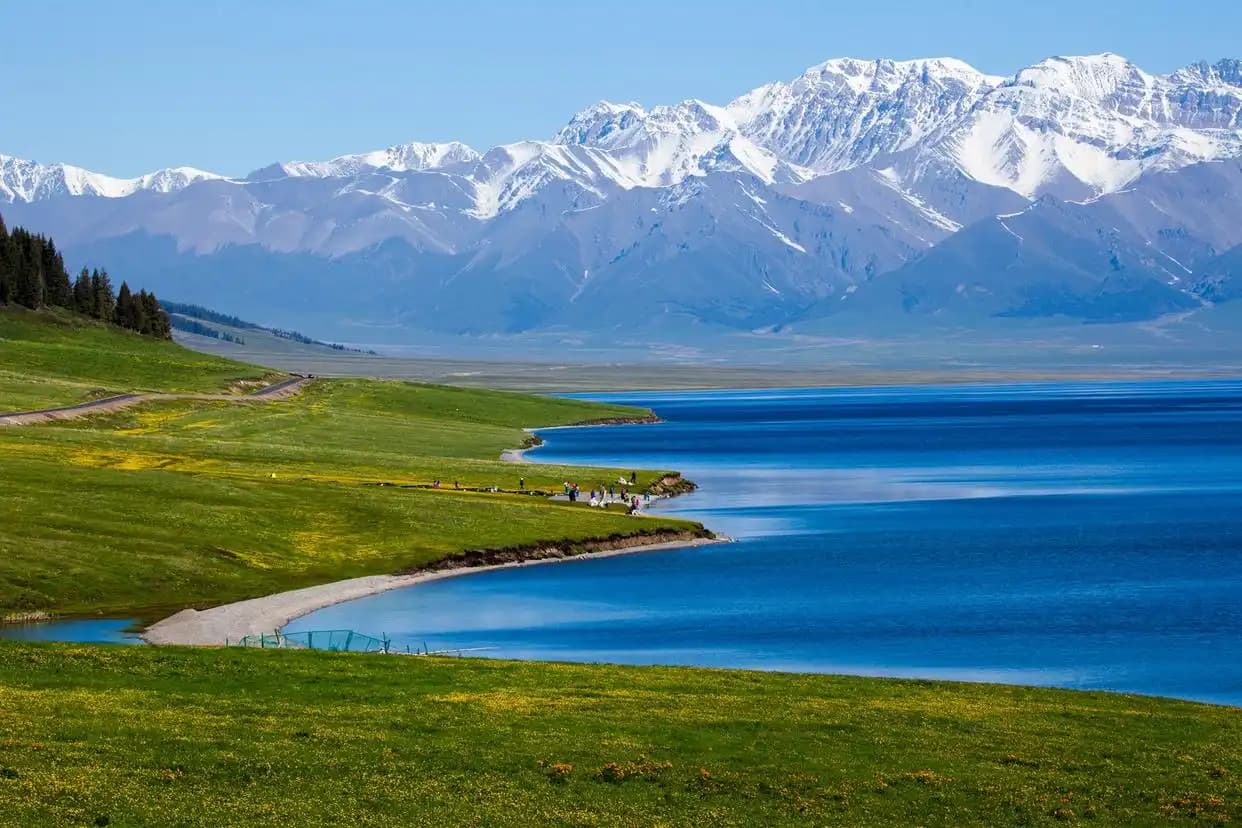
Sayram Lake, Xinjiang’s largest alpine lake at 2,073 meters above sea level, is the ultimate summer escape. The water stays at a refreshing 12–15°C even in July, and the lakeshore breeze never stops. Walk the 90km ring road along the shore, and you’ll pass through spruce forests, Kazakh yurt camps, and flower-filled meadows where the only sound is the wind and distant horse bells.
Practical info for summer visit: entrance fee is ~¥70 per person, and self-drive is allowed on the lakeshore highway with a daily pass (~¥145). The best time to visit is June–August for warm days and September for fewer crowds and golden steppe colors. Stay in a yurt camp or lakeshore guesthouse for sunrise and sunset views.
Summer is also the best time to see the lake’s color changes. Depending on the cloud cover and sun angle, the water shifts from jade green to electric blue to steel gray — a phenomenon that’s earned it the nickname “the last tear of the Atlantic.” For a deeper dive into planning your Sayram Lake trip, check out our complete Sayram Lake travel guide with tips on permits, accommodation, and the best photo spots.
Don’t miss the nearby Guozi Gorge and Huocheng lavender fields in June and July. The combination of blue lake water, purple lavender, and snow mountains makes for some of the most iconic photos in all of Xinjiang.
2. Kuerdening Grassland — The Air-Conditioned Prairie
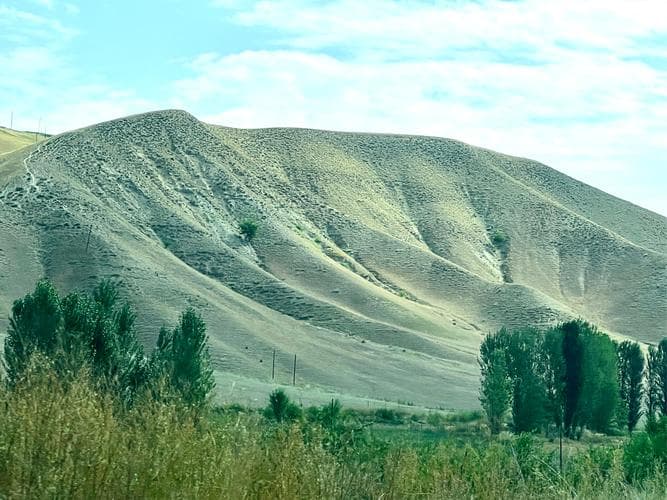
Tucked away in the Ili River Valley, Kuerdening Grassland sits at 1,600–2,000 meters and stays 5–8°C cooler than the nearby city of Yining. Unlike the more famous Nalati, Kuerdening sees fewer tour buses, leaving you with miles of empty meadows to wander. The spruce forests here are some of the oldest in Central Asia, and the air smells of pine resin and wild thyme.
Summer is also the season for staying in a local Kazakh yurt. Most camps serve milk tea and fresh cheese, and you can join a horse-riding trip to high mountain pastures that are only accessible between June and September. The starry sky here is also among the best in Xinjiang — with zero light pollution, the Milky Way is visible to the naked eye on clear nights.
Kuerdening is also a great base for exploring the wider Ili region. You can day-trip to Nalati, Tekes Bagua City, and Zhaosu Horse Farm without the hassle of changing hotels every night. The best months to visit are June–August for wildflowers and September for golden meadows.
3. Heavenly Lake (Tianchi) — A Cool Oasis Near Urumqi
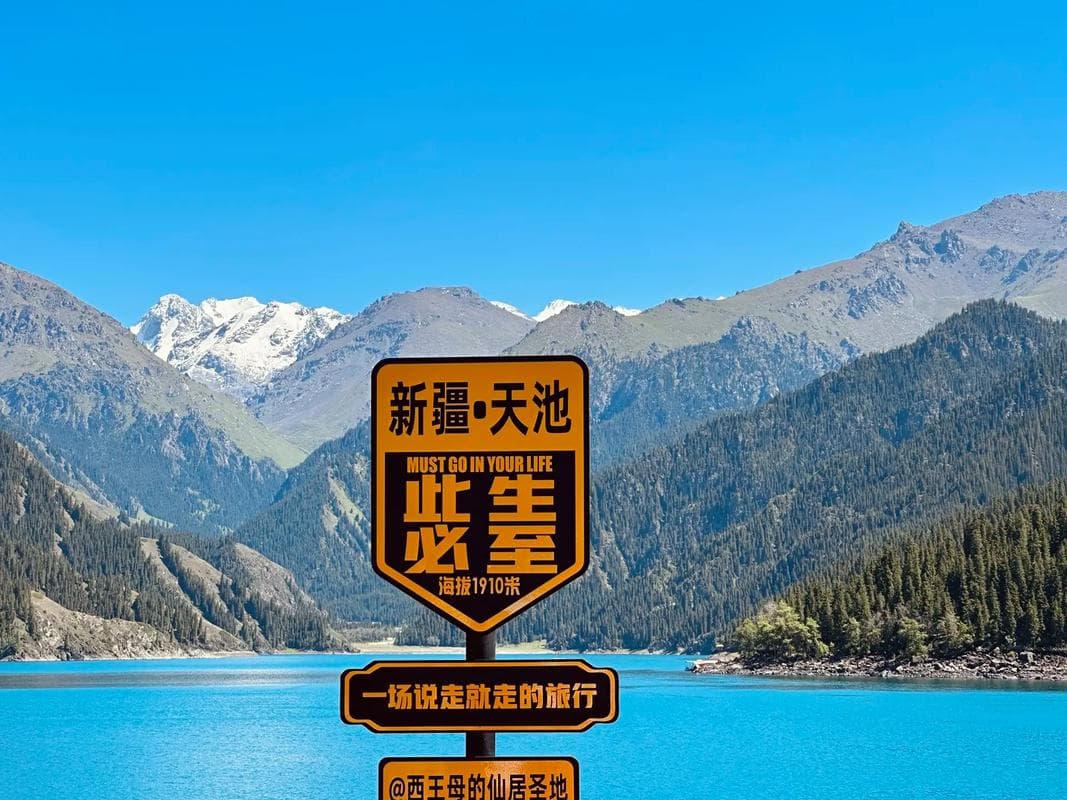
Just 110km from Urumqi, Heavenly Lake is the perfect summer day trip to escape the city heat. The lake sits at 1,980 meters, and the temperature rarely exceeds 22°C even in August. Walk the west shore plank trail for classic photos of the Bogda Peak reflected in the water, or take the cable car up to Maya Peak for a panoramic view of the Tianshan range.
Practical info: entrance fee is ~¥155 + ¥60 mandatory shuttle bus. The shuttle runs from 08:30 to 19:30, and the last bus down leaves at 19:30. Best time to visit is mid-September for fewer crowds, but June–August is best for warm weather and wildflowers. Book tickets online in advance during peak season to avoid long queues.
If you’re short on time in Urumqi, our Heavenly Lake day trip guide covers everything from ticket booking to avoiding crowds.
Combine your trip with a visit to the Xinjiang Regional Museum in Urumqi before heading to the lake — it’s a great way to learn about the region’s history and culture before seeing the natural scenery.
Summer Food in Xinjiang: Cool, Fresh, and Irresistible
Xinjiang’s summer cuisine is all about cooling down. Start with shakarap (chilled melon cubes dusted with rose petals), move on to sogan (cold garlic noodles with vinegar and chili oil), and finish with doubtful (frozen yogurt drinks that taste like tangy ice cream). The star of the season is Xinjiang’s Hami melon and Turpan grape, which reach peak sweetness in July and August.
Even the grilled meats get a summer twist — look for stalls selling shashlik (lamb skewers) paired with cold beer or kumis (fermented horse milk, an acquired taste but perfect for cooling off). For dessert, try samani (cold rice pudding with nuts and dried fruit) — it’s a staple at Uyghur summer gatherings.
Don’t forget to try chuchvara (cold dumplings in yogurt sauce) — it’s a lesser-known summer dish that’s perfect for hot days. You can find it at most night markets in Kashgar, Urumqi, and Yining. For a full list of summer dishes, check out our Xinjiang summer food guide.
Essential Summer Travel Tips for Xinjiang
- Sun protection is non-negotiable: The dry air means you won’t feel sweat, but UV rays are intense. Bring SPF 50+ sunscreen, a wide-brim hat, and UV-blocking sunglasses. Reapply sunscreen every 2 hours if you’re outdoors.
- Layer your clothing: Even in summer, temperatures can drop 10–15°C after sunset, especially at high-altitude lakes and grasslands. A light down jacket or fleece is essential for evenings. Wear breathable long sleeves during the day to avoid sunburn.
- Book accommodation early: June–August is peak season for domestic tourists. Guesthouses in Sayram, Kuerdening, and Nalati fill up weeks in advance, so reserve at least 2–3 weeks ahead. Consider staying in nearby towns like Yining or Kuqa if accommodation inside scenic areas is full.
- Stay hydrated: The dry air causes invisible fluid loss. Carry at least 1L of water per person per day, and add electrolyte tablets if you’re hiking or spending long hours outdoors. Avoid excessive alcohol at high altitudes.
- Respect local customs: Dress modestly when visiting mosques or old town areas. Ask permission before taking photos of locals, especially in rural areas and yurt camps. A smile and a small tip (¥10–20) go a long way.
- Plan for variable weather: Afternoon thundershowers are common in high mountain areas in summer. Bring a lightweight rain jacket and keep your electronics in a waterproof bag.
Summer Festivals and Events You Shouldn’t Miss
Summer is also the season for cultural events across Xinjiang. The Ili Heavenly Horse Festival in Zhaosu (usually late July) features horse races, eagle hunting demonstrations, and traditional music performances. The Kashgar Art Festival (August) brings together Uyghur musicians, dancers, and artisans from across the region.
If you’re in Turpan in June, don’t miss the Grape Festival — you can taste dozens of grape varieties, watch folk performances, and join in the grape-picking activities. These events are a great way to experience local culture beyond the scenery.
Plan Your Summer Xinjiang Trip Today
Summer in Xinjiang is a fleeting window of perfect weather, blooming meadows, and cultural events that only happen once a year. Whether you’re chasing glacier views, exploring grassland yurts, or just want to escape the heat of eastern China, Xinjiang delivers an experience you can’t find anywhere else on the Silk Road.
For more detailed itineraries, packing lists, and off-the-beaten-path recommendations, explore our Xinjiang summer travel itineraries section — updated weekly with the latest tips from travelers on the ground.
Ready to pack your bags? The cool breeze of the Tianshan mountains is waiting.
Questions I get at the travel desk
What is the best time to visit Sayram Lake?
June through September offers the best weather with temperatures between 15-25°C and wildflowers in full bloom around the lake.
How do I get to Sayram Lake from Urumqi?
Sayram Lake is about 450km from Urumqi. You can drive via the G30 highway (5-6 hours), take a bus from Urumqi West Bus Station (6-7 hours), or hire a private driver for the most flexibility.
Is there an entrance fee for Sayram Lake?
Yes, the entrance fee is approximately 70 RMB per person. Additional fees may apply for the lake island boat tour (about 100 RMB) and the scenic area shuttle bus.
Can I camp near Sayram Lake?
Camping is allowed in designated areas around the lake. The best spots are on the eastern shore where you can wake up to stunning sunrise views over the water.
What should I pack for a trip to Sayram Lake?
Even in summer, temperatures can drop significantly at night. Bring layers, a windproof jacket, sunscreen (UV is strong at high altitude), and comfortable walking shoes.
To make the most of your culinary journey through Xinjiang, browse our full collection of travel guides and itineraries that pair great food with unforgettable destinations.