Planning a Xinjiang Trip in 2026: What You Actually Need to Know
Last updated: July 15, 2026 · Written by Karl Huang, a Xinjiang travel specialist who has spent time across the region. Practical details are cross-checked against official tourism, transport, and border-regulation sources.
| Best time | Spring (Apr–May), Summer (Jun–Aug), Autumn (Sep–Oct, highly recommended), Winter (Nov–Mar). |
|---|---|
| How long | 7–14 days typical; plan transport and permits before arrival. |
| Difficulty | Moderate — book trains/flights and any border permits in advance. |
| Cost level | Mid-range; shoulder seasons are cheaper than the October peak. |
| Plan focus | Match season to region; build a realistic loop rather than cramming. |
| Don’t miss | Autumn’s golden landscapes and the cultural north–south contrast. |
Welcome to your comprehensive Xinjiang Travel Guide 2026! Xinjiang, China’s vast northwestern autonomous region, is a land of breathtaking contrasts and profound cultural richness. As the heart of the ancient Silk Road, it offers an unforgettable journey through epic desert landscapes, majestic snow-capped mountains, serene alpine lakes, and vibrant bazaars pulsating with Uyghur culture. Planning your trip for 2026 promises exciting possibilities with improving tourism infrastructure and a growing focus on international visitors. This guide will equip you with everything you need to know about the best time to visit, top attractions, and essential travel tips for an amazing adventure.
Why Visit Xinjiang in 2026?
Xinjiang is more than a destination; it’s an experience. 2026 is an ideal year to explore as connectivity and visitor services continue to develop. You’ll discover:
- Unmatched Geographic Diversity: Journey from the otherworldly dunes of the Taklamakan Desert to the pristine beauty of Kanas Lake, and from the fiery mountains of Turpan to the lush pastures of the Ili Valley.
- A Cultural Tapestry: Immerse yourself in the traditions of the Uyghur, Kazakh, Kyrgyz, and Mongol peoples, experiencing their unique music, dance, handicrafts, and incredibly hospitable way of life.
- Silk Road Legacy: Walk in the footsteps of ancient merchants and explorers in historical hubs like Kashgar and Turpan, where history feels vividly alive.
- A Food Lover’s Paradise: Savor the bold flavors of Uyghur cuisine—succulent lamb kebabs, hand-pulled noodles, fragrant pilaf (polo), and the ubiquitous nan bread.
This Xinjiang Travel Guide 2026 is designed to help you navigate this magnificent region confidently.
Best Time to Visit Xinjiang: A Seasonal Breakdown
Choosing the right time is crucial for your Xinjiang adventure. The region’s continental climate means distinct seasons, each offering unique charms.
1. Spring (April – May)
- Weather: Mild and pleasant, with daytime temperatures between 15-25°C. Nights can be cool. This season can sometimes bring occasional sandstorms, especially in the south.
- Why Visit in Spring:
- Blossoming Landscapes: Southern oases like Kashgar and Hotan come alive with apricot and peach blossoms. The Nalati Grassland starts turning green.
- Fewer Crowds: Enjoy popular sites with more tranquility before the summer peak.
- Comfortable Exploration: Ideal for city sightseeing and cultural tours in places like Kashgar’s Old City.
- Best For: Photographers, culture enthusiasts, and travelers who prefer milder weather.
2. Summer (June – August)
- Weather: Warm to hot and dry. Northern areas (like Kanas, Ili) are very comfortable (15-25°C). The Turpan Depression can be extremely hot (exceeding 40°C), while the southern deserts are also hot but dry.
- Why Visit in Summer:
- Peak Season in the North: This is the perfect time for the stunning alpine scenery of Kanas Lake, Hemu Village, and the Ili River Valley, where wildflowers carpet the meadows.
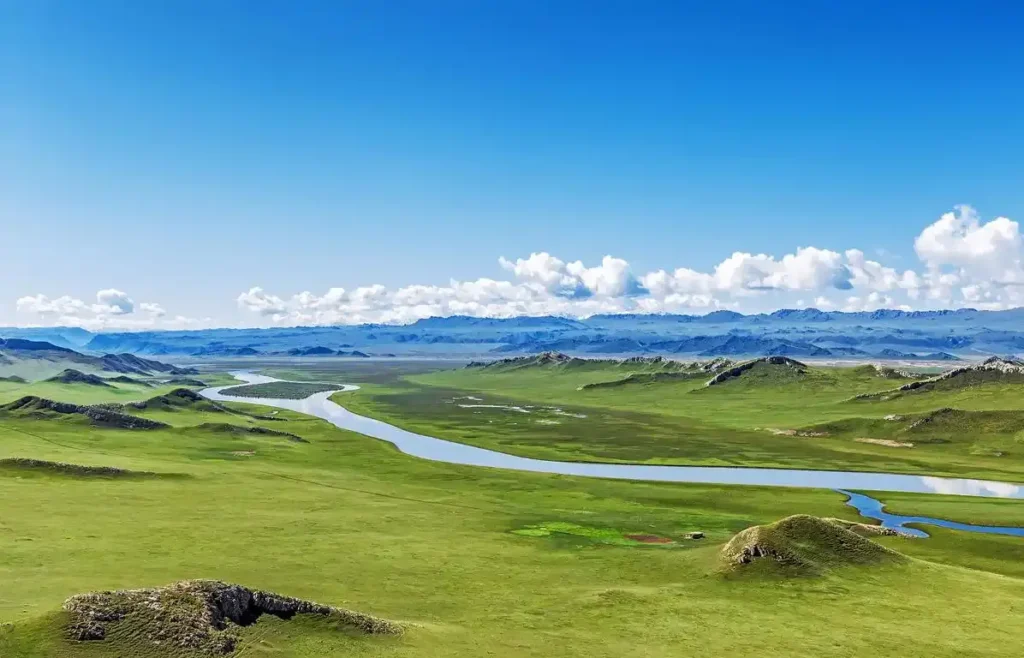
- Lush Grasslands: The Nalati Grassland and Bayinbulak Grassland are at their most vibrant and green.
- Festive Atmosphere: Experience local festivals like the Nadam Fair on the grasslands.
- Best For: Hiking, nature lovers, and those focusing on Northern Xinjiang’s mountains and lakes. Be prepared for more tourists.
3. Autumn (September – October) – HIGHLY RECOMMENDED
- Weather: Arguably the best season. Days are warm, sunny, and crisp, with minimal rain. Nights become cooler. Perfect weather for all activities.
- Why Visit in Autumn:
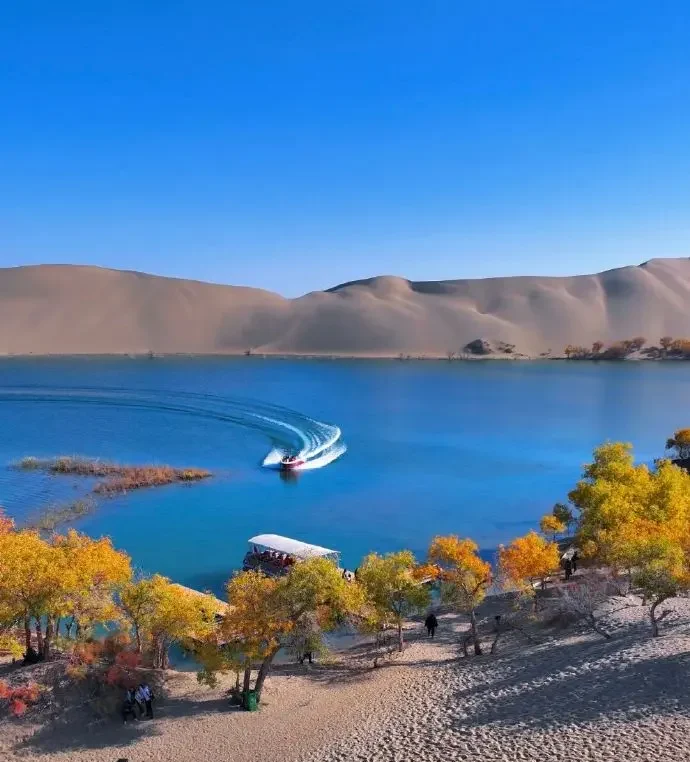
- Golden Poplar Forests: The iconic Tarim River Poplar (Euphrates Poplar) forests turn a spectacular gold in late October, creating a photographer’s dream.
- Harvest Season: Enjoy an abundance of delicious fruits—grapes in Turpan, Hami melons, Korla pears, and pomegranates in Kashgar.
- Ideal Conditions: Comfortable temperatures across the entire region, from the southern deserts to the northern mountains, make this the most versatile and popular time to visit.
- Best For: All travelers. This season offers the best overall experience, combining great weather, stunning scenery, and cultural vibrancy.
4. Winter (November – March)
- Weather: Cold, especially in the north, with temperatures often below freezing and significant snowfall. The south is cold but drier.
- Why Visit in Winter:
- Winter Wonderland: Northern areas like Kanas transform into a silent, frozen fairyland, perfect for unique photography and experiencing local winter traditions.
- Hot Springs & Skiing: Enjoy skiing at resorts like Silk Road Ski Resort near Urumqi or relax in natural hot springs.
- Low Season Serenity: Experience sites like the Jiaohe Ancient City or Kashgar’s Old City without the crowds.
- Best For: Adventure seekers, photographers looking for unique scenes, and travelers who enjoy winter sports or serene landscapes.
The Verdict of this Xinjiang Travel Guide 2026: For a first-time visitor seeking the quintessential Xinjiang experience, autumn (mid-September to late October) is the absolute best time. For a focus on alpine lakes and grasslands, summer (June-August) is perfect for the north.
Top Attractions & Experiences in Xinjiang
Your journey through Xinjiang will be packed with highlights. Here are the must-see places and activities featured in this Xinjiang Travel Guide 2026.
1. The Cultural Heart: Southern Xinjiang
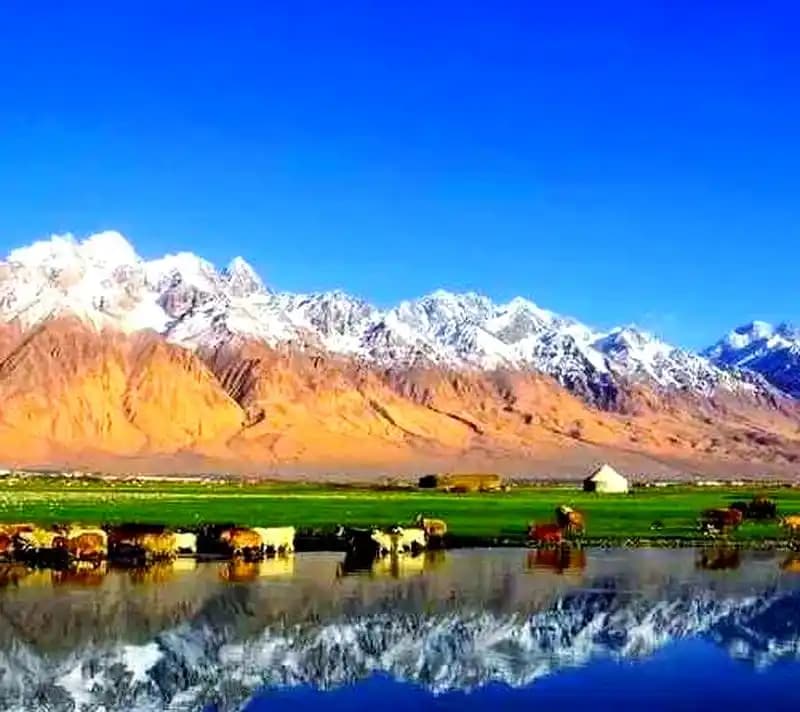
- Kashgar: The soul of the Silk Road. Get lost in the maze of the Kashgar Old City, feel the energy of the Sunday Livestock Market (one of Asia’s largest), and visit the majestic Id Kah Mosque.
- Taklamakan Desert & Desert Highway: Experience the awe-inspiring vastness of the world’s second-largest shifting-sand desert. Drive along the cross-desert highway for an unforgettable journey.
- Karakoram Highway: One of the world’s highest paved roads, offering breathtaking views towards Pakistan. A paradise for road trippers and adventurers (note: special permits required for certain sections).
2. The Natural Wonders: Northern Xinjiang
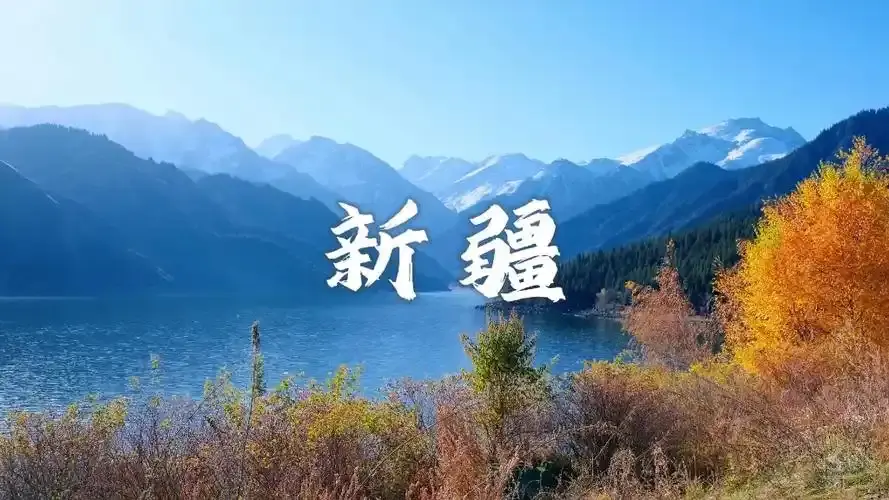
- Kanas Lake: Known as the “Switzerland of the East,” its turquoise waters set against forests and snow peaks are stunning, especially in summer and autumn.
- Hemu & Baihaba Villages: Picturesque Tuva ethnic villages of wooden cabins nestled in valleys, offering a glimpse into traditional life and incredible morning mist views.
- Sayram Lake: A stunning alpine lake with crystal-clear blue waters, often called “the last tear of the Atlantic.”
- Ili (Yili) Valley: In summer, the Zhaosu and Kalajun Grasslands explode with wildflowers, creating a scene straight from a painting.
3. Historical & Unique Sites
- Turpan: An oasis in the desert’s heat. Explore the ancient ruins of Jiaohe and Gaochang, see the ingenious Karez underground irrigation system, and visit the iconic Flaming Mountains.
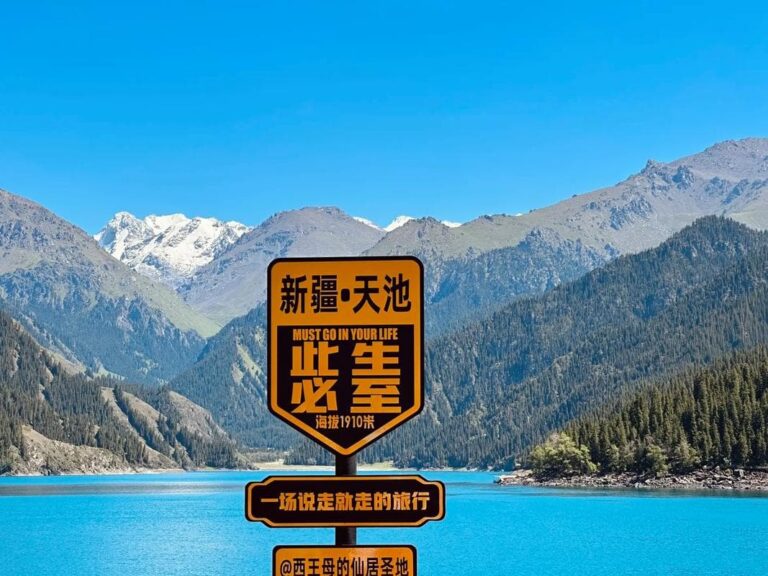
- Tianchi (Heavenly Lake): A beautiful alpine lake nestled in the mountains near Urumqi, great for a day trip.
- Ghost City (Urho Windy City): Marvel at the spectacular wind-eroded Yardang landforms that create eerie shapes at sunset.
Essential Travel Tips for Foreign Visitors in 2026
A successful trip requires good planning. This Xinjiang Travel Guide 2026 provides key practical advice.
- Visa & Permits: You need a standard Chinese tourist visa (L Visa). Important: Some border areas (e.g., parts of the Karakoram Highway, certain counties near borders) require an Alien Travel Permit. This is usually arranged by your local travel agency in Xinjiang after you arrive. Always confirm with your agency or hotel about necessary permits for your itinerary.
- Currency & Payments: Carry some Chinese Yuan (CNY/RMB) cash, especially for markets and small vendors in remote areas. While Alipay and WeChat Pay are ubiquitous in cities, having cash is essential. International credit cards are accepted in major hotels but not widely elsewhere.
- Language: Mandarin is the official language. In Southern Xinjiang, Uyghur is widely spoken. English is not common outside international hotels. Learning a few basic Mandarin phrases or using a translation app (like Pleco or Google Translate) is highly recommended.
- Internet & Communication: Major international social media and news apps (Facebook, Instagram, WhatsApp, Google services) are blocked in China. Purchase a local SIM card (from China Mobile, Unicom, or Telecom) upon arrival for data. Consider using a VPN before you travel if you need access to these services, but be aware their reliability can vary.
- Cultural Sensitivity: Xinjiang is a multi-ethnic region with a strong Islamic culture in the south. Dress modestly when visiting mosques. Always ask for permission before photographing people, especially locals. Be respectful of local customs and religious practices.
- Health & Safety: Xinjiang is generally very safe for travelers. The dry climate and high altitude in some areas require you to drink plenty of water, use strong sunscreen, and moisturize. Altitude sickness is rarely an issue except on the very high mountain passes of the Karakoram Highway.
Crafting Your 2026 Xinjiang Itinerary
- Classic 10-14 Day Loop: Urumqi – Heavenly Lake – Turpan – Korla – Kuqa – Taklamakan Desert – Kashgar – Karakoram Highway (to Lake Karakul) – Kashgar – Return. (Focuses on culture and desert).
- Natural Wonders 10-12 Day Trip: Urumqi – Heavenly Lake – Burqin – Kanas Lake – Hemu Village – Urho Ghost City – Sayram Lake – Ili Grasslands – Return to Urumqi. (Focuses on North Xinjiang’s landscapes).
- The Grand Tour (16+ Days): Combine the above to experience the full spectrum of Xinjiang’s diversity.
Conclusion: Start Planning Your 2026 Xinjiang Journey
Xinjiang is a destination that challenges and rewards in equal measure. It offers landscapes of surreal beauty, encounters with profoundly warm and welcoming cultures, and a sense of adventure found in few other places on earth. With the insights from this Xinjiang Travel Guide 2026, you are well-prepared to plan an incredible journey. Whether you are drawn by the call of the desert, the silence of the mountains, or the rhythm of the Silk Road, Xinjiang in 2026 awaits to leave you with memories that will last a lifetime. Start planning your trip today
-
Do I need a visa to visit Xinjiang?
Yes, you need a valid Chinese visa. Some areas near borders may require additional permits.
-
What is the best time of year to visit Xinjiang?
The best time is from May to October. July and August are peak season with the best weather.
-
How many days do I need for a Xinjiang trip?
We recommend at least 7-10 days to see the highlights of both northern and southern Xinjiang.
-
Is it safe to travel to Xinjiang?
Yes, Xinjiang is safe for tourists. The region has extensive security measures and low crime rates.