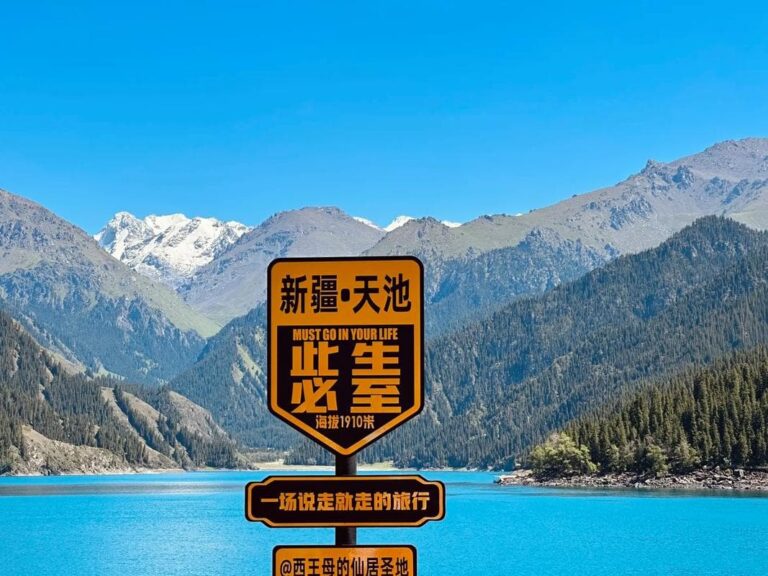
Xinjiang by Month: Weather, Best Time to Visit & What to Pack
Most first-time travelers picture Xinjiang as one unchanging stretch of desert and snow. It is not. This is a region the size of Western Europe, where the capital Urumqi can sit under 15 degrees of frost in January while Kashgar, 1,500 km to the southwest, enjoys a bright, almost mild winter day. Planning a trip here is less about whether Xinjiang is worth visiting (it absolutely is) and more about when you go, because the weather decides which roads are open, which valleys are green, and what you will realistically be wearing at 9 a.m. versus 9 p.m.
Last updated: July 15, 2026 · Written by Karl Huang, a Xinjiang travel specialist who has spent time across the region. Practical details are cross-checked against official tourism, transport, and border-regulation sources.
This guide is built as a reference you can return to. It opens with a month-by-month weather table covering three representative climate zones — northern Urumqi, southern Kashgar, and the wetter Ili basin around Yining — then breaks the year into the four seasons that actually matter for travelers, answers the packing question for every month, and ends with a straight verdict on the best time to visit Xinjiang.
The Monthly Weather Table (Xinjiang Climate at a Glance)
Temperatures below are approximate average daily ranges in Celsius, based on the region’s continental arid climate: long, hot summers, long, bitter winters, short springs and autumns, and a day-to-night swing that routinely hits 15–20°C. South Xinjiang (Kashgar) runs warmer and drier than the north; the Ili valley (Yining) is the wettest and greenest corner, which is exactly why its apricot blossoms and grasslands are famous.
| Month | Urumqi Avg (°C) | Kashgar (°C) | Yining / Ili (°C) | Travel Highlights | Things to Watch |
|---|---|---|---|---|---|
| January | −15 to −10 | −8 to 0 | −10 to −3 | Ice festivals, Silk Road museums, near-empty sites | Harsh cold; mountain passes often closed |
| February | −12 to −6 | −5 to 5 | −8 to 1 | Late-winter skiing near Urumqi, festival lanterns | Still very cold; short daylight hours |
| March | −4 to 6 | 1 to 14 | −2 to 11 | First blossoms in the south, snowmelt scenery | Muddy ground, strong spring winds |
| April | 4 to 17 | 8 to 22 | 4 to 19 | Grasslands waking, apricot buds forming | Spring gales; unpredictable cold snaps |
| May | 10 to 24 | 13 to 28 | 9 to 24 | Ili apricot flowers peak, wildflowers everywhere | Best shoulder month; prices starting to rise |
| June | 15 to 29 | 17 to 32 | 13 to 28 | Duku Highway opens, pastures turn brilliant green | Peak season begins; warm, sunny days |
| July | 18 to 31 | 20 to 35 | 15 to 31 | Ili lavender fields, lush Tian Shan meadows | Hottest month; desert midday heat is intense |
| August | 16 to 30 | 18 to 34 | 14 to 30 | Harvest festivals, full summer greenery | Crowded; book transport and stays early |
| September | 10 to 24 | 13 to 30 | 9 to 25 | Kanas golden larch, grape harvest in Turpan | Widely considered the single best month |
| October | 3 to 16 | 6 to 23 | 3 to 18 | Autumn color, crisp air, far fewer tourists | Duku may close mid/late month; cold nights |
| November | −5 to 5 | 0 to 14 | −3 to 9 | First snow, rock-bottom prices | Many scenic mountain roads close |
| December | −12 to −7 | −6 to 3 | −9 to 0 | Snow towns, skiing, festive bazaars | Deep winter; pack for serious cold |
Understanding Xinjiang’s Climate Before You Book
Xinjiang sits deep inside the Eurasian landmass, far from any ocean, which makes it the textbook example of a continental arid climate. Translation for travelers: the air is dry, the sun is fierce, rainfall is scarce (most of the region sees under 200 mm a year, a fraction of what London or New York get), and the land heats up and cools down fast. That last point is the one people underestimate. A July afternoon in Kashgar can touch 35°C; by midnight it may drop to a sweater-required 18°C. In the mountains the swing is even wider.
There is also a sharp north–south split. The Tian Shan range bisects the region into the Dzungarian Basin (north, colder, Urumqi-led) and the Tarim Basin (south, warmer, Kashgar-led, wrapped by the Taklamakan Desert). The Ili valley in the far west is the outlier — it catches westerly moisture, so it greens up and blooms weeks before the rest of the region. When you read “best time to visit Xinjiang,” keep in mind you are really asking about a north, a south, and a western pocket with three different answers.
Spring in Xinjiang (March–May)
What Makes Spring Special
Spring is short and a little chaotic, but it is also when Xinjiang shakes off winter and puts on its first show. The headline event is the Ili apricot blossom in early to mid-May, when the valleys around Yining and Nalati turn pink and white almost overnight. South Xinjiang warms up fastest, so Kashgar and the Pamir foothills are already comfortable while the north is still shedding snow. It is a shoulder season: cheaper than summer, far less crowded, and good for photography if you can handle variable skies.
The Catch
Spring is wind season. The famous “spring gales” (chunfeng) can shut down desert highways and fill the air with dust, especially April. Snowmelt makes some mountain tracks muddy or impassable, and the Duku Highway is still closed. If you come in spring, treat your itinerary as flexible.
What to Wear in Spring
Layers are non-negotiable. A warm mid-layer (fleece or light down), a windproof shell, long trousers, and sturdy shoes for muddy ground. Pack a scarf for dust and sunglasses for glare. Northern nights still dip near freezing into April, so keep a hat and gloves handy even in May if you head to altitude.

Summer in Xinjiang (June–August)
What Makes Summer Special
Summer is when the north finally opens. The big one is the Duku Highway — the spectacular road linking Urumqi-area Dushanzi to Kuqa across the Tian Shan — which typically opens only in early June and closes by late October. Drive it and you pass snow peaks, alpine lakes, and red canyon country in a single day. Grasslands in Ili and Bayinbuluk are at their greenest, lavender blooms around Huocheng in July, and the whole north is alive with festivals and open guesthouses.
The Catch
It is peak season, so prices and crowds rise, and July is the hottest month — Kashgar can hit 35°C and the Taklamakan edge is brutal at midday. Afternoon thunderstorms are possible in the mountains. Booking transport and accommodation ahead becomes essential in July and August.
What to Wear in Summer
Light, breathable clothing for daytime, plus a real sun hat, high-SPF sunscreen, and sunglasses — the UV at altitude is no joke. Always carry a warm layer for evenings and any mountain pass, where it can be 15°C cooler than the valley. Comfortable walking shoes, and a light rain shell for mountain showers.
Autumn in Xinjiang (September–October)
What Makes Autumn Special
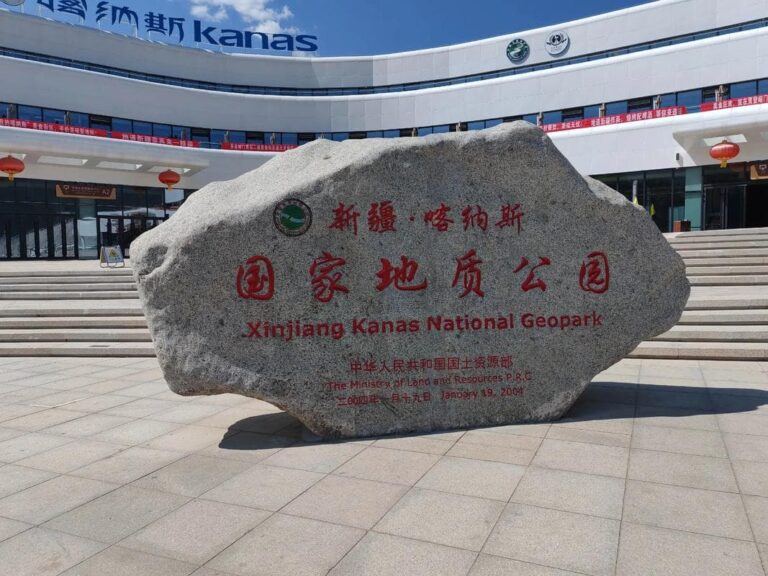
If you ask locals and seasoned travelers for the best time to visit Xinjiang, September and early October win by a mile. The heat eases, the summer crowds thin, the air turns crisp, and the forests go gold. Kanas and Hemu in the north become the postcard you have seen — emerald river, wooden cabins, and larch hills glowing yellow. It is also grape- and fruit-harvest season in Turpan and Kashgar, so the bazaars are at their best. Roads are still open, but the window is narrow.
The Catch
The Duku Highway can close with the first heavy snow, often mid-to-late October, and nights get cold fast (Urumqi can hit 3°C by day and freeze at night in late October). Once November arrives, many mountain scenic areas shut for the season.
What to Wear in Autumn
This is the classic “four seasons in one suitcase” window. T-shirts for midday, a fleece or light down for mornings and evenings, a windproof jacket, and closed shoes. Pack a warm hat and gloves if you go to Kanas or any high pass after early October. Layers let you enjoy a 24°C afternoon and a freezing sunrise without misery.
Winter in Xinjiang (November–February)
What Makes Winter Special
Winter is the insider’s Xinjiang. Yes, it is cold — Urumqi averages around −12°C in February — but the payoff is real: far fewer tourists, the lowest prices of the year, and a fairytale snowscape. Ski resorts near Urumqi and Altay (home to some of the world’s oldest documented skiing culture) operate, ice festivals run, and Kashgar’s old town under fresh snow is gorgeous and quiet. South Xinjiang stays relatively mild and fully accessible, which is why many locals say winter is the time to explore Kashgar and the deserts.
The Catch
Some mountain scenic areas (including parts of Kanas) close, and high passes can be shut by snow. Daylight is short. You need serious cold-weather gear, and self-driving in remote areas demands experience and preparation.
What to Wear in Winter
A proper insulated winter coat (down, rated for −20°C if you head north), thermal base layers, a thick fleece, insulated waterproof boots, a hat that covers the ears, gloves, and a scarf or balaclava. Lip balm and moisturizer are essential — the dry cold cracks skin fast. For Altay or snow sports, add snow pants and goggles.
What to Pack by Month — A Quick Reference
- January–February: Heavy down coat, thermals, insulated boots, hat, gloves, balaclava. Indoor heating is strong, so layer so you can strip down inside.
- March–April: Fleece, windproof shell, long trousers, dust scarf, sturdy shoes. Expect both sun and cold snaps.
- May: Light layers plus a warm mid-layer for mornings; comfortable shoes for blossom valleys; light rain shell.
- June–August: Breathable shirts, sun hat, sunglasses, high-SPF sunscreen, one warm layer for mountains, light rain shell, good walking shoes.
- September: T-shirts, fleece, windproof jacket, hat and gloves for early starts; versatile layers.
- October: Warm jacket, thermals for north-bound trips, gloves and hat; snow possible at altitude late month.
- November–December: Back to full winter kit — down coat, thermals, insulated boots, hat, gloves, moisturizer.
One universal tip regardless of month: bring lip balm, a refillable water bottle, and electrolytes. The dry climate dehydrates you before you notice, and mild altitude in the west (Kashgar sits around 1,200 m, the Pamirs much higher) makes water matter more than you expect.
The Verdict: Best Time to Visit Xinjiang
After the month-by-month breakdown, here is the straight answer:
- Overall best time: September to early October. Comfortable temperatures, golden scenery, open roads, harvest-season food, and thinning crowds. If you can pick only one window, this is it — and it is the answer most travel writers give when they say “best time to visit Xinjiang.”
- For the Duku Highway and northern grasslands: June through early October. The road typically opens in early June and closes with the first snow, often by late October, so plan the iconic north-crossing drive in that window.
- For South Xinjiang (Kashgar, the Pamirs, the deserts): nearly year-round, with spring (April–May) and autumn (September–October) most pleasant, and winter offering low prices and solitude. Avoid the harshest desert heat only if you dislike 35°C days — i.e., skip deep July afternoons in the south.
- For skiing and snow scenery: December through February, centered on Urumqi and Altay.
- For blossoms: mid-to-late May in Ili. For lavender: July around Huocheng.
If your schedule is fixed, do not overthink it — Xinjiang rewards travel in every season, as long as you pack for the one you chose and check road status before remote drives.