Xinjiang Halva and Traditional Sweets: A Traveler’s Field Guide
The first time I tasted real Xinjiang halva was in a back-alley sweet shop in Kashgar, watching the owner lift a pale, glossy slab of sugar-and-nut candy off a marble slab with a heavy cleaver and chop it into rough squares. It was nothing like the crumbly sesame halva I knew from elsewhere — denser, sweeter, and shot through with whole walnuts and pistachios. Xinjiang‘s sweet tradition is its own thing, shaped by the Silk Road and a climate that grows extraordinary nuts and grapes. Over three trips I have eaten my way through most of it, and this guide walks you through what these sweets actually are, how they are made, how to buy them without getting ripped off, and which ones survive the trip home in your luggage.
A Short History of Sugar on the Silk Road
Long before processed candy reached Central Asia, the oasis towns of what is now Xinjiang were already famous for concentrated fruit sugars. Turpan’s vineyards produced grape juice so sweet that boiling it down yielded a natural rock candy, and caravans carried it east and west as a trade good. The nut-and-sesame pressed candies came later, blending Persian halva technique with local walnuts and almonds. When you buy a chunk in a Kashgar bazaar, you are buying a recipe that has been refined for over a thousand years, not a modern factory product.
What “Halva” Means in Xinjiang
In Xinjiang the word most locals use is not “halva” but nawat (sometimes spelled navat or nawat shakar) — crystallized sugar made by slowly boiling grape or mulberry juice until it forms pale, translucent lumps. Vendors sell it by the chunk, and travelers suck on it the way others chew gum. The nut-and-sesame version that outsiders call halva is locally a pressed candy of toasted sesame, walnuts, or almonds bound with syrup. Knowing the distinction saves you from ordering the wrong thing at a stall.
The Two Families of Xinjiang Sweets
Broadly, you will meet two groups. The first is syrup-bound pressed candy — sesame halva, walnut tikuv, and pistachio bars. The second is crystallized sugar confections — nawat lumps and flavored sugar sticks. Both are sold loose by weight in the bazaars, not in branded packets, so the price and quality vary wildly from stall to stall.
How Nawat Is Actually Made
Watching nawat being made is half the fun. The process is simple but slow. First, fresh grape or mulberry juice is strained and simmered for hours until most of the water evaporates. As it cools, sugar crystals form naturally into pale, faintly amber clumps. Good nawat snaps cleanly and melts slowly on the tongue; poor nawat is sticky and cloudy, a sign it was rushed or cut with cheaper syrup. The best I tasted came from a family workshop outside Turpan where they still use copper pans over open flame.
Types You’ll Actually Find
| Sweet | Main ingredients | Texture | Best region to buy |
|---|---|---|---|
| Sesame halva (kunzhong) | Toasted sesame, syrup | Crumbly, dry | Urumqi, Kashgar |
| Walnut candy (yanyok) | Whole walnuts, sugar | Hard, glassy | Hotan, Aksu |
| Pistachio bar | Pistachio, syrup | Soft-chew | Kashgar, Yining |
| Nawat (grape sugar) | Concentrated grape juice | Crystalline lump | Turpan, Turfan oasis |
| Almond tikuv | Almonds, sesame, sugar | Brittle | Kucha, Aksu |
Regional Specialties Worth Seeking Out
Every oasis claims its own version. Hotan and Aksu are walnut country, so their candy is heavy with whole kernels and has a deeper, almost caramel bitterness. Kashgar leans into pistachio and a finer sesame grind. Turpan is the only place to buy proper nawat at the source. In Yining, near the Kazakh camps, you’ll find candies rolled in dried milk and a dusting of sugar that reflects the pastoral north rather than the desert south.
A Tasting Walk Through Kashgar
My routine in Kashgar is to start at the covered sweet row, buy a 100-gram mix from three different stalls, then sit on a low stool with a pot of black tea and compare. One stall’s sesame halva was so fresh it stuck to the paper; another’s walnut candy had clearly been sitting since last season and tasted faintly of cardboard. The lesson: buy where the turnover is high, usually near the entrance where the morning crowd gathers.
How to Spot Good Quality (and Avoid the Tourist Trap)
Real Xinjiang halva smells clean and nutty, never stale or rancid. Lift a piece: if it feels greasy or sticks to your fingers, the oil has turned. Whole nuts should be visible and evenly distributed, not dust. In the big bazaars around Xinjiang Sweets & Desserts, prices are posted per kilogram — agree before the vendor scoops, because “a small bag” can mean very different weights to different people.
Red Flags at the Stall
- Uniform pale color with no visible nuts — likely filler and food coloring.
- Wrapped in branded “gift” boxes at 3x the loose price — fine as a souvenir, but know you’re paying for packaging.
- A vendor who won’t let you taste — walk away.
- Candy that sweats in the heat — it will not survive the journey home.
Where to Buy
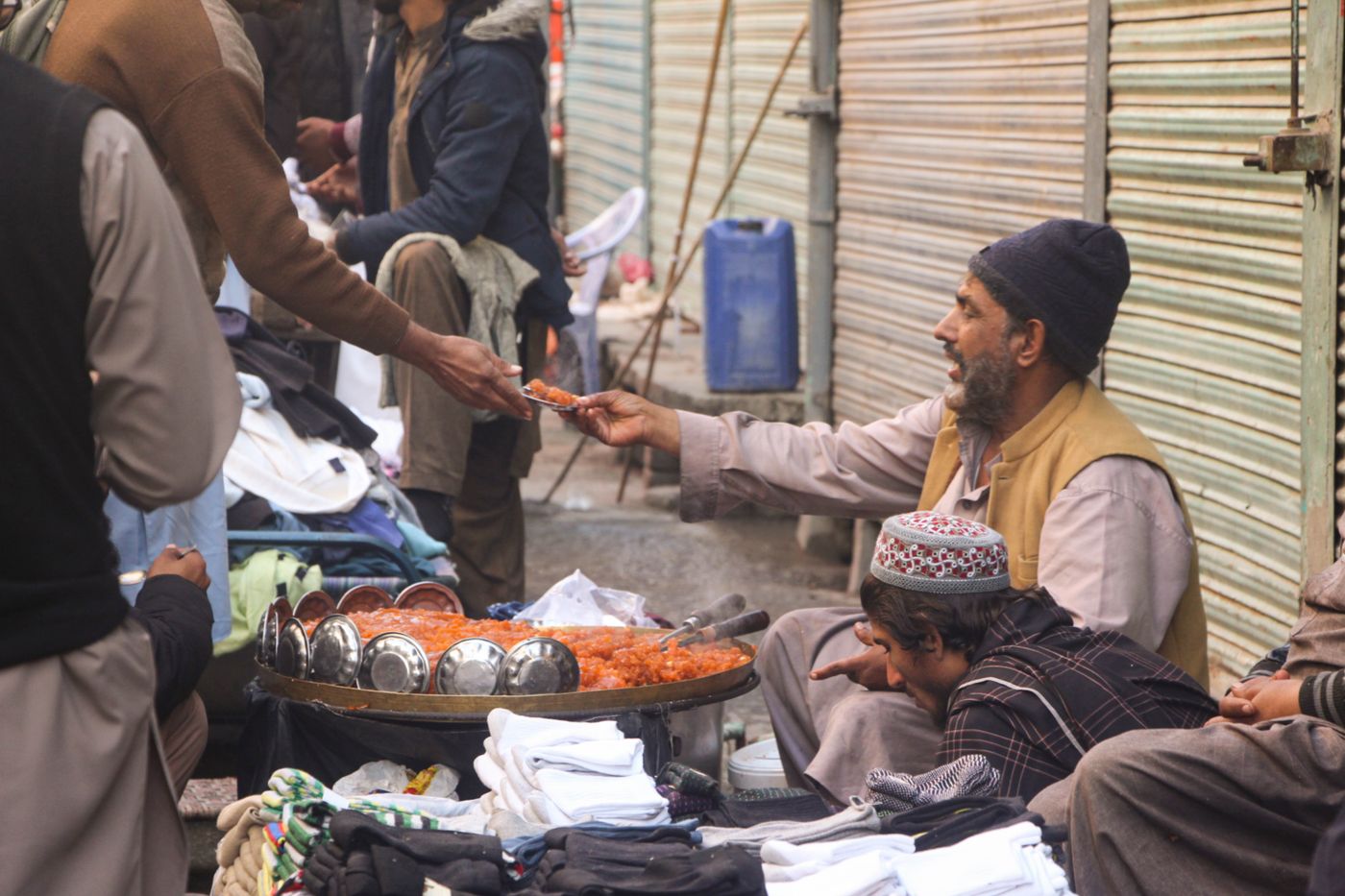
The Sunday bazaar in Kashgar remains the best single stop: dozens of sweet stalls in one covered row, fierce competition keeping prices honest. In Urumqi, the International Grand Bazaar has a dedicated dried-fruit-and-candy section. Turpan is the place for nawat specifically, since the surrounding vineyards supply the juice. Any trip through Xinjiang dried fruit and nuts should include a stop at a local nut vendor for fresh-pressed candy, and most will vacuum-seal it for free if you ask.
Packing Sweets Home
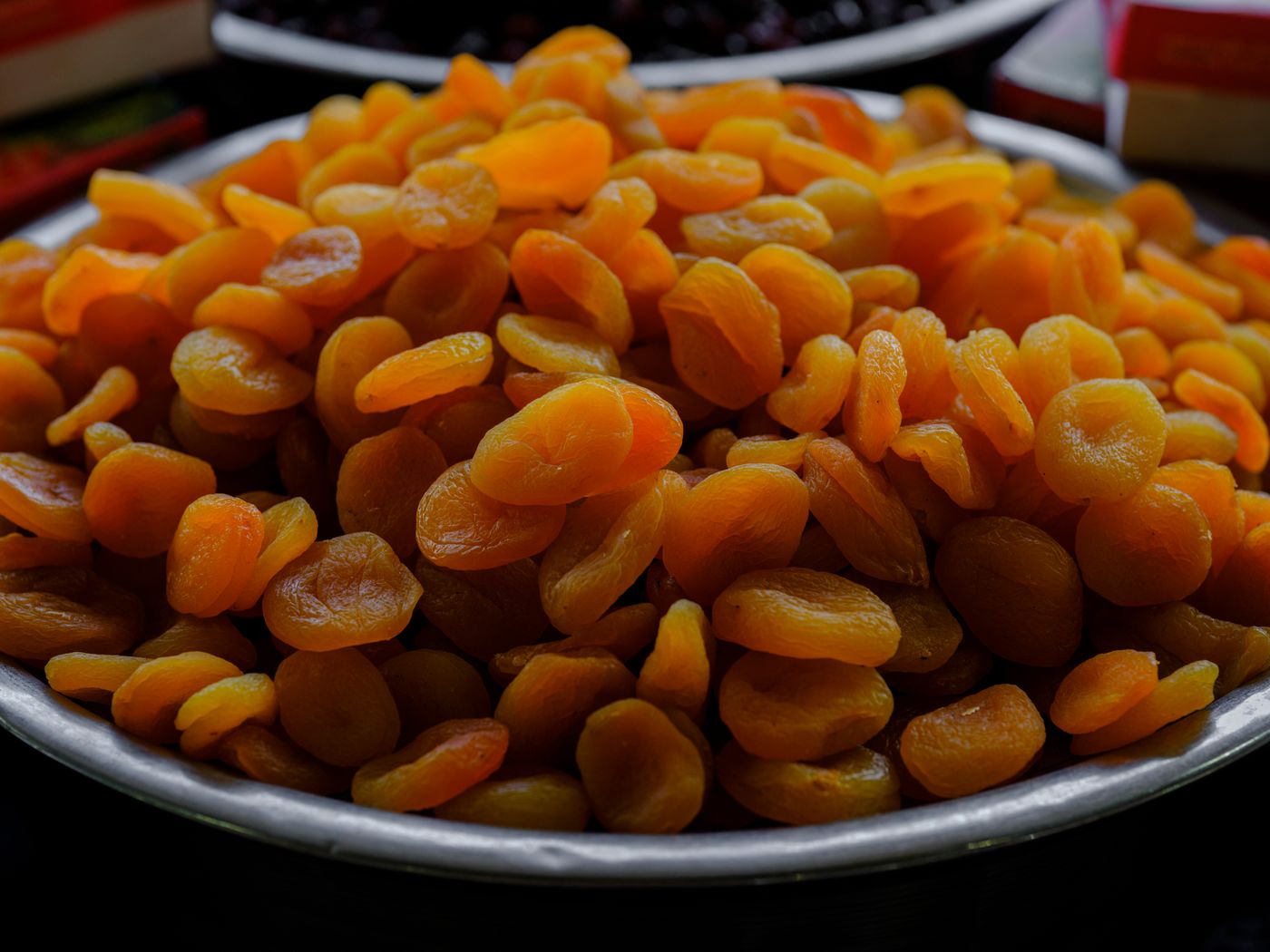
Pressed sesame and walnut candy travel well for two to three weeks in an airtight container away from heat. Nawat lumps melt into a single block if your bag sits on a hot coach seat, so wrap them in cloth and keep them in your daypack. Customs rarely object to commercial-looking sealed packs, but loose homemade candy can raise questions — keep a receipt. I have carried walnut candy from Kashgar to Europe twice without issue, as long as it stayed sealed and cool.
Gifting and Local Etiquette
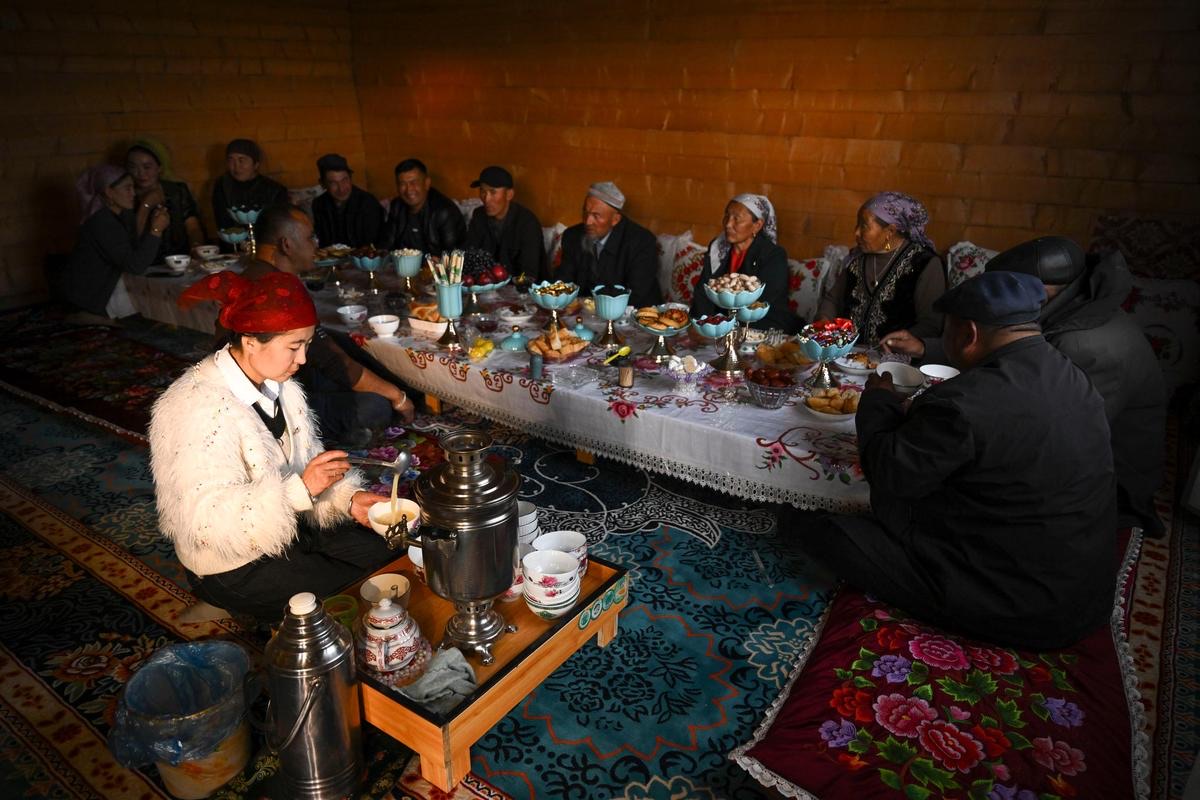
Sweets are a traditional gift across Xinjiang’s communities, offered with tea to guests as a sign of welcome. If a family presses a piece of nawat on you, accept it with your right hand and a small nod — refusing can read as impolite. Buying a modest amount from a stall and sharing it with your driver or guesthouse host goes a long way, and costs almost nothing.
Frequently Asked Questions
Is Xinjiang halva the same as Middle Eastern halva?
Not exactly. The sesame version is similar, but Xinjiang’s signature is the nut-studded syrup candy and crystallized nawat sugar, which you won’t find in Levantine shops. The local word and the preparation are distinct, and the flavor is fruitier because of the grape-sugar base.
How much does it cost?
Loose sesame halva runs roughly 30 to 50 yuan per kilogram; walnut and pistachio versions climb to 60 to 90 yuan. Nawat is cheaper, often 15 to 25 yuan per kilogram, because it is mostly concentrated juice rather than nuts. Prices rise slightly in tourist bazaars.
Is it safe for nut allergies?
No. Almost every pressed candy contains sesame, walnuts, or almonds, and cross-contact in open bazaar stalls is guaranteed. Skip it entirely if you have a serious nut or sesame allergy, and be careful even with nawat, which is sometimes processed on shared surfaces.
Can I carry it through airport security?
Solid candy is fine in both carry-on and checked luggage. Keep it sealed and declare agricultural products if your home country requires it; a shop receipt removes most doubt at customs, and vacuum-sealed packs look intentional rather than suspicious.
What pairs well with it locally?
Locals eat nawat alongside strong black tea to cut the sweetness, and press walnut candy into fresh nang bread. Try both before you leave — the combination is the point, and the tea balances the sugar far better than water does.
Does it make a good gift?
Yes, if you buy the sealed gift boxes rather than loose scoops. Walnut and pistachio candy keeps its looks and travels without crumbling, making it the safest souvenir choice, and it reads as a genuine local product rather than airport filler.