
The Armanty Meteorite: How Xinjiang’s ‘Silver Camel’ Became China’s Largest Space Rock
I expected a rock. What I found in the Xinjiang Regional Museum was a hunched, pitted mass the size of a small car, darker than iron should be, with the worn look of something that had fallen a very long way. This is the Armanty — locally the “Silver Camel” — and standing under it I understood why nomads once called meteorites “sky iron” and feared them. It is the largest meteorite ever recovered in China, and it fell in Xinjiang for a reason the geology explains. If you like your travel with a little cosmic scale, this is the quietest headline attraction in Urumqi.
The night a mountain fell from the sky
The Armanty meteorite was dragged out of the Altai steppe near Altay city in 1898, already famous among local herders who had been worshipping it for generations. It weighs about 28 tonnes and is an iron meteorite — mostly nickel-iron — with a coarse Widmanstatten pattern you can only see on a cut face. For scale, it is the third-largest single iron meteorite known on Earth after Hoba (Namibia) and Cape York (Greenland). China’s number one, sitting in a museum hall in Urumqi, is a quiet celebrity most visitors walk past without reading the label. The “Silver Camel” name comes from its humped, kneeling shape; early photographs show it almost buried, with only the back visible above the grass.
Moving a 28-tonne iron mass in 1898 was an engineering stunt in itself. Reports describe teams of horses and sledges, and later a rail-and-truck shuffle to the museum. The cut sample on display next to the main body shows the internal crystal pattern that proves it cooled slowly inside an asteroid, not on Earth — the kind of detail that turns a weird lump into a piece of another world.
Why Altai is a meteorite magnet
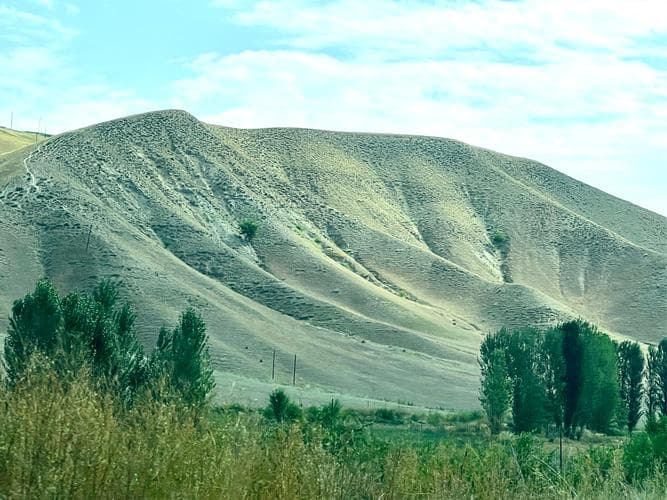
The Altay range sits on one of the planet’s great strewn fields. The Aletai (Altai) meteorite shower scattered fragments across a track hundreds of kilometers long — reportedly the longest single strewn field mapped anywhere — meaning one ancient impact rained iron across what is now northern Xinjiang. Geologists think the parent body broke up in the atmosphere and dropped pieces from the high mountains down toward the plains. So when you stand in Altay, you are standing inside the fallout zone of a cosmic event. The dry, eroded steppe also makes finds easier here than in forested regions where iron would rust away or hide under canopy.
Where to see Xinjiang’s meteorites
The headline object is in Urumqi, but the story lives in Altay. If you only have time for one stop, go to the museum; if you are already routing the north, add the Altai landscape where the shower landed.
| Object / site | Weight | Where to see it |
|---|---|---|
| Armanty (“Silver Camel”) | ~28 t | Xinjiang Regional Museum, Urumqi |
| Smaller Aletai fragments | kg–tonnes | Museums in Altay and Urumqi |
| Fall zone landscape | — | Altay preferred grasslands |
Visiting the Regional Museum
The Xinjiang Regional Museum holds the Armanty in its natural-history hall, usually with a cut sample showing the internal crystal pattern. Go early — the museum is free but busy, and the meteorite sits at the end of a corridor most tour groups skip. Photography is allowed in the hall but without flash. Pair it with the museum’s mummy and mural collections and you have a half-day that frames the whole region better than any viewpoint.
A meteorite-themed route through Altai
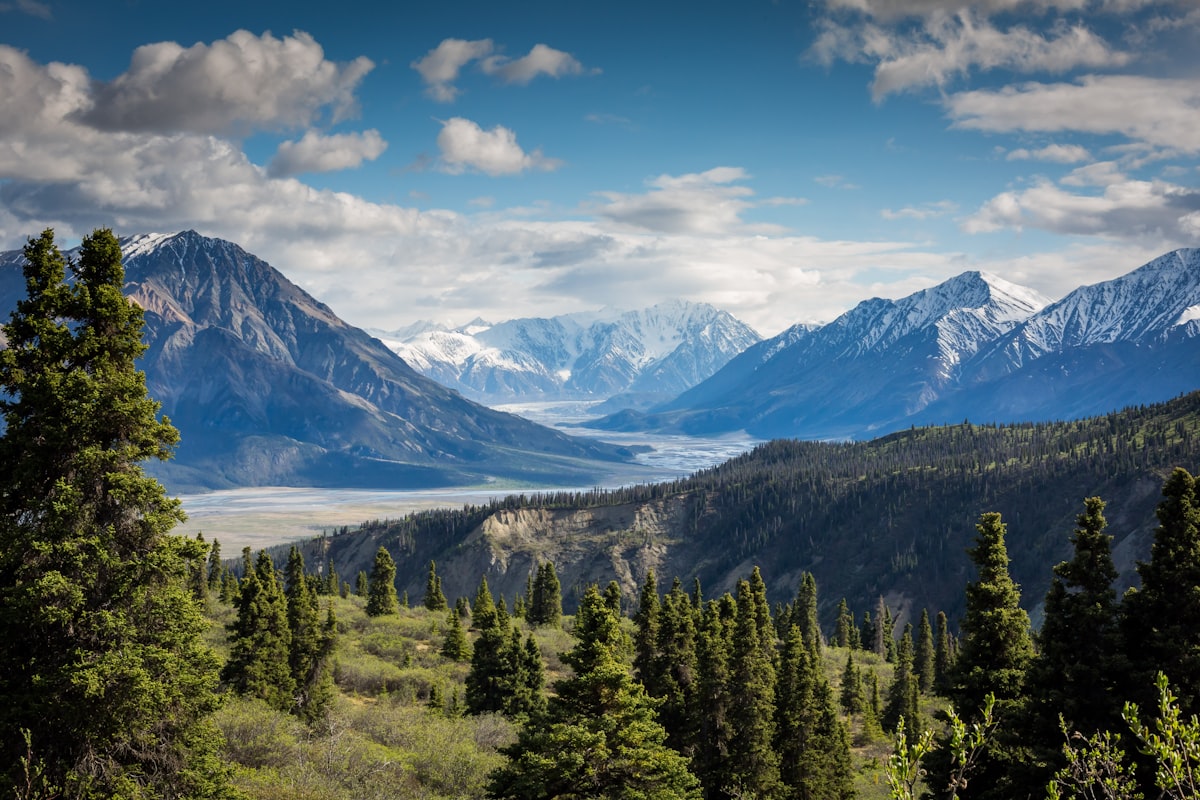
If the space-rock angle pulls you north, build a loop around Koktokay (Keketuohai), whose granite peaks and the “crying river” sit in the same Altai landscape as the fall zone. It is not a guaranteed meteorite sighting — do not expect to pocket one — but the geology context is unbeatable, and the autumn birch color is its own reason to come. Reach Altay by flight from Urumqi (about 1.5 hours) or a long drive north; from Altay city the fall-zone grasslands are a half-day loop. Note that some border-adjacent parts of Altai need a travel permit, so check before you wander far west. And if you are chasing the night sky itself, Altay’s dark skies rank among the best in China for stargazing.
| Stop | Base | Best season |
|---|---|---|
| Xinjiang Regional Museum | Urumqi | Year-round |
| Altay fall zone | Altay city | Jun–Sep |
| Koktokay geopark | Fuyun | Sep–Oct (birch) |
How to tell a meteorite from a “meteorwrong”
Every Altai town has someone selling “real” space rocks. Most are not. A genuine iron meteorite is unusually dense for its size, often has a dark fused crust, and may attract a magnet. A “meteorwrong” — the field term for a rock that merely looks spacey — is usually lighter, shows no flow lines, and does nothing to a compass. The only sure test is a lab analysis of the nickel-iron ratio. If a stall offers you a 10-kilo “meteorite” for pocket change, assume it is slag from a smelter.
| Sign | Real meteorite | Meteorwrong |
|---|---|---|
| Weight for size | Very heavy | Normal rock |
| Magnet test | Usually sticks | Usually nothing |
| Surface | Fused dark crust | Ordinary fracture |
How the Armanty stacks up against the world’s great meteorites
To feel the scale of the Silver Camel, put it next to the other famous iron masses. Hoba in Namibia is the heavyweight at about 60 tonnes and still sits where it fell. Cape York in Greenland — actually a cluster of pieces — totals around 58 tonnes across several finds. Armanty’s ~28 tonnes places it third among single bodies, which sounds modest until you stand next to it and remember it fell as one piece from space. What makes Xinjiang’s specimen special is not just size but accessibility: you can fly to Urumqi and meet it the same afternoon, no polar expedition required.
| Meteorite | Mass | Where |
|---|---|---|
| Hoba | ~60 t | Namibia (in situ) |
| Cape York | ~58 t total | Greenland |
| Armanty | ~28 t | Urumqi museum |
If you go, go with someone who knows where the ground is soft, and go early. The Armanty fragments are not a display case you can queue at; they are a hillside with a story buried in it. That is exactly why the visit stays with you long after the fridge door shuts on the small sample you carried home.
Frequently Asked Questions
Is the Armanty meteorite really the largest in China?
Yes. At roughly 28 tonnes it is the heaviest meteorite recovered on Chinese soil and the third-heaviest single iron meteorite known worldwide. The label in the Urumqi museum states the figure; it is not disputed.
Can I see where the meteorites fell?
You can visit the Altay landscape that forms the fall zone, but the recovered fragments are in museums, not lying on the ground. Treat it as a geology pilgrimage, not a hunting trip.
Why are there so many meteorites in Altai?
Altai lies on the Aletai strewn field, where one ancient impact scattered iron across a very long track. The combination of exposed erosion and open steppe made finds easier here than in forested regions.
Can I buy or collect meteorites in Xinjiang?
Museum pieces are not for sale, and wild collecting on protected land is restricted. Licensed dealers in Urumqi and Altay sell small sourced specimens with paperwork; insist on a certificate if you want to take it home, and verify the magnet-and-weight basics first.
Is the museum display the real rock?
Yes — the hall piece is the genuine Armanty iron meteorite, with a cut slice nearby showing the internal pattern. The “Silver Camel” nickname comes from its humped shape.
Do I need a permit to visit the Altai fall zone?
The city and main grasslands are open, but border-adjacent valleys toward the west can require a travel permit. Build the loop through Altay city and confirm the current rules at your hotel before driving far.