Responsible Tourism in Xinjiang: How to Travel in a Way That Respects People and Place
“Responsible tourism” can sound like a lecture, and the last thing Xinjiang needs is another outsider prescribing how to travel. But after years of moving through Uyghur old towns, Kazakh summer pastures, and Han-run roadside joints, I have learned that small choices genuinely change whether locals welcome you back or brace for the next camera. This is a practical, no-preaching guide to traveling in a way that leaves a place a little better than you found it — written for people who just want to do right without turning the trip into a charity project.
Start With Who You Pay
The single most effective thing you can do is route money to the families and makers who live there. That means eating in locally owned restaurants, buying crafts from the person who made them, and choosing a homestay or family guesthouse over a generic chain when one is available. Tourism money is uneven in Xinjiang; the more that reaches a herder’s yurt or a baker’s oven, the more the culture stays alive. It is not complicated — it is just intentionality about where the bill lands.
The Do / Don’t Shortlist
| Do | Don’t |
|---|---|
| Buy direct from artisans at the bazaar | Haggle a poor family down to the bone for sport |
| Ask before photographing people | Point a lens into someone’s doorway uninvited |
| Learn a few greetings in the local language | Assume everyone speaks or should speak yours |
| Carry out your trash at lakes and pastures | Treat remote sites as free dumping grounds |
| Respect mosque and home etiquette | Wander into private courtyards “for the photo” |
| Pay herders and hosts directly | Route every yuan through a distant middleman |
Buy Direct, Not Mass-Produced
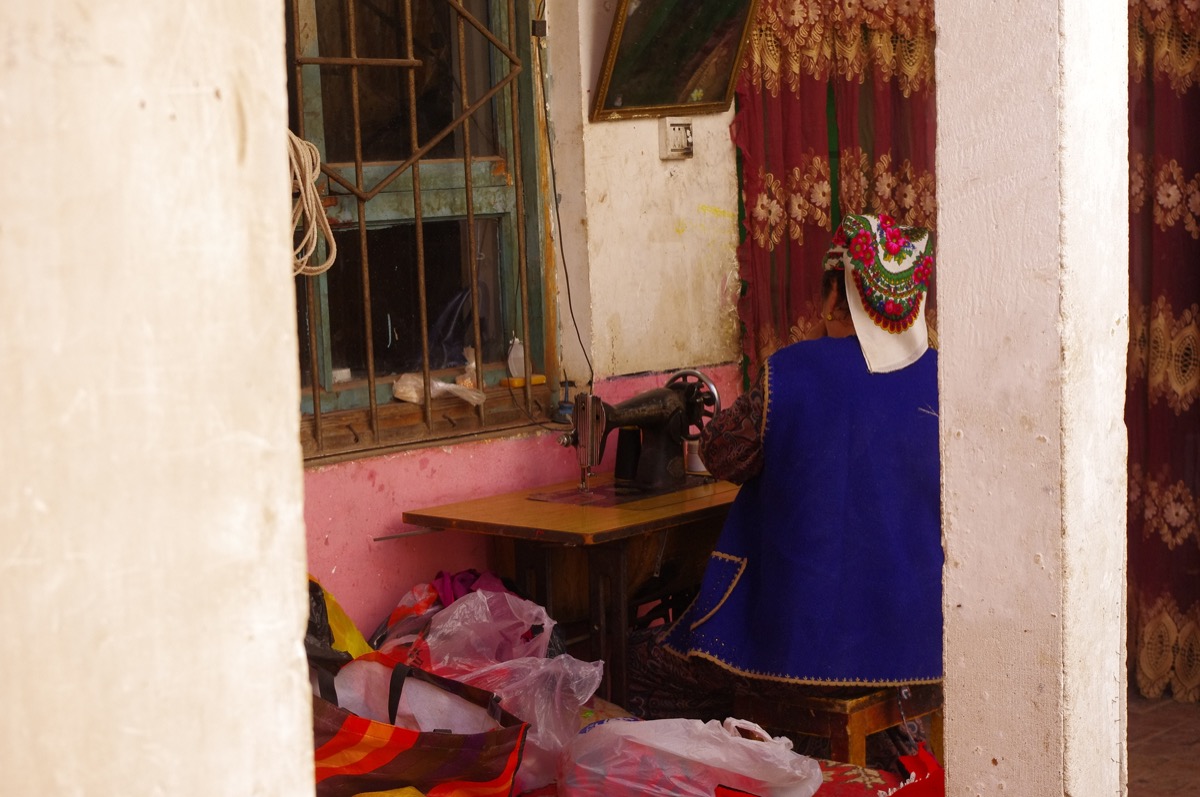
A carpet bought from the weaver, a knife from the smith, or a bag of dried fruit from the grower keeps skill and income local. The same item in an airport shop may be imported from elsewhere entirely. Ask where it was made; a real maker will tell you the village, the pattern, and probably the name of their teacher. That conversation is itself part of the value.
Tread Lightly at Sensitive Sites
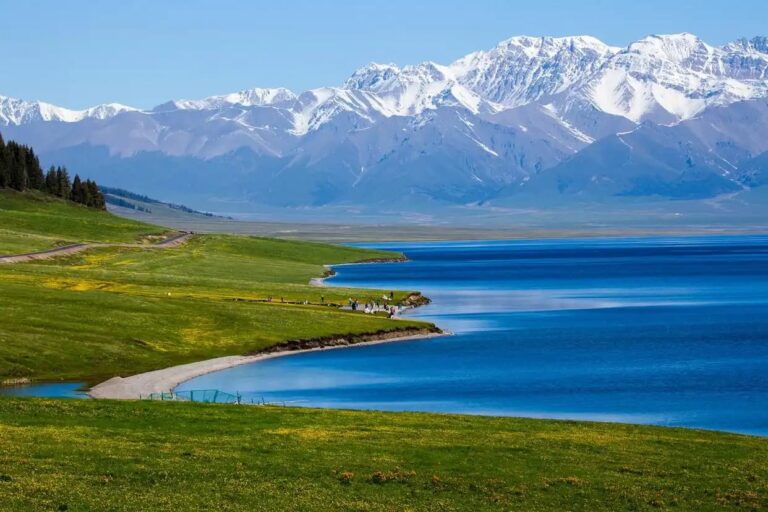
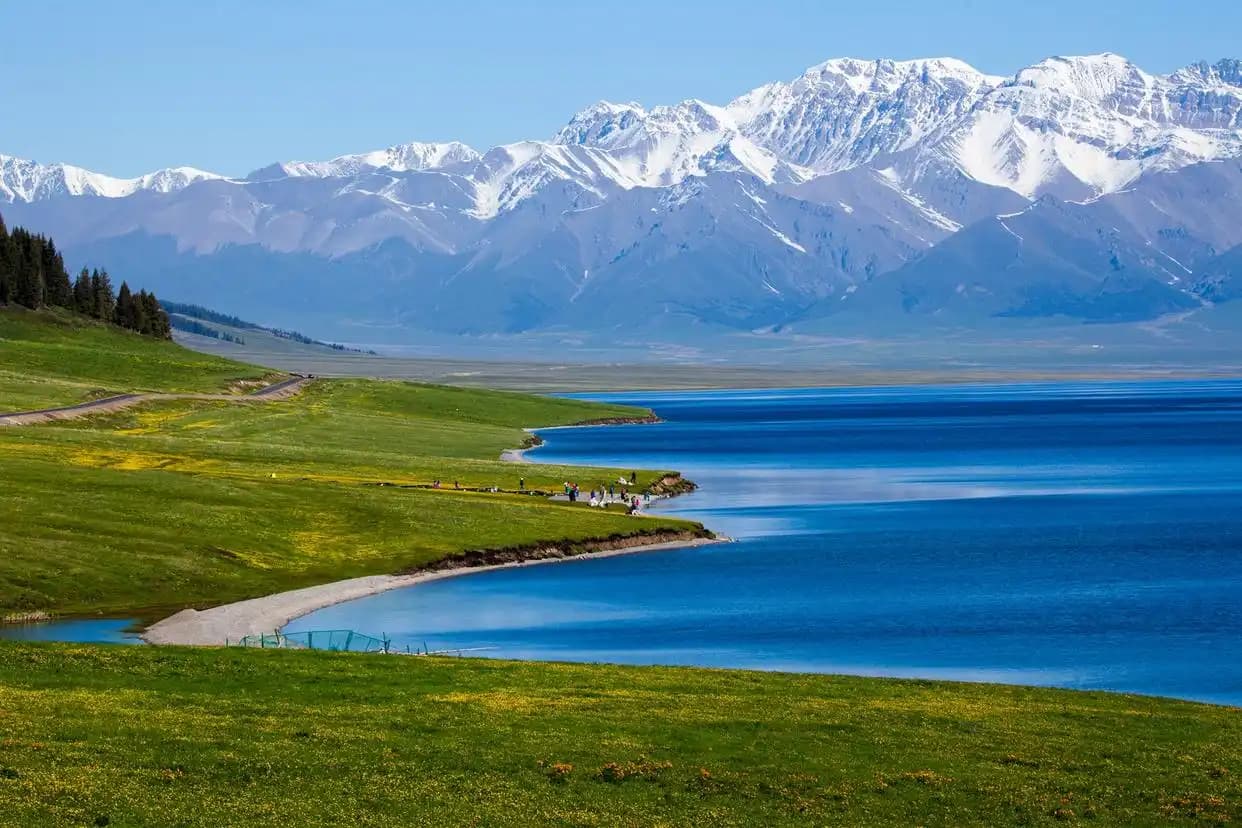
Kanas, Sayram, and the Pamir lakes are fragile and enormously popular. Stick to marked paths, never drive onto grassland, and pack out what you pack in. The safety picture for visitors is stable, but environmental care is a daily personal choice that no checkpoint enforces. A lakeside left cleaner than you found it is a small, real win. The Leave No Trace seven principles are a useful shorthand on the ground, and much of the high country you cross — including the Tianshan — is protected as UNESCO World Heritage.
Photography and Consent
Xinjiang is photogenic to the point of overwhelming, and the people are often the best part of the frame. The rule I use: if a face is the subject, a nod or a word of permission comes first. Offering to show the photo on your screen nearly always turns a guarded moment into a warm one, and sometimes into an invitation for tea. The best portraits in my archive are the ones I was invited to take, not the ones I stole. When light and timing matter as much as the subject, pair it with a plan from this Xinjiang photography guide.
Supporting Nomad and Pasture Communities
Summer pastures (the yaylak) are working landscapes, not theme parks. If you stay in a yurt camp, pay the herding family directly when possible, buy their dairy products, and don’t treat their children as props. A few extra yuan for fresh kaymak does more than a tip left at the gate. Ask before entering a tent that is not part of the tourist setup — many are private homes.
Water, Waste, and the Long Road
Outside the big cities, waste disposal is strained and water is precious. Refill a bottle where you can, skip single-use plastics on road trips, and never assume a roadside stop has recycling. On multi-day drives, carry a small bag for your own rubbish; the desert keeps what you leave. These habits matter more here than they would at home, simply because the system is thinner.
Responsible Shopping: What to Avoid
Not every “local” souvenir helps a local. Skip anything made from endangered species, unprotected antiquities pulled from archaeological sites, or mass-produced “ethnic” decor shipped in from elsewhere. A genuine item usually comes with a story you can verify and a maker you can meet. If a seller cannot tell you where something was made, assume it was not made here, and your money is better spent at a weaver’s loom or a baker’s oven. The test I use: would I be happy for this purchase to represent the place to a friend back home?
Community Tourism Done Well
The best examples are small and quiet: a yurt camp run by the family whose sheep you can see, a cooking evening in someone’s kitchen, a village guesthouse where the host eats with you. These are not always easy to find through apps, which is exactly why asking your hotel concierge or a regional operator who lives there pays off. When it works, you leave with friends and they keep a livelihood — the definition of travel that gives back without turning anyone into an exhibit. Avoid any setup that stages poverty or “tribal” performance for a camera; that is the opposite of responsible.
Language as a Form of Respect
You do not need fluency, but learning even five words — a greeting, thank you, please, delicious, goodbye — changes how you are received. It signals that the place is worth the effort, not just a backdrop for your photos. Locals consistently open up to the traveler who tries, however badly, over the one who expects translation on demand. A translation app covers the rest, but the five words do the relationship work.
Being a responsible visitor in Xinjiang mostly means accepting small inconveniences without turning them into a complaint. I got asked to remove my shoes at a home, I waited ten extra minutes while a family finished a blessing, and I paid a village price instead of a market price. None of that cost me anything I needed, and all of it bought me more honesty than any guided tour has ever delivered.
Frequently Asked Questions
Is responsible tourism in Xinjiang even possible as a foreign visitor?
Yes, within normal travel limits. You may not reach every community, but where you do go — markets, guesthouses, restaurants, parks — your spending and behavior have real local effect. The achievable version is worth doing, even if it is not perfect.
How do I know if a homestay is genuinely local?
Look for one run by a named family, with home-cooked meals and a working household around you, not a concrete compound with “ethnic decor.” Reviews that mention the host by name are a good sign. Booking through a regional operator who lives there helps filter the real from the staged.
What’s the right way to bargain?
Bargaining is expected in bazaars, but it is a conversation, not a fight. Set a price you’d be happy paying, and stop when the seller agrees. If the gap is tiny, just pay it — the difference is someone’s grocery money, not a victory.
Can I volunteer or give to communities?
Casual “voluntourism” usually helps the visitor more than the place. Better to pay fairly for goods and stays, and if you want to give, ask a local NGO or your guesthouse host what is actually needed rather than handing out cash or sweets to children, which can encourage dependency.
How do I minimize my environmental footprint?
Carry a refillable bottle and treat water carefully in remote areas, take buses or share rides where they exist, and never litter at scenic sites. The popular lakes are busy enough that collective small acts matter more than any single grand gesture.
Is it okay to talk about local culture with people I meet?
Absolutely — with curiosity and respect. Most people are happy to share food traditions, festival dates, and local history. The line is treating anyone as a representative spokesman for an entire people; just enjoy the conversation as one person’s story, not a documentary interview.