Traveling Xinjiang with a Baby (0–12 Months): A Real-World Infant Road Guide
People told me Xinjiang was “too big, too dry, too high” for a baby. We went anyway when our daughter was nine months old, and it turned out to be one of the easiest trips we have taken — precisely because the region is built for road stops, big hotels, and warm hospitality toward children. This is the guide I wrote for the version of us that existed before the trip: the parents of an infant (roughly 0–12 months) wondering if traveling Xinjiang with a baby is sane. Short answer — yes, with the right plan, and probably easier than you fear.

The Two Real Challenges
Everything else is manageable; these two deserve your attention before you book:
Altitude
Most of the classic route — Urumqi, Turpan, Kashgar, the Ili valley — sits between 500 and 1,500 m, which is fine for healthy infants. The Pamir Plateau (Tashkurgan) and some passes climb above 3,000 m, where pediatric guidance is to ascend gradually and watch for unusual fussiness, poor feeding, or lethargy. We simply skipped the Pamir with the baby and did it on a later adults-only trip. No regrets. If you do want high country, give the baby a night at a middle elevation first and watch closely.
Water and formula
Do not rely on boiling tap water on the road. Carry sealed bottled water for mixing formula, and pack more than you think. Supermarkets in every city stock international formula brands, but the exact type your baby uses may not be there — bring a full supply from home, plus two days’ spare in case of a delayed flight.
What to Pack for an Infant
| Item | Why it matters in Xinjiang | Quantity |
|---|---|---|
| Formula + bottled water | Tap water not reliably boilable on the go | Full trip supply + 2 days spare |
| Lightweight stroller | Many old-town streets are uneven cobble | 1, with all-terrain wheels |
| Humidifying nasal spray | Dry air at 30–50% humidity | 1 bottle |
| Sun shade + hat | UV is intense at altitude and latitude | Per day use |
| Baby meds (acetaminophen) | Pharmacies vary in English labeling | From your pediatrician |
Routes That Work With a Baby
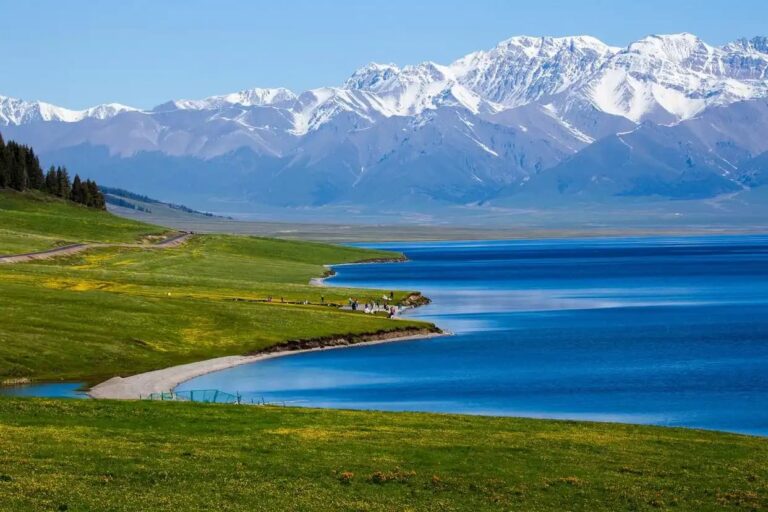
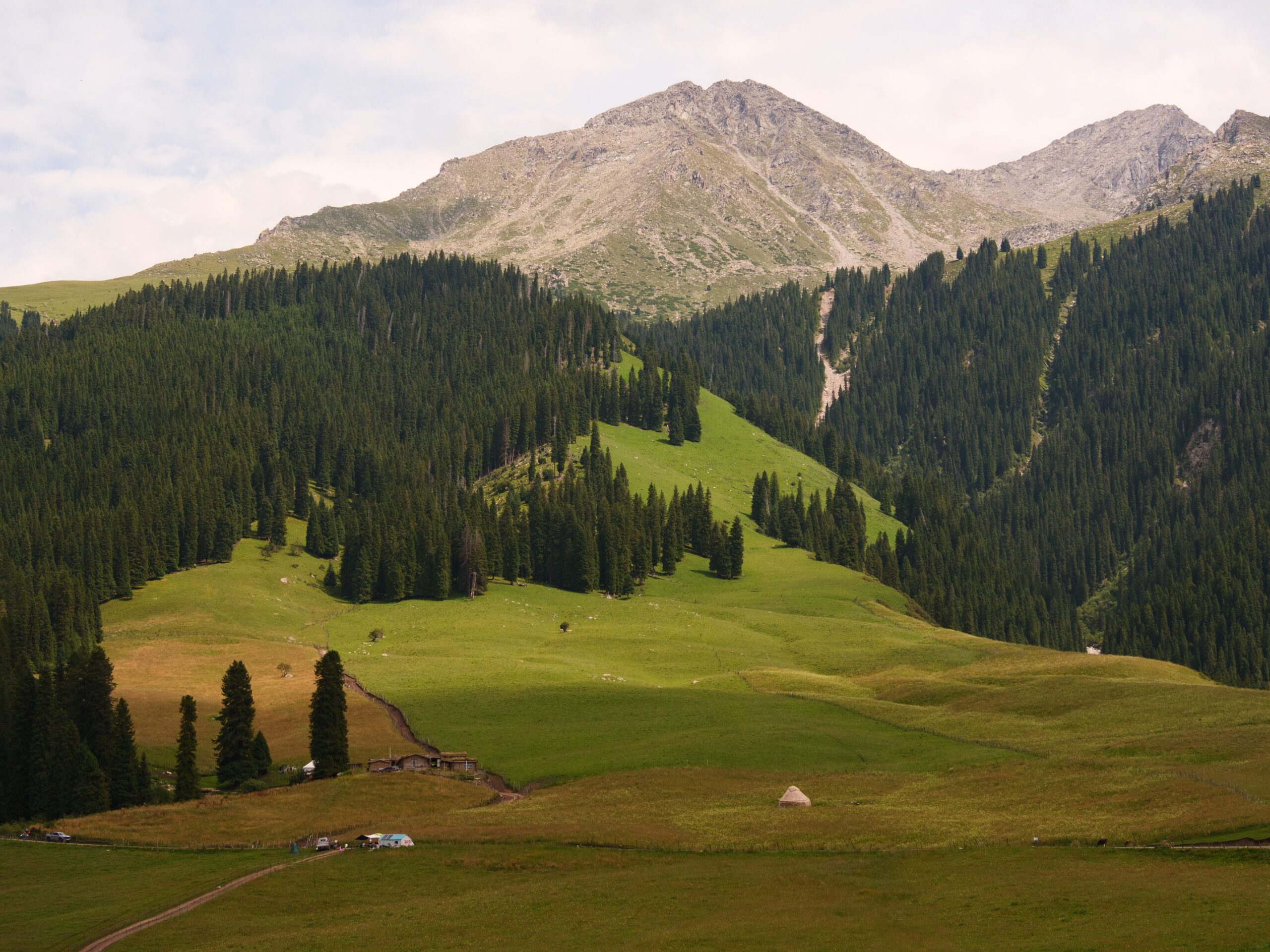
The northern loop — Urumqi, Heavenly Lake, Ili, Sayram — is the gentlest: good roads, frequent towns, and hotels with elevators. Kashgar’s old town is stroller-challenging (cobbles, steps) but flat and walkable if you accept carrying the baby part of the time. For the bigger family picture, our toddlers-and-babies guide covers the next age bracket, and the best-time guide helps you dodge the extreme heat of July–August and the deepest winter cold, both of which are harder on a small child than on you.
Clinics and peace of mind
Every prefecture-level city has a children’s hospital or a pediatrics department in the main hospital. Save the Chinese name of the nearest one to your hotel in your phone before you need it. Pharmacies (药店) are everywhere; for anything prescription, a hospital visit is the reliable path, and English-speaking staff are more common in the big-city facilities than you might expect.
Feeding on the Road
If you are breastfeeding, the dry air makes you thirstier than usual — drink more than feels necessary and you will keep your supply steady. For formula, mix with your bottled water and use a thermos of just-boiled water from the hotel kettle for sanitation. Restaurants are accommodating: a plain bowl of congee (粥) or steamed egg (蒸蛋) is an easy first solid, and most hotel buffets have both. Avoid the heavy lamb dishes for the baby; the local food is delicious but rich for a tiny stomach.
Sleep and Daily Rhythm
We shifted sightseeing to early morning and late afternoon and kept midday for naps in the hotel. Xinjiang’s long daylight (sunset after 9 pm in summer) is a hidden gift — evening walks with a calm baby became the best part of the day, and the late sunset meant we were never racing the clock. Buffet hotel breakfasts were a win: quick, flexible, and baby-friendly plain food. A portable blackout cover for the stroller or a travel crib sheet helped the baby sleep in unfamiliar rooms.
Getting Around With a Baby
Trains in Xinjiang are modern and have baby-changing space in the nicer restrooms; a soft sleeper cabin is genuinely comfortable with an infant. Domestic flights within the region are short and save long drives, but book a bassinet in advance and expect the usual airport walking. By car, a rear-facing seat is mandatory and easy to arrange with rental companies in the big cities if you request it when booking. We mostly did a mix: fly the long hops, drive the scenic short ones.
Frequently Asked Questions
Is Xinjiang safe for a baby?
Yes. The main cities and tourist routes are calm and family-oriented. The only real considerations are altitude on the Pamir and the dry climate, both easy to plan around.
Can I buy diapers and formula there?
Diapers of major brands are in every supermarket. Formula is available but may not be your exact brand — bring your own to be safe.
Which areas should I avoid with an infant?
Skip high Pamir passes (above ~3,000 m) and very remote desert stretches with no towns. Keep to the northern and central routes for a first trip.
How do I handle the dry air?
Saline nasal spray, a small room humidifier (or a wet towel on the radiator), and frequent small water sips if the baby is on solids. Lip balm for you too.
Is a stroller or a carrier better?
Bring both. A stroller for malls, airports, and promenades; a carrier for old-town cobbles, stairs, and hikes. The carrier got more use than we expected.
Do hotels have cribs?
Mid-range and above hotels in the big cities usually have cribs on request, but confirm when booking and don’t count on one in smaller towns — a compact travel crib is the safe bet.
A Baby Health Kit That Actually Fits
You do not need a pharmacy, but a small kit saves a bad afternoon. I carry: infant acetaminophen (dosed by weight, from our pediatrician), a digital ear thermometer, saline drops and a nasal aspirator for the dry-air congestion that hits around day three, a small tube of zinc diaper cream, oral rehydration sachets, and a few sticky-bandage cartoons for the inevitable tumble. Keep it in a single zip pouch you always know the location of. Pharmacies stock most of this, but labeling in English is patchy and you do not want to be decoding a box at 10 pm with a crying baby.
Altitude and the baby’s ears
The bigger annoyance than altitude is the pressure change on flights and the occasional mountain pass. Offer a bottle or nurse on ascent and descent so the baby swallows and clears the ears; a pacifier works too. We had no ear trouble on any of the short regional flights, and the passes on the northern route are low enough not to matter.
Dealing With the Inevitable Cranky Day
Even with perfect planning, one day will go sideways — a missed nap, a too-long drive, a restaurant that takes forever. The thing that saved us was lowering the bar: on those days we went back to the hotel by 4 pm, ordered room-service congee, and let the baby reset. Xinjiang is not a place you can rush, and a baby makes that official. The towns are walkable and forgiving, and the long evenings mean you lose nothing by conceding the afternoon. Some of our best memories are the low-key ones — a quiet courtyard, a warm bottle, the call to prayer drifting in — not the headline sights.
One Last Practical Note: Laundry
You will generate more baby laundry than you expect, and many hotels offer same-day laundry service cheaply. Pack two days of clothes and plan to wash, rather than hauling a week of onesies. A small travel clothesline and a few quick-dry items mean you are never stuck. This sounds minor until day five, when it is the difference between a calm morning and a wardrobe crisis.