Xinjiang Road-Trip Packing List: What to Bring for the Long Drives
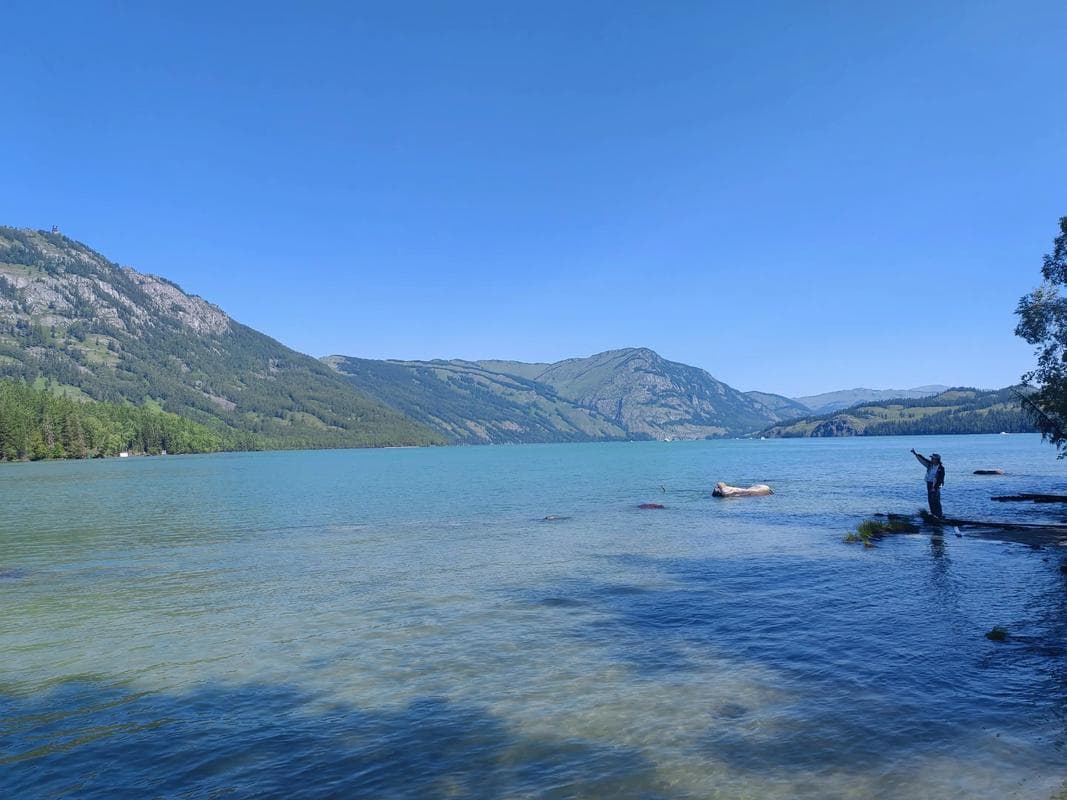
Xinjiang is about the size of Western Europe, and the distances between highlights are no joke. My first self-drive loop from Urumqi to Karakul Lake covered more than 1,500 kilometers in four days, and the weather swung from 30 degrees in the desert to near freezing on the Pamir at night. Packing for that kind of trip is less about fashion and more about not getting caught out. This is the list I wish I had before the first long drive.
The Packing List at a Glance
Here is the skeleton, grouped so you can tick boxes the night before you leave.
| Category | Must bring | Why it matters here |
|---|---|---|
| Documents | Passport, China visa, border permit, driver license, hotel prints | Checkpoints are frequent on remote roads |
| Clothing | Wind layer, warm mid-layer, sun hat, sunglasses | Big day-night temperature swings |
| Health | Sunscreen, lip balm, altitude meds, stomach remedy | Dry air, strong sun, high passes |
| Tech | Offline maps, car charger, power bank, VPN-free backup | Signal drops for hours |
| Car | Spare tire, jack, windshield fluid, snacks and water | Long gaps between services |
Documents and Permits First
Before anything else, sort your paperwork. Foreign travelers need a valid China visa and, for the southern border zones like Kashgar’s Pamir area, a border permit issued in the city. Police checkpoints appear on main highways, and they will wave you over. Keep passport and permit in an easy pouch, not buried in a suitcase. Printed hotel bookings help at roadside checks when your phone has no signal.
Make two photocopies or phone scans of every document and store them separately from the originals. The originals ride in the pouch; the copies live in the cloud and in a different bag. If something goes missing at a remote stop, having a legible scan turns a crisis into a paperwork delay, and that difference is enormous when the next town with a consular office is a day’s drive away.
Dressing for the Swings
The single biggest packing mistake is assuming Xinjiang is uniformly hot. The Taklamakan rim bakes in summer, but the Tianshan and Pamir passes sit at altitude and turn cold after sunset. I pack a light wind shell, a fleece, and a sun hat, then layer. A good pair of sunglasses is not optional: desert glare and high-altitude UV both bite.
Footwear deserves its own line. You will walk a lot, on everything from polished museum floors to loose gravel at a lake viewpoint, so one pair of broken-in shoes beats three new ones. In spring the steppe mud is real, and in autumn the passes can dust you with early snow, so a shoe you can wipe down matters more than a pretty one.
Health Kit You Will Actually Use
The air is dry enough to crack lips in a day, so lip balm and a basic moisturizer earn their space. Sunscreen matters even when it is cool. If your route crosses passes above 3,000 meters, bring whatever altitude remedy you trust, and give yourself a slow first night. A small supply of stomach medicine is wise because roadside food is delicious but unfamiliar, and a tiny first-aid roll with bandages handles the blisters that long walking days produce.
Tech That Does Not Rely on Signal
Download offline maps before you leave the city. Cell coverage disappears for long stretches on the Duku Highway and the southern loop, and you do not want to discover that at a fork with no signage. A car charger and a power bank keep navigation alive, and a paper backup of key town names in Chinese characters helps when you need to ask locals. I also screenshot the route each morning so a dead battery still leaves me with the day’s plan staring up from a locked screen.
Car Essentials for the Long Gaps
Service stations are spaced far apart on the open roads. Check the spare tire and jack before departure, top up windshield fluid because dusty stretches eat through it, and carry at least two liters of water per person plus snacks. A dead phone and an empty tank between towns is a situation you can avoid with ten minutes of prep.
If you are in a rental rather than your own car, photograph the pickup condition and confirm the spare is actually there before you leave the lot. I have met travelers who discovered at a remote stop that the “spare” was a flat repair kit instead of a wheel. A small flashlight and a paper road atlas sound old-fashioned until the phone dies at dusk on a road with no name, and then they are the best things in the boot.
Money and Connectivity Reality
Two practical notes that catch first-timers. First, mobile payment rules in China, but foreign cards do not always bind cleanly to the local apps, so carry cash as a backstop even if you plan to pay by phone. Second, a VPN that works at home may not work on Chinese mobile networks, so do not rely on it for maps or email once you are on the road. Set up offline access and a backup email before you leave the hotel wifi on day one, and the rest of the trip stays smooth. Doing this prep in an hour saves a bad afternoon later.
Food, Water, and Money
Markets close early outside big cities, so buy fruit, bread, and nuts the afternoon before a driving day. Keep small cash as well as mobile payment; rural fuel stops and roadside nan ovens are not always wired for cards. The best time to visit Xinjiang page helps you time routes around road closures, and our transportation in Xinjiang guide breaks down the driving rules you need to know.
One last road habit: tell someone your plan each morning and share the hotel and next town names. Coverage is patchy off the main arteries, so a friend who knows roughly where you are is your cheapest insurance. None of this is scare-mongering; it is the boring prep that lets you enjoy the absurd scenery instead of worrying about the next gap in the map.

Everything on my list earns its place twice over. The Powerbank drives the satnav and the phone camera, the spare tyre has saved two friends, and the small daypack keeps the water bottle out of the hotel bed at 2,000 m altitude. What I cut after three failed trips was weight I never actually used. The packing list is only useful if it is short enough that you can still close the boot.
Frequently Asked Questions
Do I need a 4×4 for Xinjiang road trips?
For paved routes like the Duku Highway and the main southern loop, a normal rental sedan or SUV is fine. Only purpose-built adventure tracks need real off-road gear, and those are rare for first-time visitors.
How much water should I carry?
Two liters per person per driving day is a safe floor, more in summer. You can refill in towns, but the gaps between them can be 200 kilometers or more.
Is the Duku Highway open year round?
No. The high section typically closes from late autumn to early summer because of snow. Plan around the opening window or you will be rerouting at the last minute.
Can I rely on my phone for maps?
Only with offline downloads. Coverage is good in cities and patchy to nonexistent on mountain and desert roads, so pre-load the regions you will drive.
What about fuel on remote stretches?
Fill up whenever you see a station in rural areas rather than waiting for the next one. Stations are frequent near cities but sparse on the open steppe and desert highways.