Xinjiang Hot Pot: From Spicy Bowls to Highland Lamb Broth
On a February night in Urumqi, after a day of -20°C wind off the Tianshan, I followed a friend into a steamy basement restaurant where a pot of bubbling lamb broth sat at the center of the table. That first bite of hand-pulled mutton dipped in a garlicky sauce rewired my idea of Xinjiang food. Hot pot (火锅, huǒguō) here is not the fiery Sichuan style most travelers know — it is a highland, meat-forward tradition built for cold and community. This guide walks through Xinjiang’s hot pot culture, what goes in the pot, and where to try it.
Xinjiang Hot Pot Is Its Own Thing
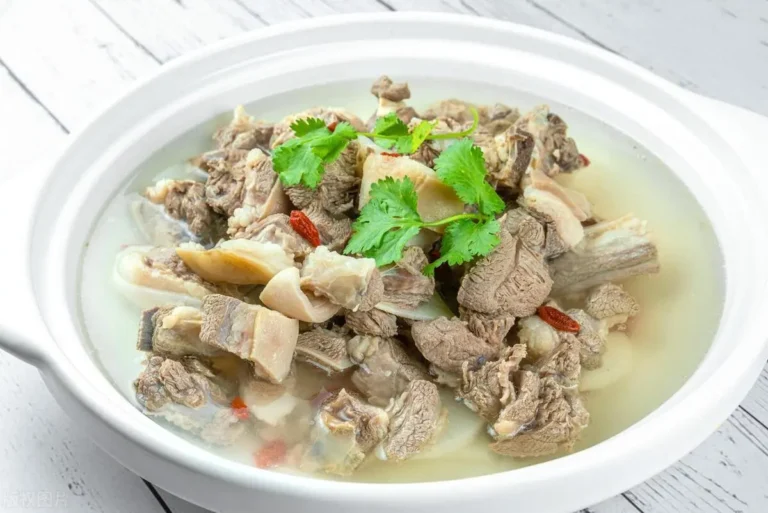
While Chongqing’s red-oil cauldron dominates Chinese hot pot globally, Xinjiang’s version leans north and west. The baseline is a clear or milky lamb/mutton broth, sometimes with tomato (a Xinjiang twist, thanks to the region’s superb tomatoes), goji berries, and a few spices. The result is soothing rather than numbing — perfect fuel after a day on the mountain passes.
What Goes in the Pot
| Ingredient | How it’s served | Why it works |
|---|---|---|
| Leg of lamb / mutton slices | Paper-thin, quick-blanch | Local pasture sheep, sweet and lean |
| Beef | Thin rolls | Common in northern cities |
| Lamb meatballs | Hand-formed, simmered | Absorbs broth, kids love it |
| Tofu & frozen tofu | Cubes | Soaks up flavor |
| Potato, cabbage, ribbon fungus | Chunks | Balances the richness |
| Wide noodles | Added last | Turns it into a full meal |
The Tomato Broth Trend
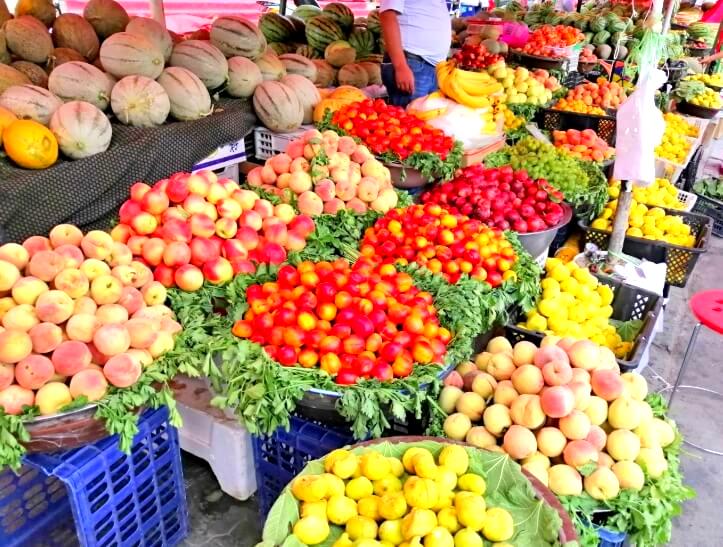
Xinjiang grows some of China’s best processing tomatoes, and a tomato-based hot pot has become a local signature — slightly sweet, tangy, and naturally rich in color. Many restaurants offer a “yuanyang” (twin) pot: one side tomato, one side mild pepper, so everyone is happy.
Dipping Sauces: Build Your Own
Unlike Sichuan’s standardized mixes, Xinjiang tables offer a sauce station. My go-to: sesame paste + crushed garlic + a splash of vinegar + chopped cilantro + a little chili oil. The sesame paste (麻酱) tempers the gaminess of lamb beautifully. Ask for “zhima jiang” if you don’t see it.
Etiquette at the Table
- Don’t fish with your own chopsticks then return them to the pot — use the serving ladle.
- Cook meat thoroughly; underdone mutton is chewy and risky.
- The host often orders and pays; offering to split the bill is appreciated but not required.
Hot Pot vs. Other Xinjiang Winter Foods
Hot pot shares the table with the broader Xinjiang food tradition of hearty, warming dishes. Where dapanji (big plate chicken) is a one-pot stew you scoop over noodles, hot pot is interactive — you cook at the table. Both are winter essentials, and many nights I’ve done one then the other across two meals.
Where to Eat Hot Pot in Xinjiang
| City | What to expect | Price per person |
|---|---|---|
| Urumqi | Modern chains + Hui-run lamb pot houses | ¥60–120 |
| Kashgar | Uyghur-style tomato & mutton pots | ¥50–90 |
| Yining (Ili) | Russian-leaning broth, dairy-rich | ¥55–100 |
| Turpan | Smaller, family spots, spicy options | ¥45–80 |

A Sample Order for Two
Not sure what to ask for on your first visit? Here is a balanced spread that feeds two comfortably:
| Item | Qty | Why |
|---|---|---|
| Lamb slices | 2 plates | The star — sweet, lean pasture meat |
| Lamb meatballs | 1 bowl | Shared, gentle on the stomach |
| Tofu + frozen tofu | 1 each | Soaks up the broth |
| Wide noodles | 1 portion | Turns it into a full meal |
| Cabbage + potato | 1 plate | Balances the richness |
| Sesame sauce set | 2 | For dipping |
Regional Twists Across Xinjiang
Hot pot is not identical from city to city. In Urumqi you’ll find slick chain restaurants with split “yuanyang” pots and sauce bars loaded with options. Kashgar leans Uyghur: a clearer mutton broth, more cumin, and flatbread torn in at the end. Up in Yining (Ili), the Russian and Kazakh influence shows in dairy-rich broths and a habit of adding sour cream to the dip. Down in Turpan, where it’s hot even in winter by Xinjiang standards, you’ll see lighter broths and more vegetable-heavy pots. Wherever you are, the ritual is the same: sit, simmer, share.
Health and Safety Notes
Hot pot is safe when cooked properly. Blanch thin lamb for just 20–30 seconds until it changes color, but simmer meatballs and tofu longer. Avoid double-dipping with mouth-used chopsticks — use the serving ladle to move food to your bowl. If you have a red-meat sensitivity, load up on tofu, mushrooms, and noodles instead. And pace yourself: a long, slow hot pot is a marathon, not a sprint, especially at altitude.
What it actually costs, line by line
| Item | What it costs | Note |
|---|---|---|
| cost | ¥50 | Budget ¥50–120 per person depending on city and how much meat you order. Shared pots are cheaper per head; ordering premium lamb racks bumps the bill up. |
The numbers above are what I paid on my own trips; add roughly a fifth for a private car and driver if you are travelling with someone else. Anything marked roughly is a bazaar price in high season, and it moves with demand.