Xinjiang Currency Exchange and Getting Cash: A Practical Guide
I landed in Urumqi once with a wallet full of US dollars and the firm belief that an airport exchange desk would solve everything. The desk was closed, the only open counter wanted a 6% fee, and my card was rejected at the first shop. Xinjiang runs almost entirely on the Chinese yuan and on mobile payment apps that foreign cards can’t always reach. Getting your money sorted before and during the trip is the single most practical thing you can do. This guide covers where to exchange, how ATMs behave, the mobile-pay gap, and the specific mistakes that strand travelers — the kind of detail I wish someone had handed me on that first confused morning.
The Basics: What You’re Using
The currency is the Chinese yuan (RMB), also called renminbi. Notes come in 100, 50, 20, 10, 5 and 1; coins are 1 yuan and smaller jiao denominations that you’ll rarely need. Prices everywhere are quoted in yuan. Outside the major cities, cash is still king at small restaurants, taxi ranks, and rural guesthouses, even though the cities themselves have gone nearly card-free. Get comfortable with the look of the notes early — the 100 yuan bill is pinkish-red and easy to confuse with the orange 50 when you’re tired.
Where to Exchange Money
| Option | Best for | Typical fee | Notes |
|---|---|---|---|
| Bank of China branch | Large cities | 0-1% | Most reliable; bring passport |
| Airport exchange counter | Arrival cash | 4-6% | Convenient but expensive |
| Hotel front desk | Emergency | 2-4% | Low limits, poor rate |
| ATM withdrawal | Ongoing cash | Bank + foreign fee | Use UnionPay network |
ATMs and UnionPay
China’s domestic card network is UnionPay, and most foreign cards (Visa, Mastercard, Amex) now work at Bank of China, ICBC, and some CCB machines, but not all. Withdrawals incur your home bank’s foreign fee plus a local one, often totaling 3-5%. Always withdraw a sensible lump sum in a city rather than hunting for a working machine in a county town where only UnionPay domestic cards are accepted. Carry a backup card on a different network, because a single declined card can leave you stuck for days in a remote area.
Mobile Payment: The Gap Tourists Hit
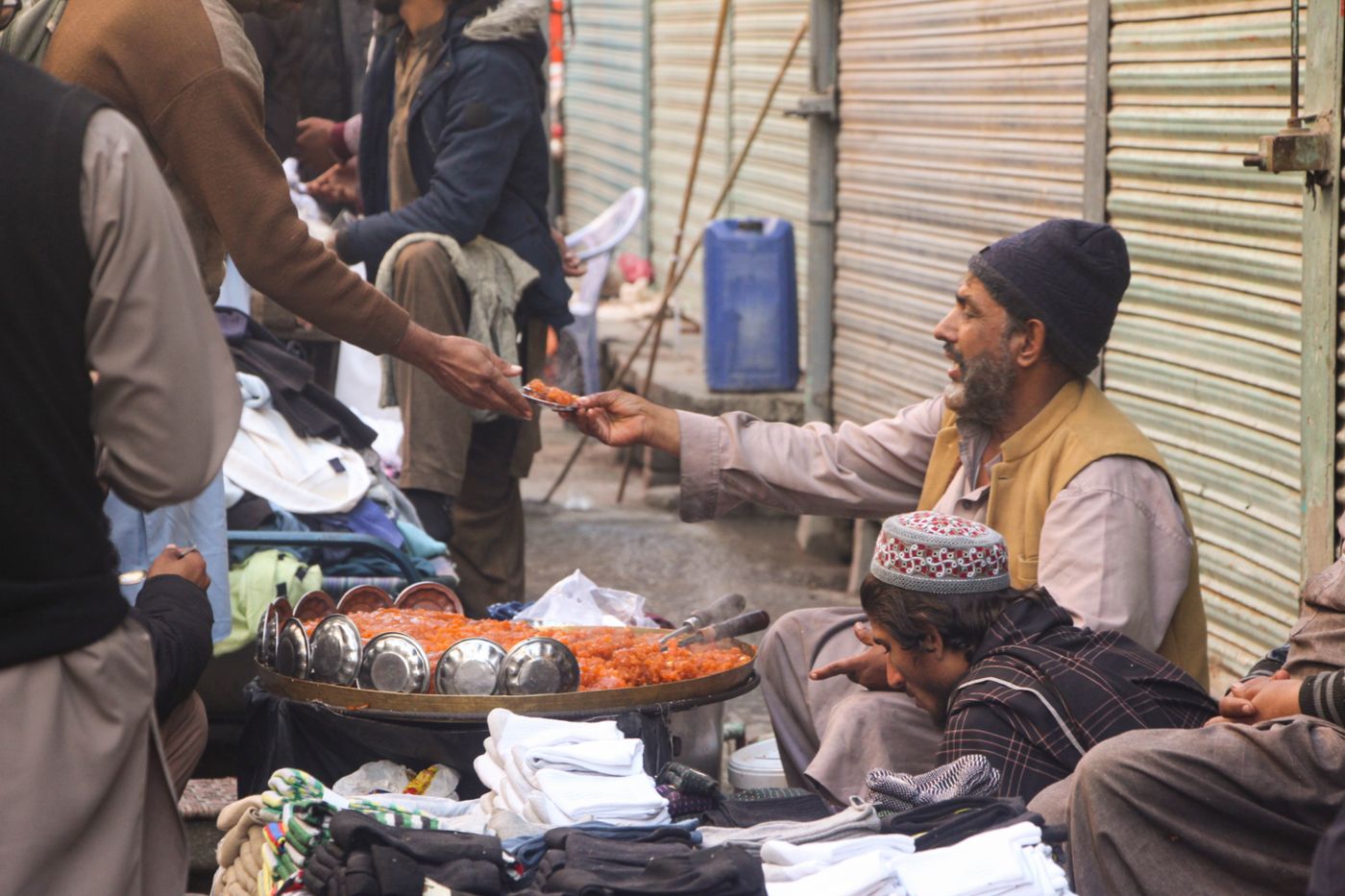
In Urumqi and other big cities, locals pay with WeChat Pay and Alipay. Linking a foreign card to these apps is possible but unreliable, and many small vendors have no cash option at all. Before relying on it, test the setup at home. If it fails, you’ll fall back on cash — which is exactly why the mobile pay and cash in Xinjiang advice about carrying a buffer matters. I have stood in a downtown Urumqi teahouse that simply could not take my card or cash-free app, and only a wad of small notes got me out.
How Much Cash to Carry
Plan for 200-400 yuan per day in smaller towns, more if you’re paying for transport or guesthouses in remote areas. On the classic routes through Xinjiang, road trip budget items like fuel, tolls, and roadside meals are cash transactions. Keep large notes for hotels and small ones for markets; vendors often can’t break a 100 in a village, so ask for a mix of denominations whenever you withdraw. A good habit is to break a 100 at every supermarket you visit so you always have tens and twenties on hand.
Which Cards Actually Work
In my experience, plain Visa and Mastercard debit cards perform best at Bank of China and ICBC machines, while American Express is accepted far less often and sometimes not at all outside Urumqi. Credit cards are useful for hotel bills in the big cities but are refused by most small businesses. A card with no foreign-transaction fee saves you a surprising amount over a two-week trip, since the per-withdrawal charges add up quickly and erode a budget faster than most travelers expect. If your bank offers a UnionPay-branded travel card, grab one before you fly — it slides into any local ATM and avoids the foreign-card rejection lottery entirely.
Before You Leave Home
Call your bank and enable international transactions and ATM use; frozen cards are the most common money disaster in Xinjiang. Note your card’s daily withdrawal limit and raise it if needed, since you may need several hundred dollars’ worth of yuan at once. Photograph the front and back of every card and email it to yourself, and save your bank’s international helpline. None of this takes more than ten minutes and it prevents the worst-case scenario.
Exchanging at the Border Towns
If your route enters Xinjiang from Central Asia via Khorgos or Torugart, you may arrive holding Kyrgyz som or Kazakh tenge. The border exchange booths are convenient but offer the worst rates of the whole journey, so change only what you need for the first taxi and a meal, then finish the exchange in Urumqi or Ghulja where competition is real. Keep a few units of the neighboring currency as a souvenir; it makes a neat bookmark and costs almost nothing.
Common Mistakes

- Assuming cards work everywhere — they don’t outside tier-1 spots.
- Exchanging at the airport out of panic — the rate is the worst in the region.
- Forgetting your passport at the bank — it’s mandatory for any exchange.
- Not telling your bank you’re traveling — cards get frozen mid-trip.
- Carrying only 100-yuan notes — villages can’t make change.
The Exchange Routine I Use Now
The mistake most travelers make in Xinjiang is exchanging everything at the hotel desk on day one and again at the airport on the last day. Instead, I now split the trip three ways. I land with a small stack of cash from home, hit a bank-affiliated exchange counter in Urumqi for the bulk, and keep roughly a third of my cash in ten- and twenty-yuan notes, because the small notes are what a tea stall, a small corner shop, or a village grandmother actually wants. Mobile payments cover almost everything in cities, but they fail in the countryside where the receiver is a single farmer with an older handset, and they fail in every small mountain toll both. For the Pamir and the deep south, cash is the entire economy. I also photograph both sides of every large exchange, which takes four seconds and saved one argument in Kashgar, and I count the bundle in front of the counter rather than in my pocket. If you follow nothing else from this guide, follow this: small notes, photographed change, and never your last day as your first cash stop.
Frequently Asked Questions
Can I use US dollars directly in Xinjiang?
Almost never. A few border-town shops near Kyrgyzstan or Pakistan may accept foreign currency, but plan on yuan for everything. Exchange to RMB before you need it, because the farther you get from Urumqi the fewer places will touch a dollar.
Which bank is best for exchanging money?
Bank of China has the most consistent foreign-exchange service and English-capable machines in major cities. ICBC and CCB are backup options. Avoid tiny rural branches that display no exchange sign, since they often serve domestic accounts only.
Do ATMs give English menus?
Most Bank of China and ICBC machines in cities offer an English language toggle. Rural machines may be Chinese-only, so learn the characters for “withdraw” or bring a translation app screenshot, and always check the dispensed amount before walking away.
Is it safe to carry lots of cash?
Generally yes — Xinjiang is low on petty theft, but use a money belt and split funds between bags. Don’t flash large stacks at markets; withdraw what you need and keep the bulk in your hotel safe when one is available.
What about tipping with cash?
Tipping isn’t a local custom; rounding up or leaving small change is appreciated but never expected. Keep coins and small notes handy for that rather than tipping a percentage, which can confuse vendors who don’t have a tipping system.
Can I exchange leftover yuan back at departure?
Yes, at the airport or a Bank of China branch, with your original exchange receipt speeding the process. Rates on the way out are also poor, so don’t over-withdraw; estimate your cash needs and keep a small reserve for the taxi to the airport.