Xinjiang Noodles: Laghman, Chao Mianpian & the Hand-Pulled Dishes You Must Try
First-person guide to Xinjiang noodles — laghman, chao mianpian, dao xiao mian. Where to eat, how to order, prices, and halal notes for travelers.


First-person guide to Xinjiang noodles — laghman, chao mianpian, dao xiao mian. Where to eat, how to order, prices, and halal notes for travelers.

Xinjiang laghman are hand-pulled belt noodles in tomato-pepper sauce. Here is how they are made, how they differ from lo mein, and where to eat them.

Laghman and la mian are Xinjiang’s two famous hand-pulled noodles — but they’re not the same. A clear comparison of shape, sauce, and where to eat each.
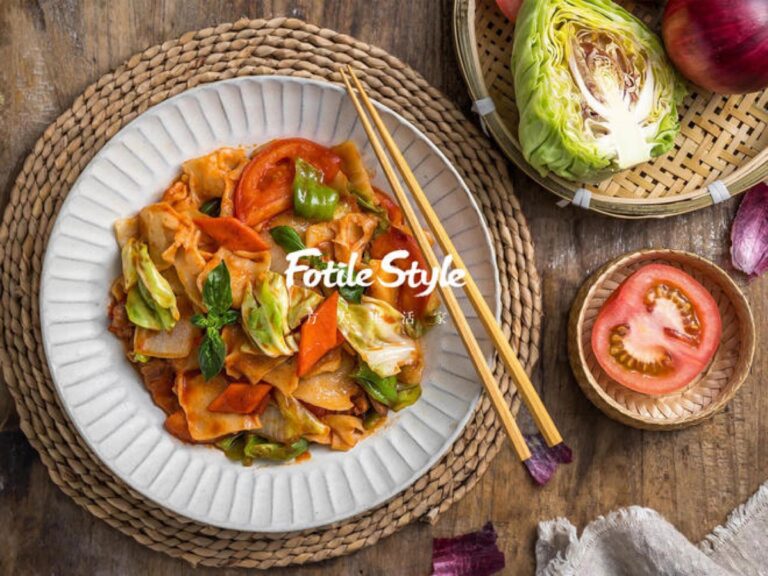
Naren is Xinjiang’s celebratory hand-pulled noodle dish served at weddings and holidays. Learn its meaning, where to try it, and how it is eaten by hand.
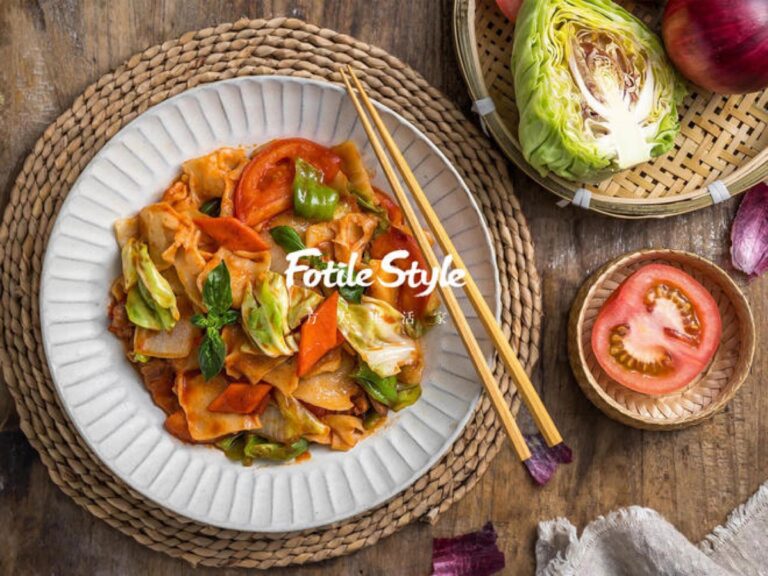
Laghman is Xinjiang’s hand-pulled belt-noodle stir-fry. Learn the regional styles, what goes in the bowl, and where to eat the best laghman.
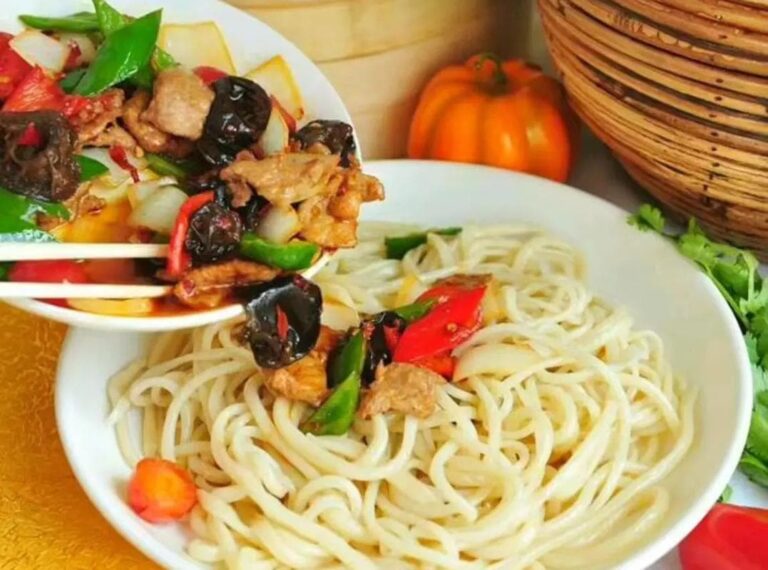
La Mian — hand-pulled noodles — are the backbone of Xinjiang’s food culture. Learn the technique, the regional styles, and the best bowls to seek out.

Urumqi’s food blends every region of Xinjiang on one menu — naan, polo, hand-pulled noodles, and Han-Chinese joints too. Here’s where to eat, what to order, and the dishes unique to the city.
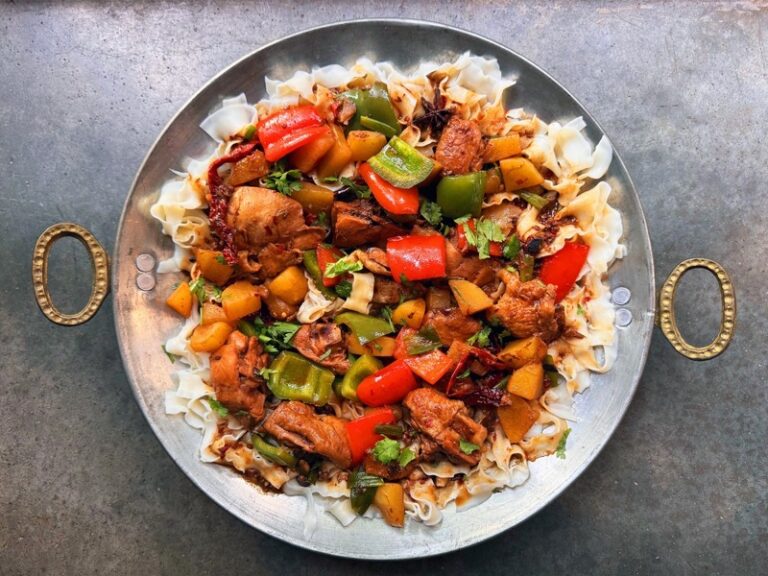
Dapanji (Big Plate Chicken) is Xinjiang’s most iconic dish — a hearty one-pot meal of chicken, potatoes, peppers, and hand-pulled noodles. Learn its origins, how it’s made, regional variations, and where to find the best Dapanji in Xinjiang.
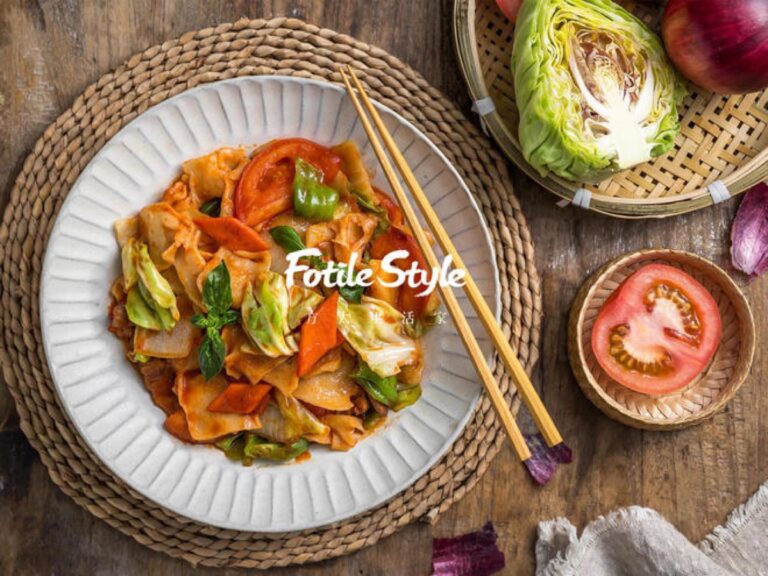
Laghman (拉条子) is Xinjiang’s answer to hand-pulled noodles — thick, chewy, and topped with a savory vegetable and meat sauce. Here’s where to find the best bowls in Urumqi and Kashgar.