Ningbo Travel Guide: Top Sights, Food and a 3-Day Itinerary
Ningbo is a major Zhejiang port with a cultural core far deeper than its industrial reputation suggests: Tianyi Ge, the oldest surviving private library in China; a Ming-era old town; and a riverside former foreign settlement of European façades now full of cafés. It is also the mainland jumping-off point for Putuoshan, a sacred island of temples and coastal cliffs. Give the city one to two days, and a full day to the island if you go.
Why Visit Ningbo
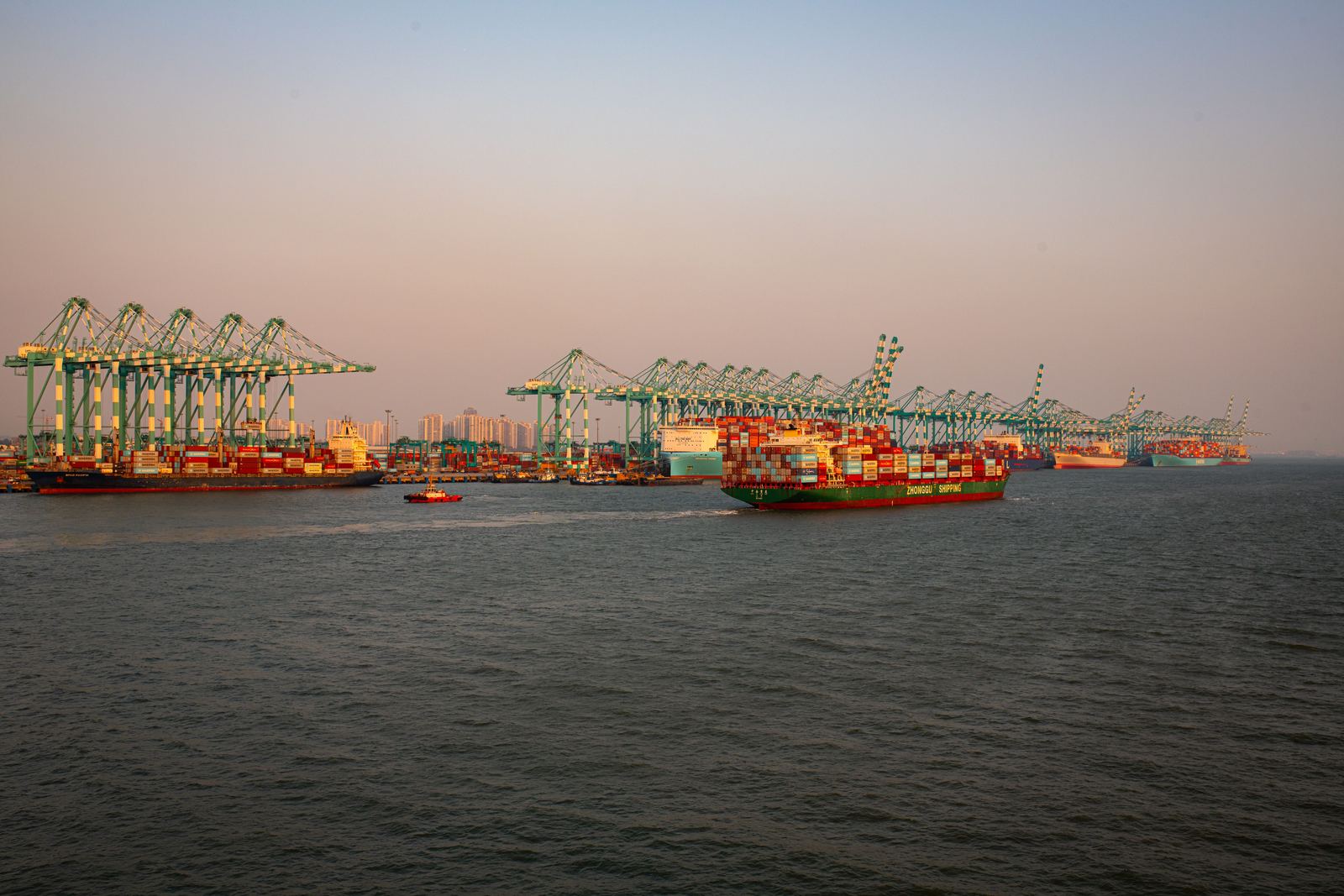
Ningbo (宁波) earns its place among China’s essential stops because a port city of china’s oldest library, a foreign-settlement quarter, and putuo nearby.
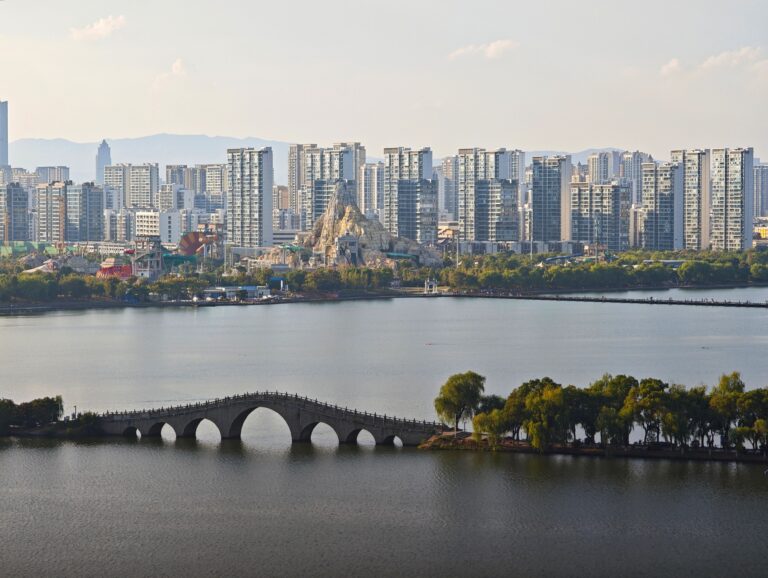
Ningbo is a working port with an unusually good cultural core. It is calmer and cheaper than Hangzhou, and the old centre is genuinely walkable: the library, the Song pagoda, Moon Lake and the museum all sit within about two kilometres of each other. Come for books, gardens and seafood rather than dramatic scenery.
The Story Behind Ningbo
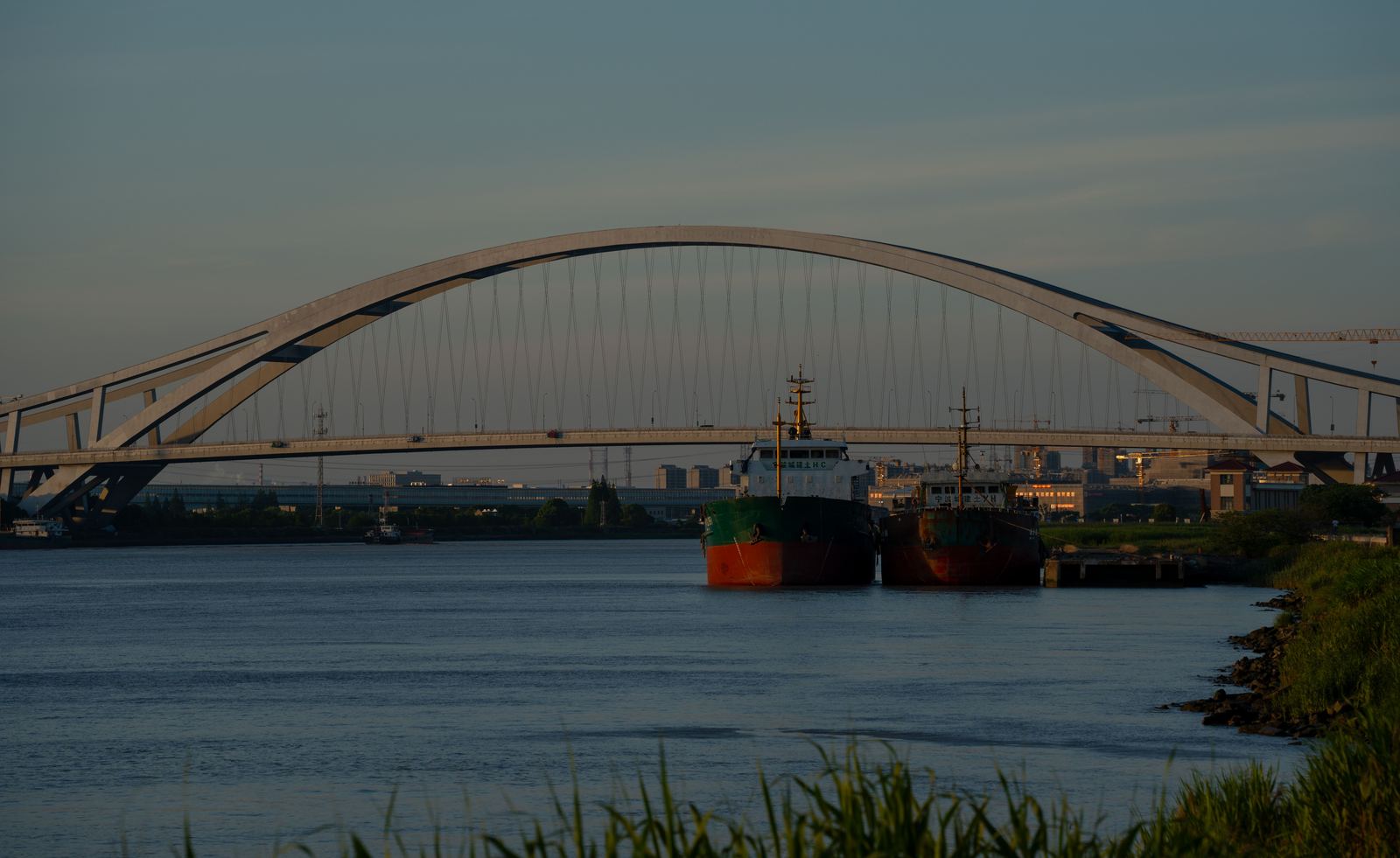
Ningbo has been a trading port for more than a thousand years — a departure point on the Maritime Silk Road and, after 1842, one of the first five Chinese ports opened to foreign trade. The Hemudu site in nearby Yuyao, excavated in 1973, pushed the region’s settled history back some 7,000 years with rice-cultivation remains and stilt houses. In the nineteenth and early twentieth centuries Ningbo merchants became one of the most influential business communities in Shanghai, which is why the dialect still carries across the estuary.
Top Things to Do in Ningbo
Tianyi Ge, China’s oldest private library
Founded in 1561 by the scholar-official Fan Qin, this is the oldest surviving private library in China and one of the oldest in the world. Its name means ‘one heaven, one water’, and the building was laid out around fire prevention — a pond below, careful airflow, and a strict rule that no one but the family could hold the key. Beyond the book halls there are gardens, a fan collection and a mahjong museum. Allow two hours; the rarities on display rotate.
The old foreign settlement
Ningbo was one of the five ports opened to foreign trade after 1842, and the north bank of the river still carries the Catholic church, consular buildings and merchant houses built afterwards. It is now the city’s café and bar quarter, which makes it the easiest evening in town — walk the river, then eat.
Tianfeng Tower and Moon Lake
A Song-dynasty brick pagoda beside a calm central lake in the middle of the old town. The tower is one of the few surviving Song-era structures in the city, and Moon Lake is a locals’ park rather than a ticketed sight — best in the early morning, when the surrounding lanes are still quiet.
Ningbo Museum
Designed by Wang Shu, the first Chinese architect to win the Pritzker Prize, from recycled tiles and bricks salvaged from villages demolished across the region; the façade alone justifies the trip. Inside, the permanent galleries cover Ningbo’s history as a port. Free, but book online and note the Monday closure.
Baoguo Temple
A Northern Song wooden hall in the northern suburbs, prized by architectural historians as the oldest surviving wooden building in the Yangtze delta — bracket sets, no nails in key joints, and a ceiling that was built to hide the roof structure. It is quiet, rarely crowded and a good half-day once you have done the city core.
Putuoshan, the island of Guanyin
Reached by ferry via Zhoushan, this is one of the four sacred Buddhist mountains: temples on terraces above the sea, a tall bronze bodhisattva facing the water, cliff paths and small beaches. It deserves a full day; an overnight is better, because the temples are at their best early and late.
Best Time to Visit Ningbo
March–May and September–November.
At a Glance
| Detail | Information |
|---|---|
| Province | Zhejiang |
| From Hangzhou | ~1 hr rail |
| Must-see | Tianyi Ge |
| Nearby | Putuoshan island |
| Best season | Mar–May, Sep–Nov |
Getting to Ningbo
Ningbo (NGB) is ~1 hr by high-speed rail from Hangzhou and ~2 hrs from Shanghai (via the Hangzhou Bay Bridge).
Getting Around Ningbo
Ningbo Rail Transit runs several metro lines through Haishu, Yinzhou and Beilun, and the core sights are a short ride or a fifteen-minute walk apart. Taxis and ride-hailing are inexpensive. For Putuoshan most travellers travel overland to Zhoushan and then take a ferry — check sailings the day before, because winter storms cancel boats.
What to Eat in Ningbo
Ningbo tangyuan
Sweet glutinous-rice balls with a molten black-sesame and lard filling. Ningbo is widely credited as the home of tangyuan, and the old shop Gang Ya Gou has been serving them since the 1920s.
Seafood and pickled plates
Ningbo cuisine leans on the coast: steamed crab, salted jellyfish and dried yellow croaker. The locally loved ‘stinky’ winter melon is fermented and genuinely pungent — try it once before you decide.
Savoury soy milk breakfast
A bowl of salty soy milk with fried dough, or a noodle soup topped with three kinds of seafood, is the standard cheap breakfast in the old town.
Where to Stay in Ningbo
Haishu, the old centre
Walkable to Tianyi Ge, Moon Lake and the museum, with the widest choice of mid-range hotels. The default pick for two nights.
The old foreign settlement
Riverside rooms and the best evening atmosphere in the city; noisier on Friday and Saturday.
Yinzhou
Modern, cheaper and on the metro. Practical if you arrive by high-speed rail and leave early the next morning.
A 3-Day Ningbo Itinerary
This 3-day plan covers the core of Ningbo without rushing; if you have less time, take the first day and add the parts of the second that matter most to you.
Day 1 — the city’s cultural core
Morning at Tianyi Ge: the book halls, the gardens and the fan museum, about two hours. Walk or taxi south to Moon Lake for lunch, then the Ningbo Museum in the afternoon for the building and the city’s port history. Finish along the river in the old foreign settlement for dinner.
Day 2 — Putuoshan
An early start is not optional: travel overland to the ferry, cross, then take in the main temples and the bronze Guanyin, leaving time for the cliff path at the southern end of the island. Return in the evening. If you can spare a night on the island, do it — dawn and dusk are when the place is itself.
Day 3 — if you have one
Add Dongqian Lake for cycling and the Southern Song stone carvings, or the Hemudu site for seven-thousand-year-old rice agriculture. Alternatively, take Baoguo Temple and a slow lunch in the old town before moving on.
Day Trips from Ningbo
Putuoshan
The island of Guanyin: temples, cliff paths and a tall bronze bodhisattva looking over the water. Give it a full day, or stay one night for the quieter evening.
Dongqian Lake
A large freshwater lake about fifteen kilometres east of the centre, with cycling paths, a lakeside village and the Southern Song stone-carving park at its edge.
Hemudu site
The seven-thousand-year-old Neolithic settlement in Yuyao — a small but genuinely important museum for anyone interested in early rice agriculture in China.
What a Trip to Ningbo Costs
| Item | Indicative cost |
|---|---|
| Tianyi Ge (library and gardens) | ¥20–40 |
| Ningbo Museum | Free — book online, closed Mondays |
| Tianfeng Tower / city sights | ¥10–30 |
| Putuoshan ferry plus island entry | ¥150–250 per person |
| Mid-range hotel, central | ¥250–450 per night |
| Local meal | ¥30–60 |
| Metro or bus fare | ¥2–6 |
Figures are indicative planning ranges and move with season, exchange rate and holiday demand — confirm on the official site or your booking app before you commit.
Practical Tips for Ningbo
- Putuoshan needs a full day; leaving at 8am is the difference between three temples and one.
- Central Ningbo is walkable and the metro covers the rest; taxis are cheap enough that you rarely need to plan around them.
- Eat Ningbo tangyuan and local seafood — the coast means crab and yellow croaker are reliably good value.
- The museum and several other sites close on Mondays; check before building a Monday into the plan.
- Come in April–May or September–November. Summer is hot and humid, and July to September is typhoon season on this coast.
- Choosing between Ningbo and Hangzhou? Ningbo is calmer and cheaper, but Hangzhou has the lake.
Mistakes to Avoid
- Rushing Putuoshan into half a day; the ferries and queues eat the time.
- Assuming Ningbo is purely a business-travel city and skipping the old town.
- Travelling between July and September without checking typhoon forecasts, which close ports and cancel ferries along the coast.
Is Ningbo Right for You?
Two days suits Ningbo well. Come for library-and-garden history, seafood and a calm alternative to Hangzhou; if you want dramatic landscapes, treat Ningbo as the gateway to Putuoshan rather than as the destination itself.
Plan Your Trip
These official and reference sources help you verify opening hours and book ahead:
Frequently Asked Questions
How many days do you need in Ningbo?
Two is comfortable: one for the library, museum and riverside, one for Putuoshan. Three if you add Dongqian Lake or Hemudu. It works as a day trip from Hangzhou, but you lose the island.
What is Ningbo best known for?
Tianyi Ge, the oldest surviving private library in China, and the Ningbo merchant network that shaped modern Shanghai. In food terms it is tangyuan — sweet black-sesame rice balls — and seafood.
Is Ningbo worth visiting?
Yes if you like book-and-garden history and want a Zhejiang city without Hangzhou’s crowds. It is not a scenery destination: the landscape appeal sits at Putuoshan and the lake, not in the city itself.
How do you get to Putuoshan?
Travel overland to Zhoushan and take a ferry; most visitors book the transport and the island ticket together. Check sailings the day before — winter storms cancel boats and summer weekends sell out.