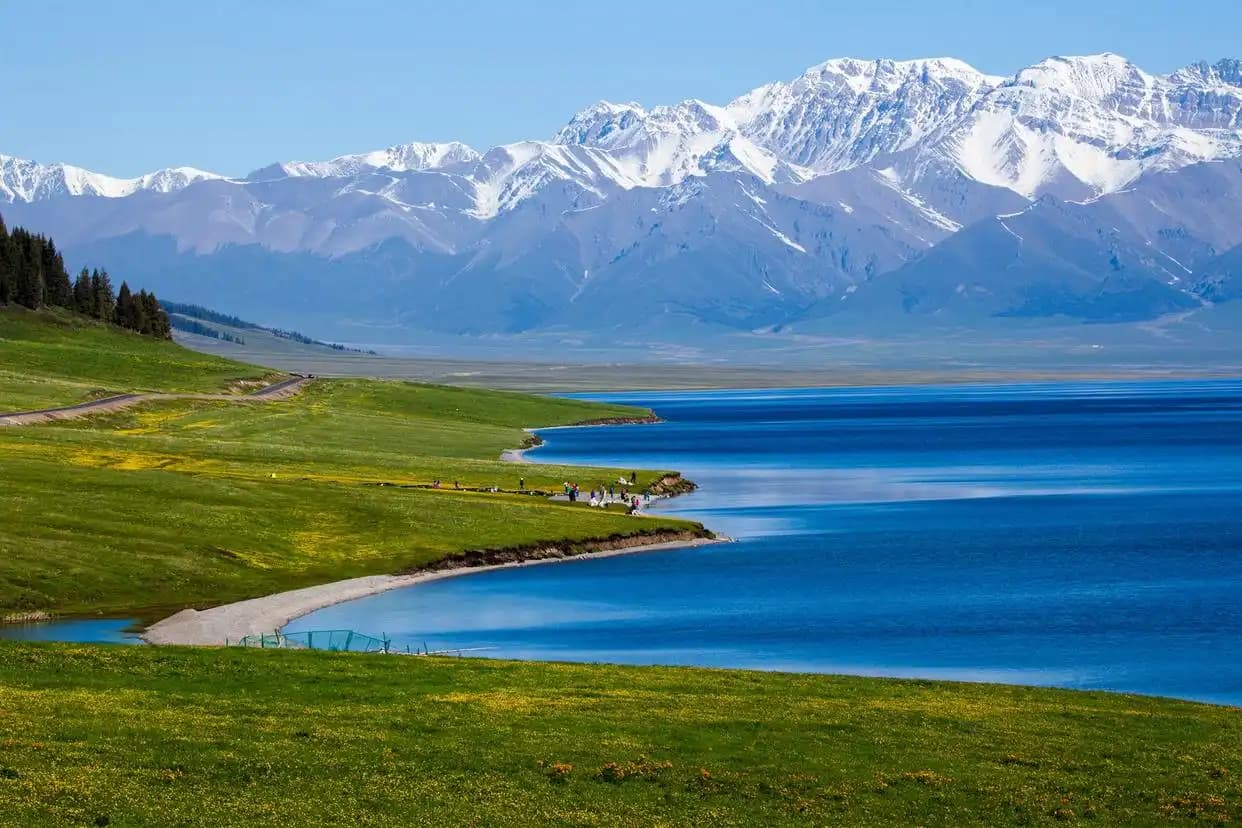
Kanas Lake vs Sayram Lake: Which Xinjiang Alpine Lake Should You Visit?
Two alpine lakes sit at the top of almost every Xinjiang itinerary, and travelers constantly ask me which one to prioritize. Kanas Lake in the far north and Sayram Lake in the Ili Valley could not be more different in mood, access, and crowds — yet both deliver the kind of scenery that rewires your sense of scale. I have slept in a yurt beside each. Here is the honest comparison to help you choose, or decide whether to do both.
Where They Are and How You Get There
Kanas Lake lies in the Altay region of northern Xinjiang, near the Mongolian, Russian, and Kazakh borders. Reaching it means flying to Burqin/Altay or driving hours of mountain road; it is genuinely remote. Sayram Lake sits just off the G30 corridor in the Ili Valley, roughly 100 km from Yining, making it one of the easiest “wow” stops in the west.
| Factor | Kanas Lake | Sayram Lake |
|---|---|---|
| Region | Altay (north) | Ili Valley (west) |
| Nearest city | Burqin / Altay | Yining (~100 km) |
| Access difficulty | Harder, longer transfer | Easy, right off the highway |
| Altitude | ~1,300 m | ~2,070 m |
The Scenery: Forest Lake vs Open Highland Mirror
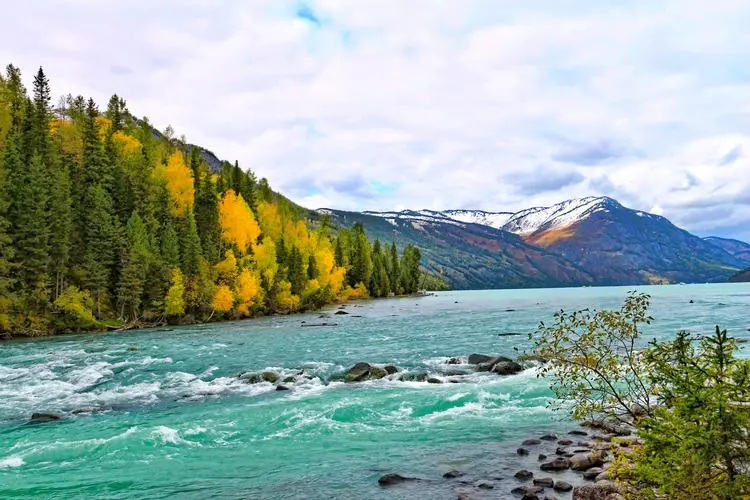
Kanas is intimate and vertical — a long, narrow lake cradled by Siberian larch and birch forest, with morning mist, the famous “lake monster” folklore, and Tuvan villages like Hemu nearby. It feels like a hidden alpine fjord.
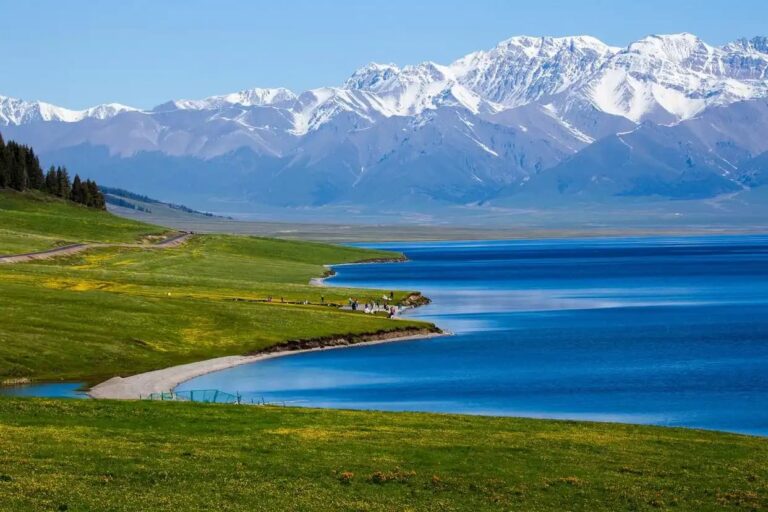
Sayram is vast and horizontal — the largest alpine lake in Xinjiang, ringed by rolling grasslands and snow peaks, often called the “last tear of the Atlantic” for the moisture its weather system carries inland. On a clear day the water turns an impossible blue; in spring the lakeside meadows explode with wildflowers.
Timing your trip
| Season | Kanas | Sayram |
|---|---|---|
| Spring (Apr–May) | Roads still opening; quiet | Wildflowers, cool, breezy |
| Summer (Jun–Aug) | Green, misty, peak crowds | Best weather, flower meadows |
| Autumn (Sep–Oct) | Peak — golden larches, iconic | Golden grasslands, fewer crowds |
| Winter (Nov–Mar) | Snowbound, limited access | Ice lake, very cold, quiet |
If you can pick one season, autumn is Kanas’s signature moment — the birch and larch turn gold and the photos everyone shares are from late September. Sayram is most beautiful in early summer when the surrounding meadows bloom.
Crowds, Cost, and Logistics
| Factor | Kanas | Sayram |
|---|---|---|
| Typical crowds | High in peak season | Moderate, spreads out |
| Entry / shuttle | Scenic-area ticket + shuttle bus | Scenic-area ticket + ring road |
| Stay options | Hotels in village, yurts nearby | Yurt camps, lakeside stays |
| Time needed | 1–2 full days minimum | Half day to 1 day |
Kanas demands more time and money — it is a destination, not a detour. Sayram rewards a half-day loop drive and blends naturally into an Ili Valley route that also takes in Nalati Grassland and the Guozigou bridge.
Activities at Each
Kanas
- Boardwalk to the lake viewpoint and the “Moon Bay” bends.
- Sunrise at Hemu Village’s wooden lookout.
- Boat ride on the lake (seasonal).
- Tuvan family visits and local dairy tasting.
Sayram
- Drive the lakeside ring road and stop at viewpoint platforms.
- Walk or cycle the shoreline grassland.
- Stay in a yurt and watch the stars (low light pollution).
- Combine with the nearby Guozigou bridge photo stop.

Getting There: Tours vs Self-Drive
Kanas is best reached as part of a northern loop. Most travelers fly into Urumqi, take a short hop to Burqin or Altay, then transfer (bus, private car, or a guided 3–4 day tour) into the scenic area. Private drivers are easy to arrange in Burqin and remove the headache of parking and the internal shuttle logistics. Sayram is far simpler: it sits beside the G30 expressway, so a self-drive, a rented car with driver, or even a day trip from Yining all work. If you are on the Duku Highway or an Ili Valley route, Sayram slots in naturally as a half-day stop.
Budget-wise, Kanas costs more once you add transfers, the scenic-area ticket, and in-park transport; Sayram is a lighter line item you can pair with free or cheap lakeside walking. Both charge separate fees for shuttle buses and (seasonal) boat rides, so read the ticket fine print at the gate.
Where to sleep
Around Kanas, accommodation clusters in the entrance-area town (hotels, guesthouses) and in nearby Hemu and Baihaba villages (wooden lodges and yurts). Staying inside the scenic area lets you catch sunrise without a long shuttle, but rooms book out in October’s peak. Around Sayram, options are thinner — a lakeside yurt camp is the memorable choice, with Yining as the fallback for hotels. If you want a hot shower and reliable Wi-Fi, base in the city and day-trip; if you want stars over the water, take the yurt and accept fewer comforts.
Photography Tips
For Kanas, shoot early — mist clears by mid-morning and the light flattens. A polarizer cuts glare on the water. For Sayram, late afternoon gives the bluest water against the peaks; the ring road’s western side faces the light best. Both lakes are windy, so bring a sturdy mini-tripod for low-light sunrise shots.
Paperwork and prep, in order
- Visiting both on one trip — Yes, but they are far apart — Kanas is in the north (Altay), Sayram in the west (Ili).
- Better for families with kids — Sayram is easier — shorter transfers, flatter shoreline, and a simple loop drive.
- Altitude a problem at sayram — At ~2,070 m, Sayram is higher than Kanas.
- Needing a border permit for either — Kanas itself does not; nearby border areas (like Baihaba) can require one.
- More worth the effort — If you want iconic, postcard alpine forest drama, Kanas.
Work through that list a few days before departure, not on the morning you fly. Most of the grief I have seen on this route comes from leaving it until the last minute.
Quick Decision Guide
- Pick Kanas if you want iconic misty forest drama, don’t mind longer transfers, and are already in the north on a multi-day loop.
- Pick Sayram if you are on a western/Ili route, have limited time, and want a blue alpine lake with wildflowers and minimal fuss.
- Do both if you have 10+ days and can link the north and west — fly or take the train between regions to save the grueling cross-province drive.
Either way, build buffer days. Mountain weather closes passes without warning, and the best light at both lakes arrives early, before the tour buses. Plan slow, wake early, and let the lakes set the pace of your trip rather than the other way around.