Kanas in Winter: A Practical Guide to the Frozen Altai Wonderland
Most people picture Kanas in September gold. I went in mid-January, when the lake was a sheet of ice the colour of old glass and the birch trunks stood black against snow that swallowed sound. Winter in the Altai is not a softer version of summer; it is a different destination with its own rules, costs, and dangers. If you go prepared, it is the most peaceful Xinjiang I have ever seen, but the margin for error is thin and the cold is not a metaphor.
Is Kanas Even Open in Winter?
Partly. The main Kanas scenic area stays open but with reduced shuttle service, while some remote boardwalks close. Hemu Village and Baihaba remain accessible and are the real winter draw. Always confirm the current gate status in Burqin before committing, because heavy snow can shut the mountain road for a day or two, and being stranded at the gate with a frozen camera is nobody’s plan.
I learned this the hard way: a forecast that looked clear in Urumqi dumped 20 cm on the pass overnight, and our 4×4 sat in a Burqin guesthouse an extra day. Build a buffer into any winter itinerary; the mountain decides your schedule, not you.
Getting There in the Cold
The approach is Burqin to Jiadengyu, then the park shuttle. In winter the road is ploughed but icy, and self-driving without snow tyres or chains is genuinely risky. Most travellers book a 4×4 transfer from Burqin (about 2.5 hours). Carry water, a blanket, and a power bank; a breakdown at -25°C is an emergency, not an inconvenience, and mobile coverage thins out past the last village.
Typical winter temperatures
| Month | Daytime low | Night low | Road risk |
|---|---|---|---|
| Dec | -12°C | -22°C | Moderate |
| Jan | -18°C | -30°C | High (ice, closures) |
| Feb | -15°C | -26°C | Moderate–High |
| Mar | -8°C | -18°C | Thaw slush |
What You Can Actually Do
Hemu becomes a storybook snow village: timber cabins under frost, horses ploughing through drifts, and smoke folding into a pink dusk. Activities that run in season include snowmobiling on the river, ice fishing with local Tuvan families, and simply snowshoeing the quiet trails. The Hemu Village guide covers the cultural side; in winter the same lanes are silent and photogenic in a way summer never allows.
The checkpoints, honestly
Nobody has ever been rude to me at one of these. They are tedious rather than dangerous, and the driver’s document pack is the only thing that makes them quick. You will stop at checkpoints. They are short, they are not hostile, and the whole process for a foreign plate takes longer than for a local one because the officer has to make an entry. Write down the address of tonight’s accommodation, because that is the question they ask. Keep passport and car documents in the glovebox rather than the boot so you are not unpacking in front of a queue.
What a local driver would refuse to do
My host in Kanas said the pass was two hours, meaning two hours driving without the stops, and that is the number to plan around, not the one the map shows. What they will refuse is a night drive over the high sections in winter, and they are right. What they will happily do is leave at five in the morning to catch the light, and that is the version worth asking for. A driver who knows this road gives you the honest distance. More on the other end of that day is in our [[xinjiang-winter-travel-guide|Xinjiang in Winter: Snow, Skiing, and Why…]].
What winter does to this road
Snow chains help, warm layers in the cabin matter more, and a full tank matters more than both. The surface is fine. Drive it in summer and none of this matters. The problem is that a pass at this height can shut for a day with no warning and reopen at dawn, and nobody announces it until somebody radioes it in. Between November and March you are planning around a gate that moves. I wrote the driving side up in our [[kanas-lake-xinjiang-travel-guide-2|Kanas Lake in Autumn: When the Larch Turns…]] as well.
Staying Warm and Safe
Layer like you are climbing a mountain: merino base, down mid, windproof shell. Feet need two pairs of socks and insulated boots rated below -30°C. Cameras hate the cold-to-warm transition, so bag them in a sealed pouch before re-entering a heated room to avoid condensation fogging the lens and sensor. I once ruined a morning of shooting because I brought a cold camera inside and the lens fogged for two hours.
The altitude factor
Kanas sits near 1,300 m and Hemu around 1,400 m. Cold plus altitude means you tire faster; keep moving, drink water, and don’t underestimate a short walk in deep snow. If you feel a headache and breathlessness that doesn’t ease, descend — it is the only reliable cure.
The things you will probably want to know
Is winter cheaper than autumn?
Lodging and transfers are often 30–50% lower than peak September, but you trade that for limited services and higher risk of paying for a guide or private 4×4 because buses are scarce. Budget for the car, not the room.
Can I see the turquoise lake in winter?
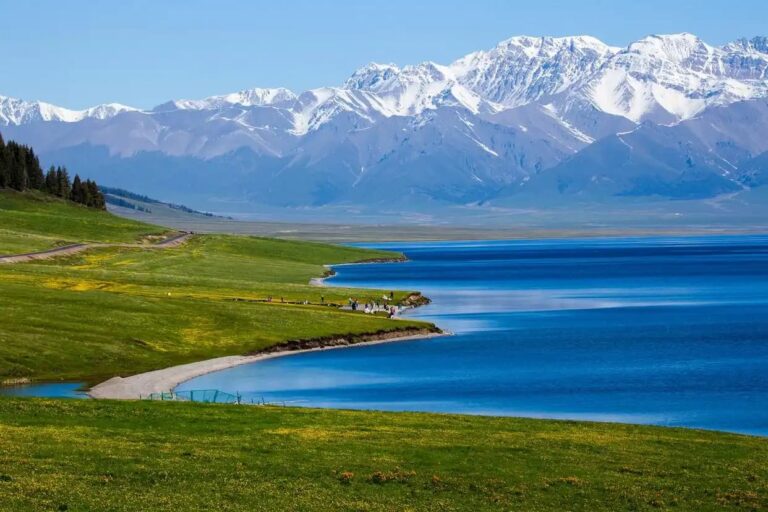
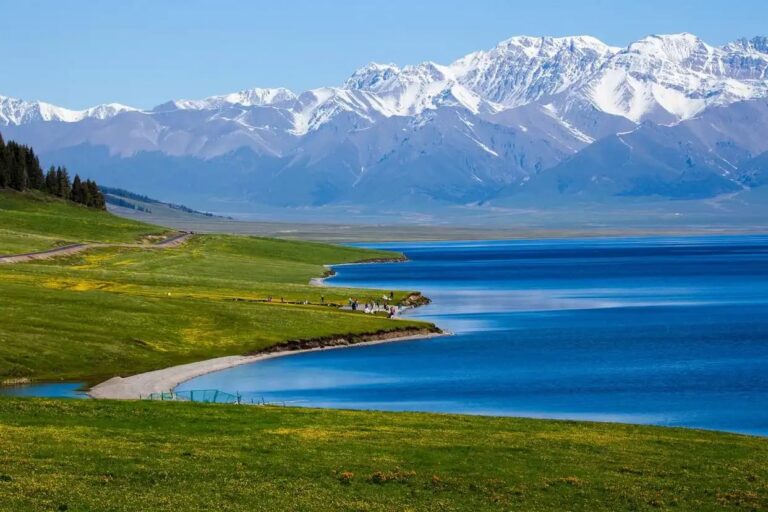
No. The lake freezes and snows over. What you get instead is ice textures, rime on the birches, and a stillness the summer crowds never allow — which, for the right traveller, is the better trade.
Do I need a guide?
Strongly recommended for first-timers. A local guide handles the permits, the snow-road transfers, and knows which trails are safe versus crevasse-prone river ice. The ice looks solid; it often isn’t near the inlets.
Is it suitable for children or older travellers?
Only with careful planning. The cold is punishing and medical help is far away. Healthy, well-equipped adults who enjoy winter sports will love it; fragile travellers should pick spring instead.
What should I photograph?
Sunrise smoke over Hemu, rime-covered birch, and the frozen river bends. The light is low and golden for most of the short day, which is a gift for landscapes and means you can sleep in a little and still shoot at 09:00.