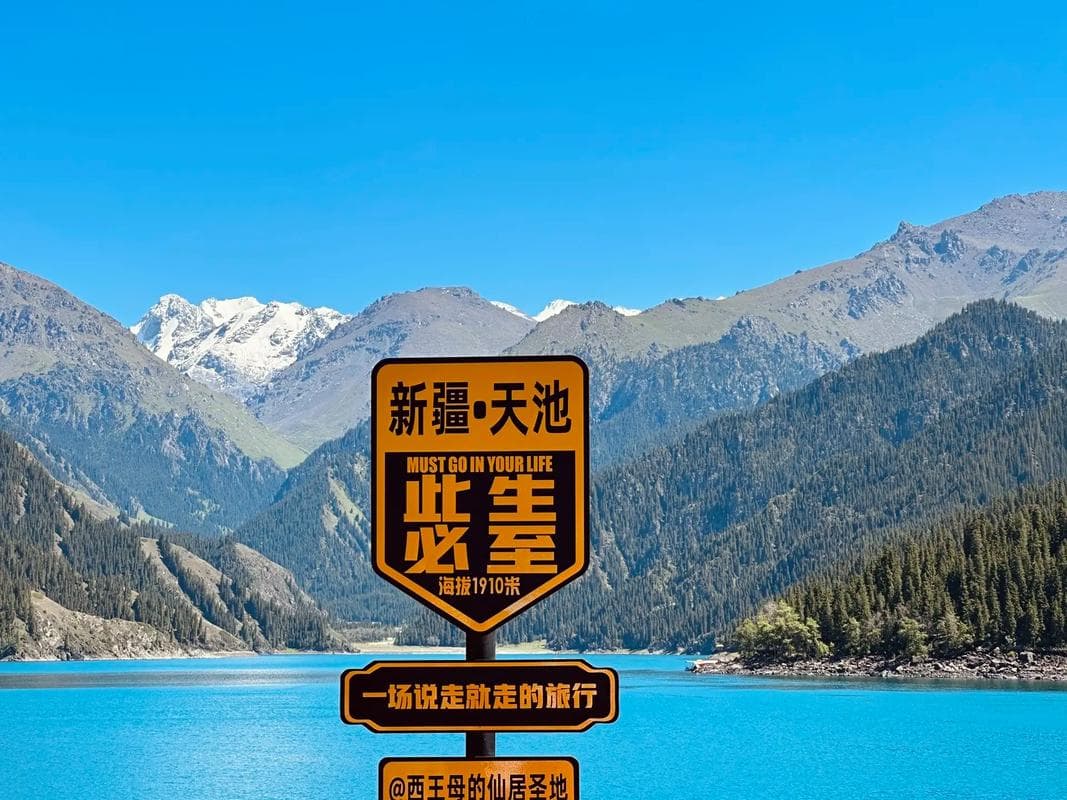
Best Photography Spots in Xinjiang: Light, Scale and the Shots Worth the Drive
Xinjiang is the rare place where the postcard is harder to ruin than to take. The light is violent and clean, the distances are absurd, and even a phone gets something usable at sunrise. But “big” is also the trap: a wide lens alone flattens the scale that makes the region sing. After several shooting trips I have a short list of spots and timings that reliably deliver, and a few habits that stop the dust and altitude from eating your gear.
What makes Xinjiang light different
The air is dry and the sky is high, so contrast is extreme – shadows go black by midday and highlights blow out fast. The working window is short: the first 90 minutes after sunrise and the last hour before sunset. Midday is for resting, backing up cards, and scouting the next frame. The other gift is distance: a ridgeline 30 km away stays sharp, which lets you compose layers (foreground grass, mid lake, far snow) that simply do not exist in humid climates.
Best regions by what you shoot
Pick a base by subject, not by fame. Each cluster below rewards a different lens and a different season.
| Region | Best for | Prime season |
|---|---|---|
| Kanas & Hemu | Fog, pine, reflection, wooden villages | Sep-Oct (autumn colour) |
| Sayram Lake | Mirror water, alpine ring road | Jun-Aug (wildflowers) |
| Tianshan range | Ridgelines, glaciers, passes | Jul-Sep |
| Turpan basins | Earth tones, ruins, heat shimmer | Mar-May, Oct-Nov |
| Pamir (Tashkurgan) | Peaks, stone city, nomad life | May-Sep |
Kanas and the fog window
Kanas rewards the patient. The signature shot – a glassy lake under a low ceiling of pine mist – only appears in the early calm before wind wrinkles the surface. Arrive at the viewing deck before first light and wait; the fog burns off by nine and the postcard is gone. A polariser helps, but do not over-crank it or the water goes unnatural. For approach and timing, the Kanas Lake guide lays out the viewpoints and the bus rhythm that gets you there before the crowds.
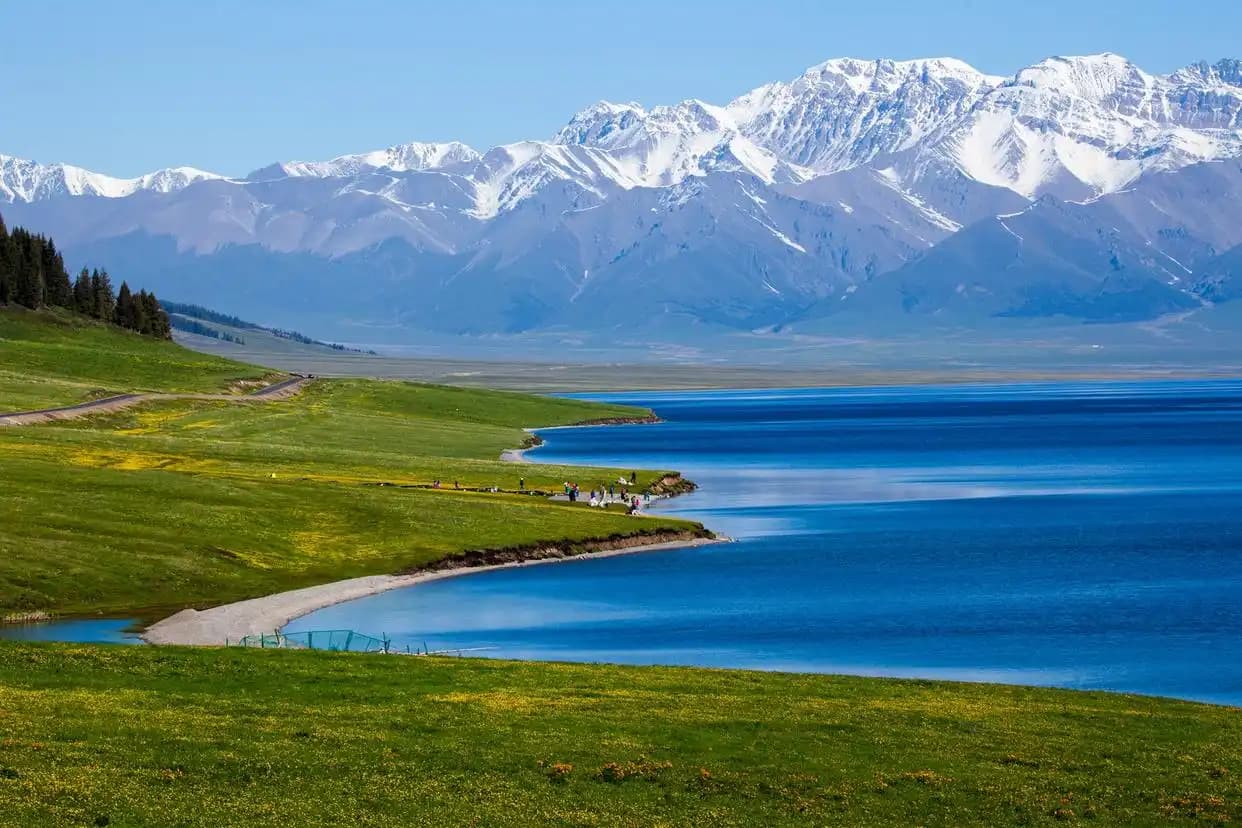
Sayram Lake reflections
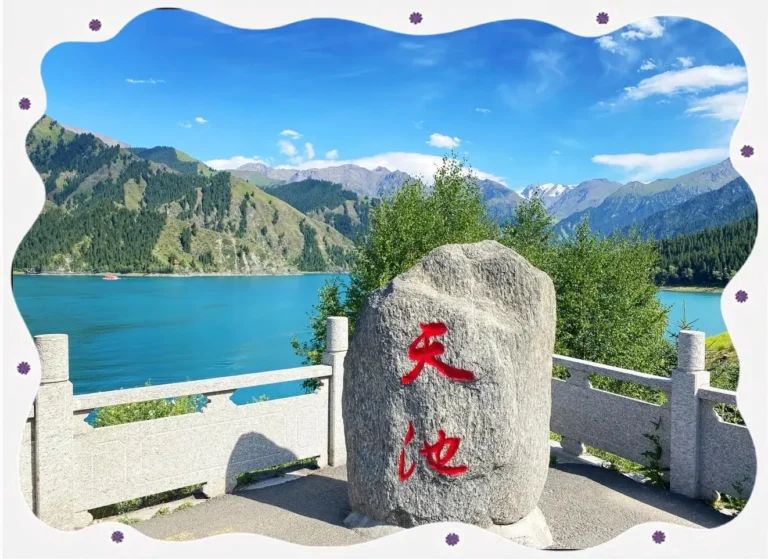
Sayram is a wind-ringed alpine lake, and on still mornings it mirrors the mountains so cleanly that the horizon vanishes. The ring road has pull-offs every few kilometres; the eastern shore at dawn is the calmest. Bring a telephoto for the far ridge and a wide for the full mirror. The Sayram Lake loop guide marks the good stops and the guozigou bridge frame that everyone shoots from the highway shoulder.
The Tianshan ridgeline
The Tianshan is best from a pass, not a valley – you want the snow line stacked behind a foreground of summer pasture. Late afternoon pushes the ridges into relief; a graduated filter or careful exposure bracketing keeps both the bright snow and the dark foreground. This is also where altitude bites: at 2,500 m plus, batteries die faster, so carry two and keep one in an inner pocket.

Golden hour and blue hour timings
In summer the sun sets after 9 pm in parts of Xinjiang, so “golden hour” is a moving target – check the local sunset, not your watch. Blue hour (the 20 minutes after sunset) is when the snow picks up a cold glow and the first stars appear; it is the most under-shot window in the region. Set the shot during golden hour and just keep firing through the transition.
Gear, dust and altitude
The enemies are fine dust and sudden cold. A simple routine saves bodies and sensors: never change lenses in the wind, keep a microfiber and an air blower in the bag, and seal the camera in a padded case when the car kicks up road grit on the dirt passes. At altitude, shoot raw (you will rescue highlights you thought were lost) and pack spare batteries.
Permits and the no-drone zones
Many border and plateau areas near the Pamir and some military-adjacent passes restrict drones or photography outright. Look for signs, ask at the ticket gate, and assume “no” near any fence or antenna. A grounded drone is annoying; a confiscated one ends the trip. The scenic lakes are usually fine for handheld and tripod work.
A shot list by season
| Season | Frame to chase | Where |
|---|---|---|
| Spring | Apricot blossom against desert | Toksun / Turpan fringes |
| summer | Wildflower + mirror lake | Sayram |
| autumn | Golden birch and fog | Kanas, Hemu |
| winter | Frozen lake and blue hour | Sayram off-season |
Composing for scale, not just width
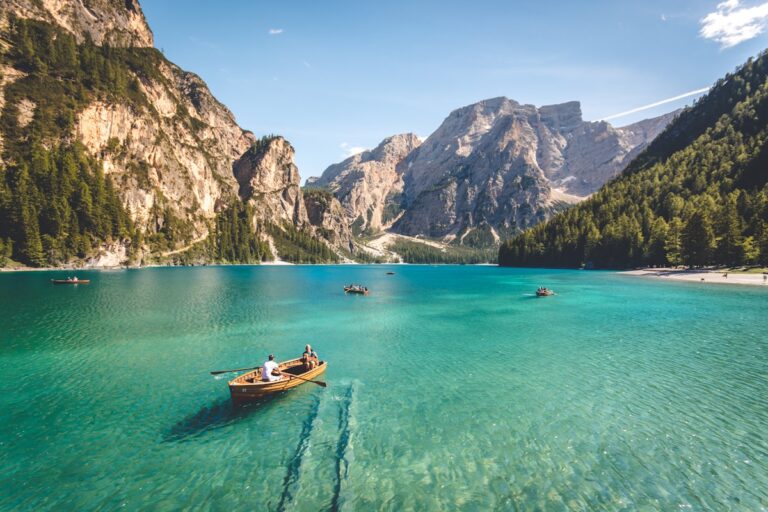
The beginner mistake in Xinjiang is the ultra-wide-everything shot: it records the mountain but loses the awe. Build three layers instead. Put a near object in the bottom third – a fence post, a wildflower, a yak skull, your travelling partner – then let a mid layer (lake or village) sit in the middle, and let the snow peak own the top. The eye reads distance from those stacked layers, and suddenly the frame feels as big as the place. A person in the frame is the cheapest scale cue there is; a lone figure on the Sayram shore turns “pretty lake” into “enormous lake”.
Which lens for which moment
| Lens | Use it for | Skip it for |
|---|---|---|
| 16-35 wide | Villages, interiors, foreground drama | Distant ridge detail |
| 24-70 standard | Most travel frames, markets | Compressed peaks |
| 70-200 tele | Peak compression, wildlife, mist | Tight interiors |
| 100-400 | Kanas fog layers, Pamir snow | Anything close |
A camera-bag packing list
The bag is as important as the body in this climate. Mine, every trip:
| Item | Why it earns the weight |
|---|---|
| Two spare batteries | Altitude and cold kill one fast |
| Air blower plus microfibre | Dust on the sensor is constant |
| UV filter on every lens | Scrubs clean, protects the glass |
| Light tripod | Blue hour and long exposures |
| Dry bag for the body | Sudden mountain rain and river crossings |
Leave the heavy strobes at home. The light here does the work, and a fill flash only flattens the very contrast that makes the region photograph well. Shoot natural, shoot raw, and let the editing recover what the dynamic range could not hold in one frame.
Where first timers go wrong
The trap here: Best time of day to shoot in xinjiang
The first 90 minutes after sunrise and the last hour before sunset. Midday contrast is brutal and the light is flat; use it to rest and scout, then shoot the edges of the day.
Where people slip: Needing a drone for good photos here
No. Handheld and tripod work at the lakes and passes deliver the iconic frames. Drones are restricted or banned near border and plateau zones, so check signs before launching.
The usual error: Lake is better
For fog and autumn colour, Kanas. For mirror reflections and wildflowers, Sayram. They are two hours of different light, not competitors – shoot both if your route allows.
Easy to get this wrong: Protect my camera from the dust
Never swap lenses in the wind, keep an air blower in the bag, and seal the body in a padded case on dirt passes. Fine dust is the constant enemy on Xinjiang’s unpaved roads.
The trap here: Batteries dying so fast
Altitude and cold. At 2,500 m plus, cells drain quicker; carry two and keep a spare in an inner pocket against your body to stay warm.
Where people slip: Photograph near the pamir border
With care. Scenic spots are fine, but military-adjacent passes and some plateau zones restrict photography and drones. Read the signs and ask at gates; when in doubt, do not shoot.