Xinjiang Halal Food: A Traveler’s Guide to Eating Right Across the Region
Understand Xinjiang halal dining: what halal means here, how to spot certified restaurants, and how to eat safely and respectfully from Urumqi to Kashgar.


Understand Xinjiang halal dining: what halal means here, how to spot certified restaurants, and how to eat safely and respectfully from Urumqi to Kashgar.
Wusu beer, kumys and the drinks that fuel Xinjiang’s nights – what to order, where to find it, and what it costs.
Xinjiang samsa are flaky clay-oven pastries stuffed with lamb, pumpkin or onion. Learn how they’re cooked, what to order, and where to eat them.
Beyond naan and tea: Xinjiang breakfast soups like suyukash and shorwa, where to find them, and how they start a cold northern morning.
Xinjiang grows some of China’s best almonds, called badam. Here’s where they come from, how locals eat them, and what to buy at the bazaar.
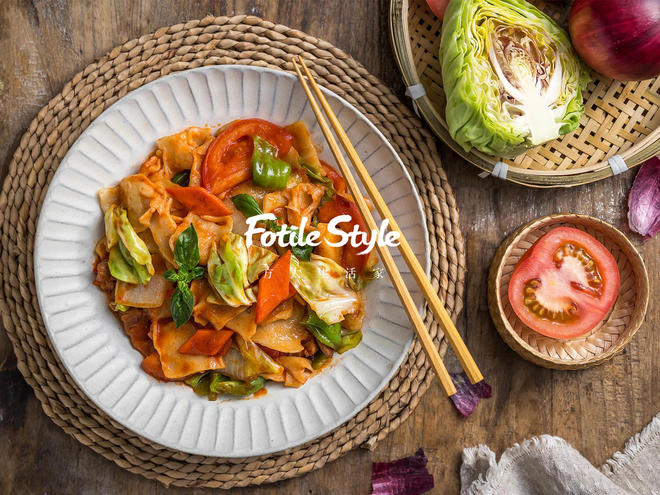
Kaymak is the clotted cream Uyghurs and Kazakhs spoon over naan and honey — the quiet star of Xinjiang’s breakfast table. How it’s made and where to try it.

The best Xinjiang night markets in Urumqi, Kashgar, Yining and Turpan — what to eat, how to order, prices, and etiquette for first-time visitors.

Practical Xinjiang food safety tips from a frequent traveller: where to eat, what to avoid, street-food rules, water, and altitude digestion advice.
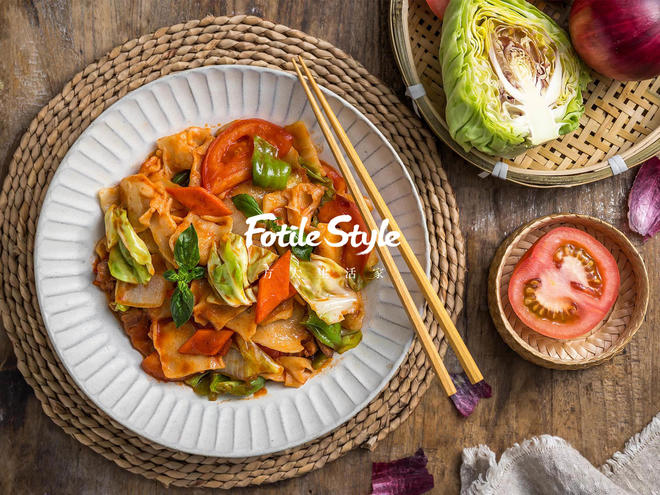
Xinjiang goji berries (gouqi) are a sweet-tart dried fruit used in tea, congee, and snacks. Learn where they grow, how locals use them, and where to buy them.
A practical guide to Uyghur and Central Asian dining etiquette in Xinjiang: tea rituals, naan rules, shared plates, toasts, and table manners to avoid.