Camping and Overland Stops on Xinjiang’s Open Roads: Where to Pitch a Tent and Sleep Under the Stars
Why it earns a stop
Xinjiang is one of the last great empty places on earth where you can drive for hours and see nothing but open horizon. For self-drive travelers, that emptiness is the attraction rather than the obstacle. Camping and overland stopovers turn a simple point-to-point road trip into a slow, star-filled journey across deserts, grasslands, and high mountain passes. This guide explains where you can legally and safely pitch a tent, what to bring, and how to make the most of the region’s vast, quiet nights.
The scale of Xinjiang is hard to grasp until you are actually on the road. Distances between towns can easily exceed 200 kilometers, and the spaces between are often empty gravel, sand, or steppe with no services at all. Rather than treating these gaps as dead time to be endured, experienced overlanders use them as campsites. With the right preparation, sleeping under the Xinjiang sky is both safe and genuinely unforgettable.
Overland travel here rewards patience. The best camp spots are rarely the famous scenic areas; they are the unnamed pullouts where a dirt track meets a ridge, a river bend, or a dune field. Learning to read the land and stop early is the skill that separates a good Xinjiang road trip from a great one.
Arriving by road
Most camping road trips begin from a major hub. Urumqi, Kashgar, Yining, and Korla all have car-rental offices and large supermarkets where you can stock up on water, food, and fuel before heading out. From Urumqi, the G30 and G7 corridors give quick access to northern grassland and desert routes. From Kashgar, the G314 and G315 open the Pamir and Tarim edges.
If you are bringing your own vehicle, enter Xinjiang via the G7 Beijing to Urumqi Expressway or the G30 Lianyungang to Khorgos corridor. Both are fully paved and well serviced with rest areas. For rental cars, confirm in writing that overnight camping and travel to restricted counties is permitted, because some rental agreements limit where the vehicle may go and charge penalties for border-region travel.
Plan your fuel around your campsites. On the desert highways, petrol stations sit roughly every 100 to 150 kilometers, but once you leave the main road for a gravel track, the next fuel may be a full day away. Top up whenever the tank drops below half, carry an approved jerry can where legal, and note the locations of the last stations on your planned route.
Months worth planning around
Late spring, from May to June, and early autumn, from September to October, are the best camping windows. Temperatures are mild, insects are fewer, and the light is superb for photography. Summer is workable in the mountains but brutally hot on the Taklamakan edge, where daytime temperatures regularly pass 40 degrees Celsius and tents become ovens by midday.
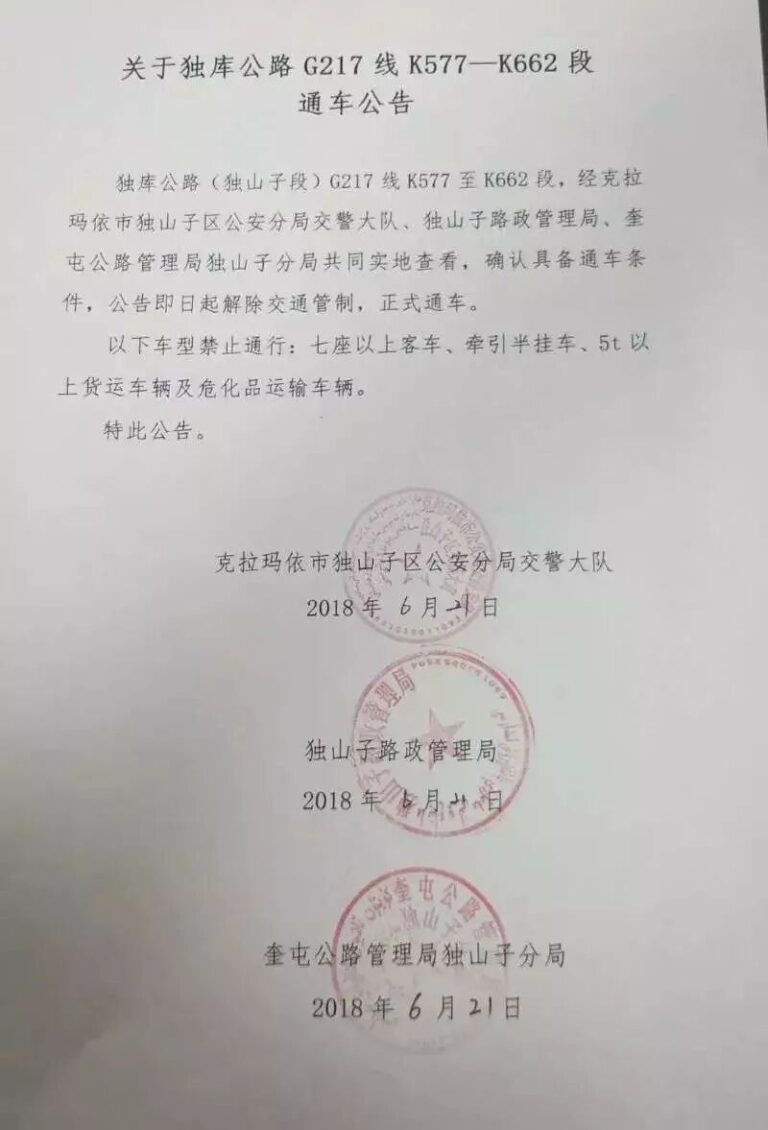
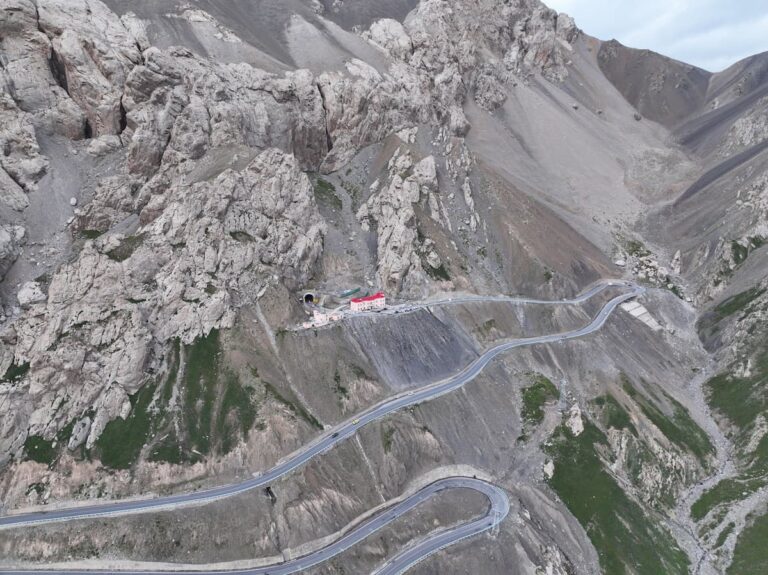
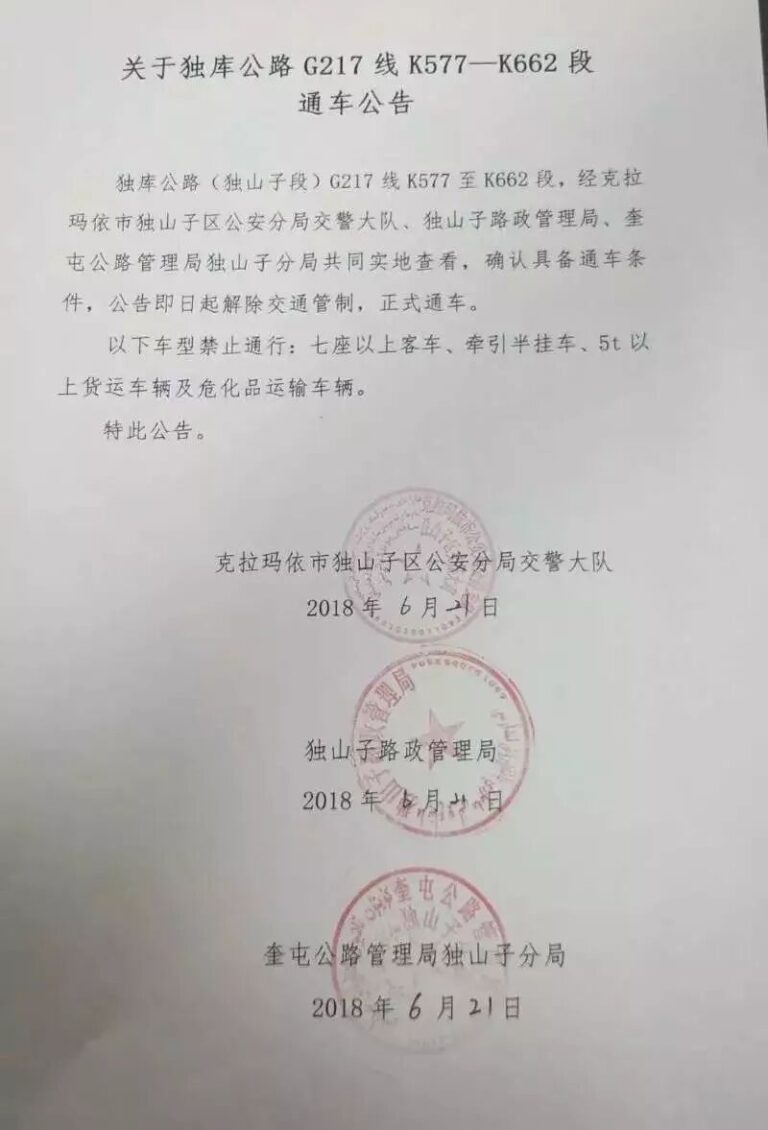
Winter camping is possible only for well-equipped travelers with properly rated gear, because nights on the plains drop below minus 20 degrees Celsius. Snow and ice also close high passes such as the Duku Highway, which typically opens only from June to September. Choose your season by your experience level and your vehicle’s capability.
Wind is the wildcard. Spring gales across the Tarim Basin can flatten a poorly secured tent in minutes, so always check the regional forecast and anchor your shelter with extra guylines and rocks. Calm evenings in autumn are ideal, with stable air and clear skies for stargazing.
What to see here
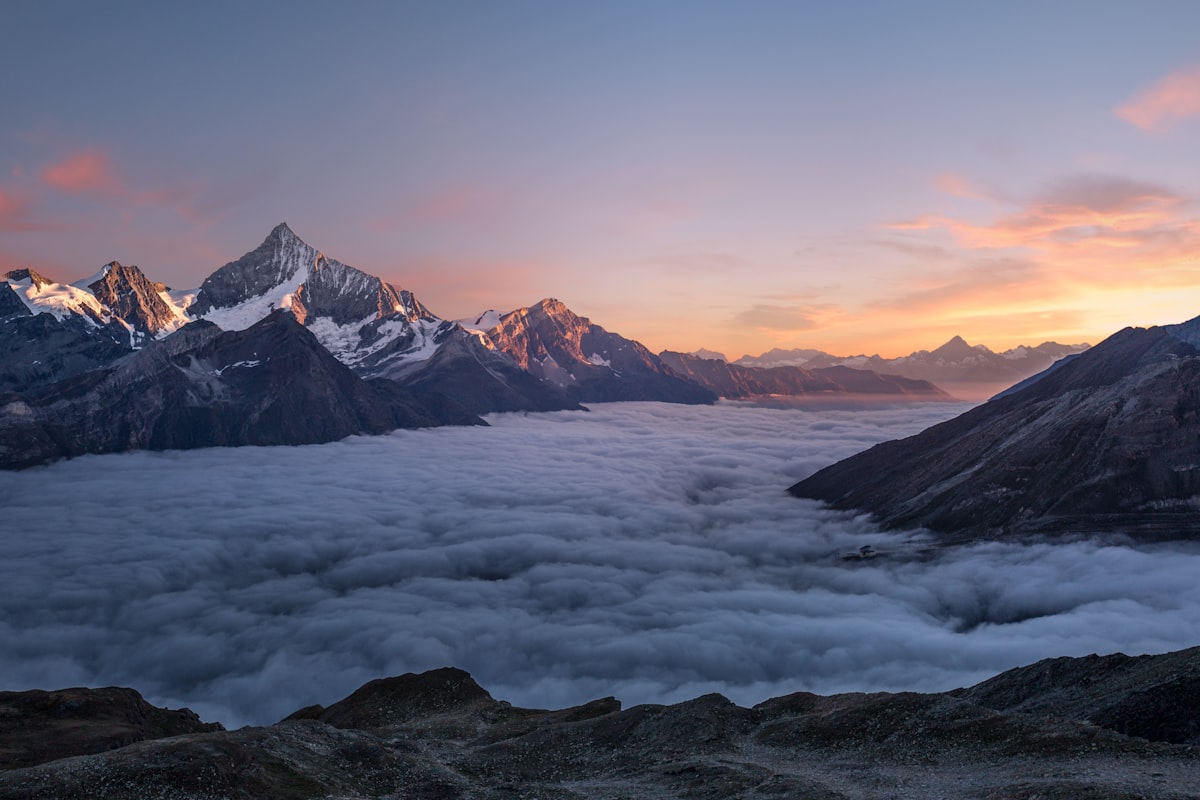
The reward for camping is access to places day-trippers never reach. Along the Duku Highway, pullouts above the tree line offer sunrise over snow peaks with no one else around. On the Taklamakan Desert Highway, the stillness at dusk is total; the only sound is wind moving sand across the road verge. Near Sayram Lake, a lakeside pullout at first light gives mirror-calm reflections and almost no traffic.
Grassland routes around Nalati and Bayanbulak let you park beside a river and watch herders move livestock at dawn. In the Ili Valley, apricot blossom in April turns whole hillsides white, and a tent among the orchards is a landscape photographer’s dream. Each region offers a different kind of silence and a different quality of light.
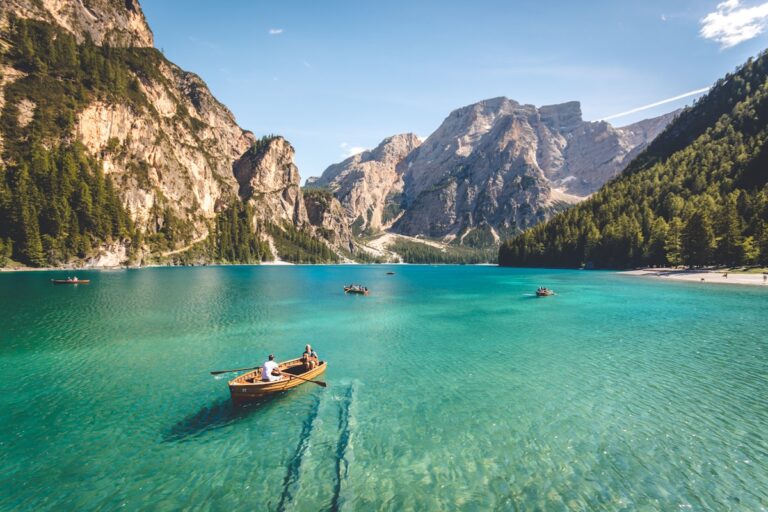
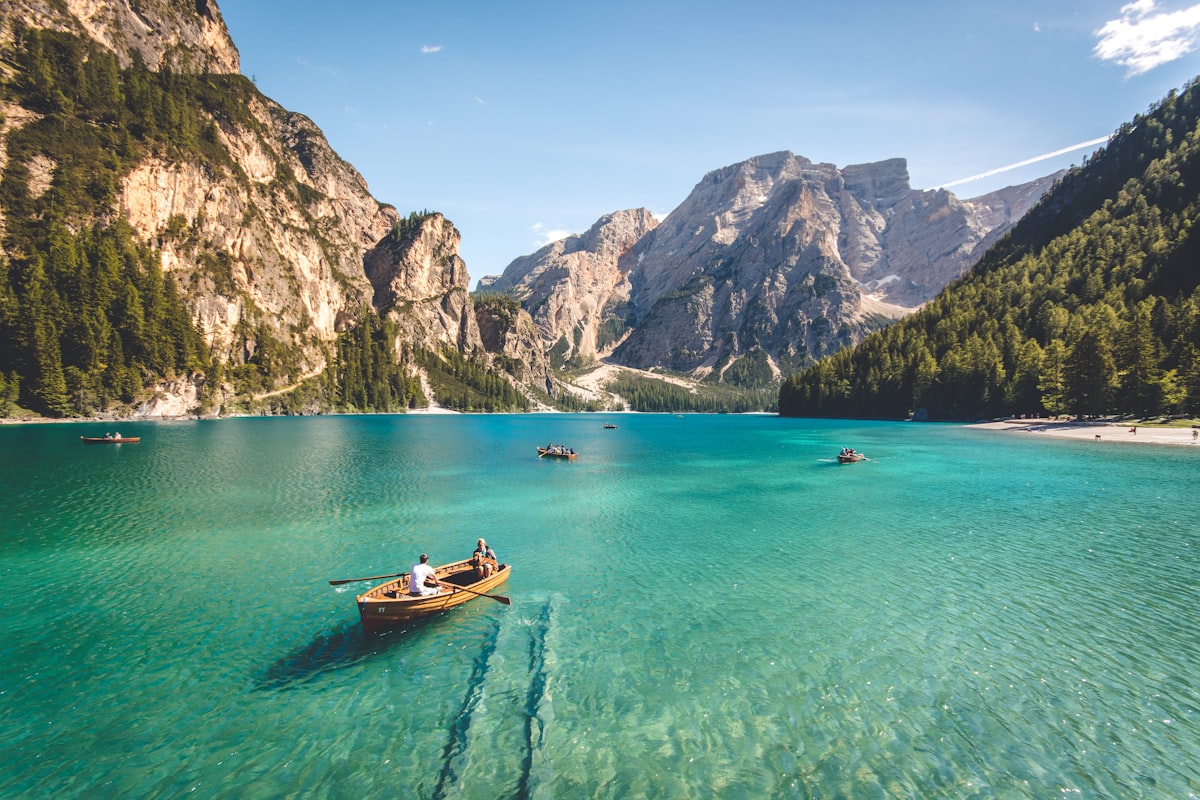
Lake shores are among the most reliable camp bases. Bosten Lake in the south and Sayram Lake in the north both have accessible verges where you can park level and wake to water. Respect any fence lines and private pasture, and prefer established lay-bys to soft ground that could trap a two-wheel-drive car after rain.
At night, the real show begins. Xinjiang’s dry air and distance from city light make for exceptional stargazing. The Milky Way is clearly visible from most camp spots between new moons. Bring a red-light headlamp to protect your night vision, and download a simple star map app that works fully offline before you lose signal.
Small things, big difference
Water is your first priority. Carry at least four liters per person per day, and in heat double that amount. A portable filter or purification tablets are useful backups but not a substitute for stored water on long desert stretches. Food is easy to buy in towns, so resupply at every stop and keep a spare day of rations in the car.
Respect local rules. Camping inside scenic areas and nature reserves is often restricted and policed, so use designated lots or pull well off the road on open public land. Never camp on farmland, near military installations, or inside border zones, all of which are marked and monitored. Leave no trace: pack out all rubbish, and bury human waste at least 30 meters from any water source.
Security checks are normal on Xinjiang roads. Keep your passport and any permits handy, and expect periodic police stations where IDs are scanned. This is routine and quick; cooperation keeps the trip smooth. Tell someone your route and expected arrival time, because phone signal vanishes across large remote areas.
Gear makes or breaks the trip. A warm sleeping bag rated to minus 5 or lower, an insulated mat, a windproof tent, a headlamp, a power bank, and a basic toolbox cover most situations. A small shovel, tire repair kit, and compressor are worth carrying once you leave paved roads. A paper map of the region is the one backup that never runs out of battery.
Day outings nearby
Pair campsites with landmark stops to break up the driving. The Flaming Mountains near Turpan make a dramatic sunset camp base, with the Jiaohe ruins and Karez wells a short drive away. Around Korla, Bosten Lake offers birdwatching and a rare freshwater shore where you can cool off and watch reeds sway at dawn.
In the north, Kanas and Hemu villages sit amid forest perfect for a multi-night stay, though the core reserve charges entry and restricts free camping inside. On the Pamir, Karakul Lake beneath Muztagh Ata is a classic high-altitude camp, but take altitude sickness precautions above 3,000 meters and acclimatize in Kashgar first.
Southern oasis towns like Yarkand and Hotan break up long desert drives with markets, mosques, and food worth the detour. Timing a camp near a Sunday bazaar lets you restock fresh produce and experience local life without a long detour from your route.
What stays with me
Camping on Xinjiang’s open roads is the difference between seeing the region and actually feeling it. With water, fuel, warm gear, and respect for local rules, you can turn empty kilometers into the most memorable nights of your entire trip. Start with a short loop near a hub, learn your vehicle’s limits, and let the horizon pull you further each time.
The road is long, the sky is huge, and the best camp is almost always the one you earn by driving to it. Pack light, drive slow, and leave every site cleaner than you found it. That simple discipline is what keeps Xinjiang’s wild places open for the next traveler who rolls in after dark.
One last point worth making: a single unplanned night by the road often becomes the standout memory of an entire trip. Travelers who book only hotels frequently name one spontaneous camp as their favorite evening in China. Leave gaps in your schedule so the best spot you happen upon is one you can actually stop at, not one you merely drive past.
If you take only one idea from this guide, let it be this: the camp is not the gap between sights but the sight itself. Plan the drive around where you will sleep, not just where you will go, and Xinjiang opens up in a completely different register. The road becomes a thread between quiet places rather than a tally of towns, and the trip gains a rhythm that hotels never allow. Give the open road a night or two of your itinerary and it will repay you with the kind of stillness you came all this way to find.