Xinjiang Cold Noodles (Liangpi) and the Summer Counter-Dish
Liangpi — cold wheat noodles with vinegar, garlic, and chili oil — is Xinjiang’s answer to summer heat. Here’s the dish, the regional twist, and where to find a good bowl.

Liangpi — cold wheat noodles with vinegar, garlic, and chili oil — is Xinjiang’s answer to summer heat. Here’s the dish, the regional twist, and where to find a good bowl.
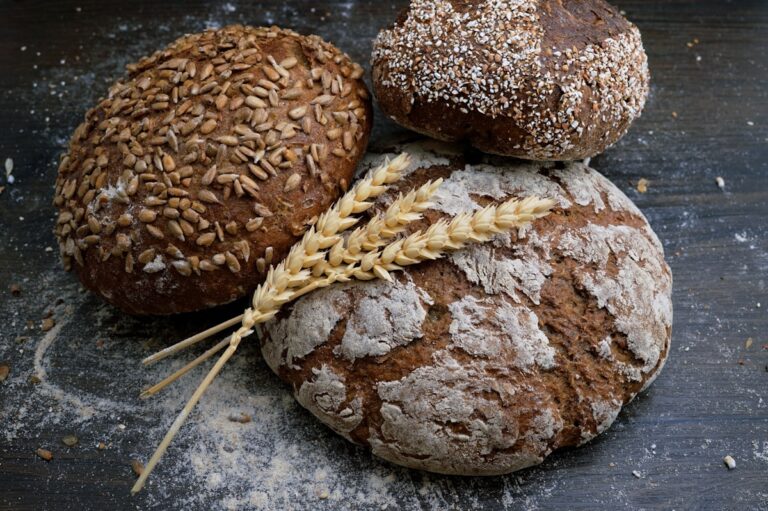
Breakfast in Xinjiang is simple — naan, milk tea, boiled eggs, and maybe jam. This guide covers the morning table across the region and how to eat like a local at first light.

Xinjiang can be done cheaply — buses, guesthouses, and bazaar food keep costs low. This guide covers the budget reality, the cheap sleeps, and how to see a lot for little.

Xinjiang can be done in comfort — four-star city hotels, private drivers, and curated yurt upgrades. This guide covers the premium way to see the region without roughing it.
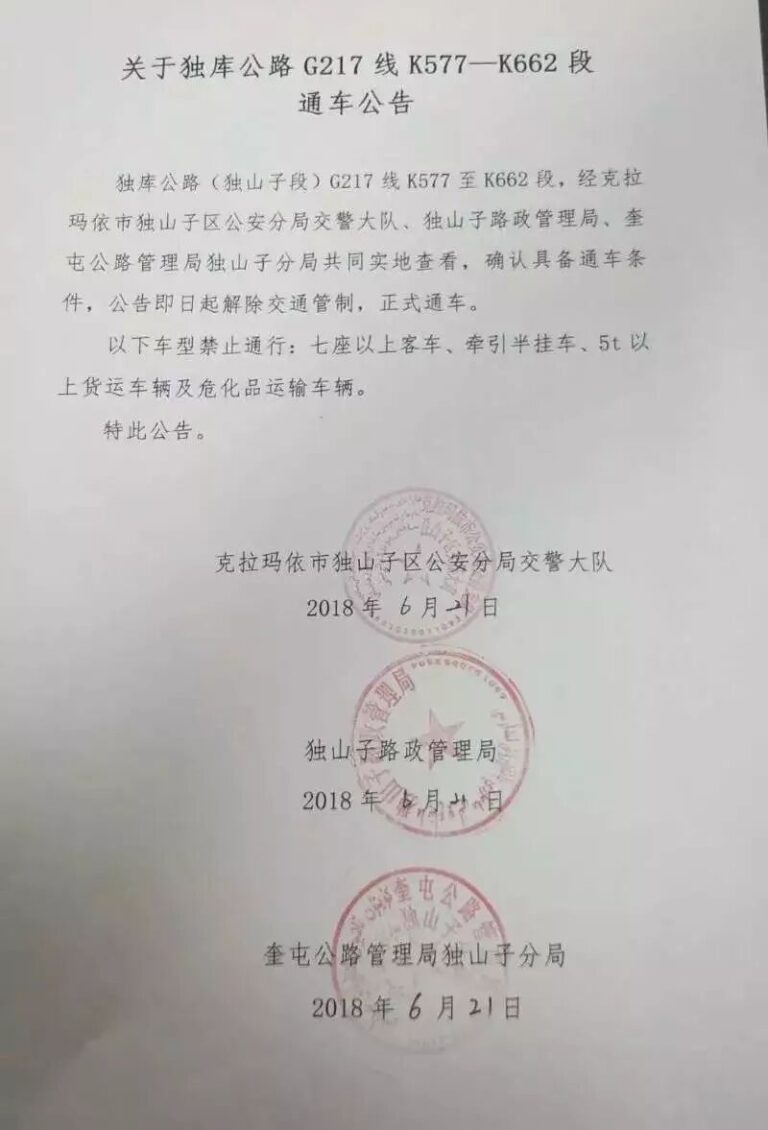
A Xinjiang self-drive lives or dies on what’s in the car. This guide covers the in-vehicle kit — spare, tools, water, and the items that turn a breakdown from crisis to inconvenience.

A Xinjiang self-drive built for photographers — sunrise at Hemu, dusk at Sayram, the Duku at golden hour. This sample route strings the icon shots with the timing that makes them.

Winter self-driving in Xinjiang means snow tires, chains, and closed passes. A practical cold-season driving guide for the region’s roads.
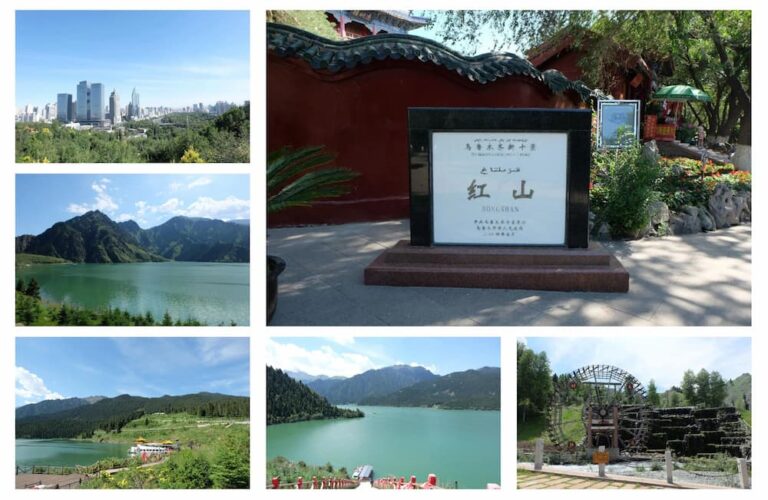
Urumqi’s Regional Museum holds the Tarim mummies, Silk Road artifacts, and the ethnic-groups hall that explains Xinjiang in one building. Here’s what to see and why it’s the best first stop.

When is the best month for Xinjiang? It depends on the region. This month-by-month calendar covers weather, road openings, festivals, and crowds across the whole region.
From kawap to polo to sanzi, Xinjiang’s menu has a vocabulary of its own. This glossary covers 20 key dishes and words so you can order, point, and eat with confidence.