Kanas Lake: The Mystical Alpine Gem of Xinjiang
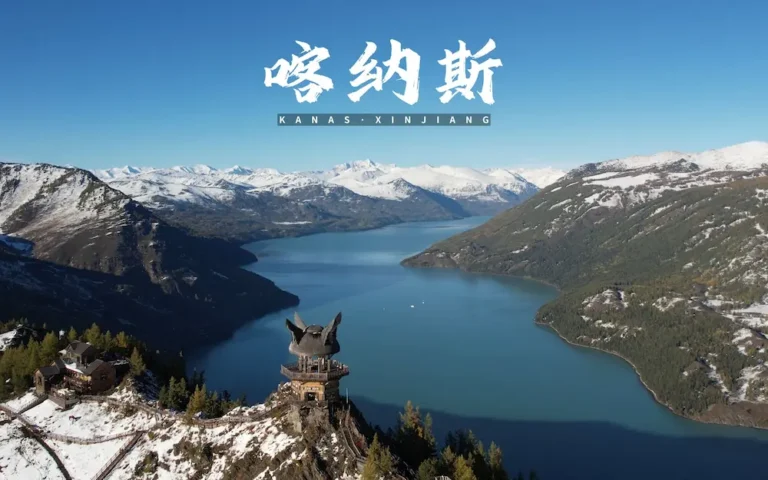
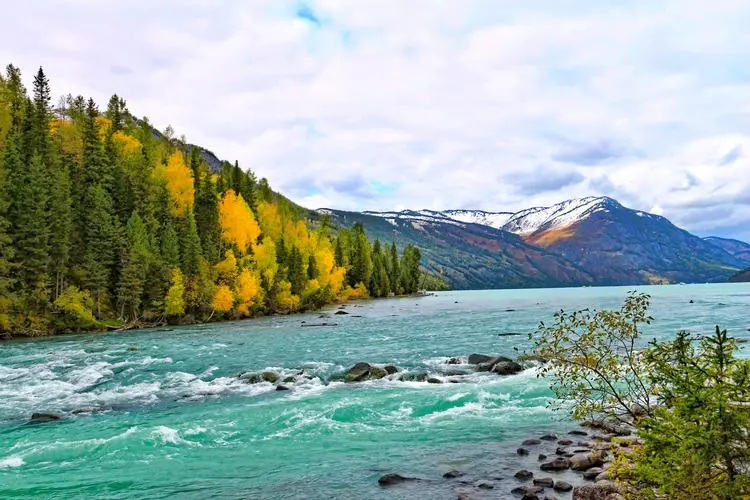
Nestled deep in the Altai Mountains of northern Xinjiang, Kanas Lake (喀纳斯湖) is often described as “China’s Switzerland” and “God’s Backyard”. This mystical alpine lake, with its ever-changing colors from emerald green to deep sapphire blue, has captivated travelers for centuries.
Last updated: July 15, 2026 · Written by Karl Huang, a Xinjiang travel specialist who has spent time across the region. Practical details are cross-checked against official tourism, transport, and border-regulation sources.
But Kanas Lake is more than just a pretty landscape. It’s a place of legendary lake monsters, ancient Tuvan villages, and pristine wilderness that feels worlds away from China’s bustling cities. As part of the Kanas Nature Reserve (UNESCO World Heritage Site), it offers some of the most spectacular mountain scenery in Central Asia.
This complete guide covers everything you need to know about visiting Kanas Lake: its fascinating legends, best viewpoints, hiking trails, accommodation options, and practical tips for making the most of your visit.
What Makes Kanas Lake Special?
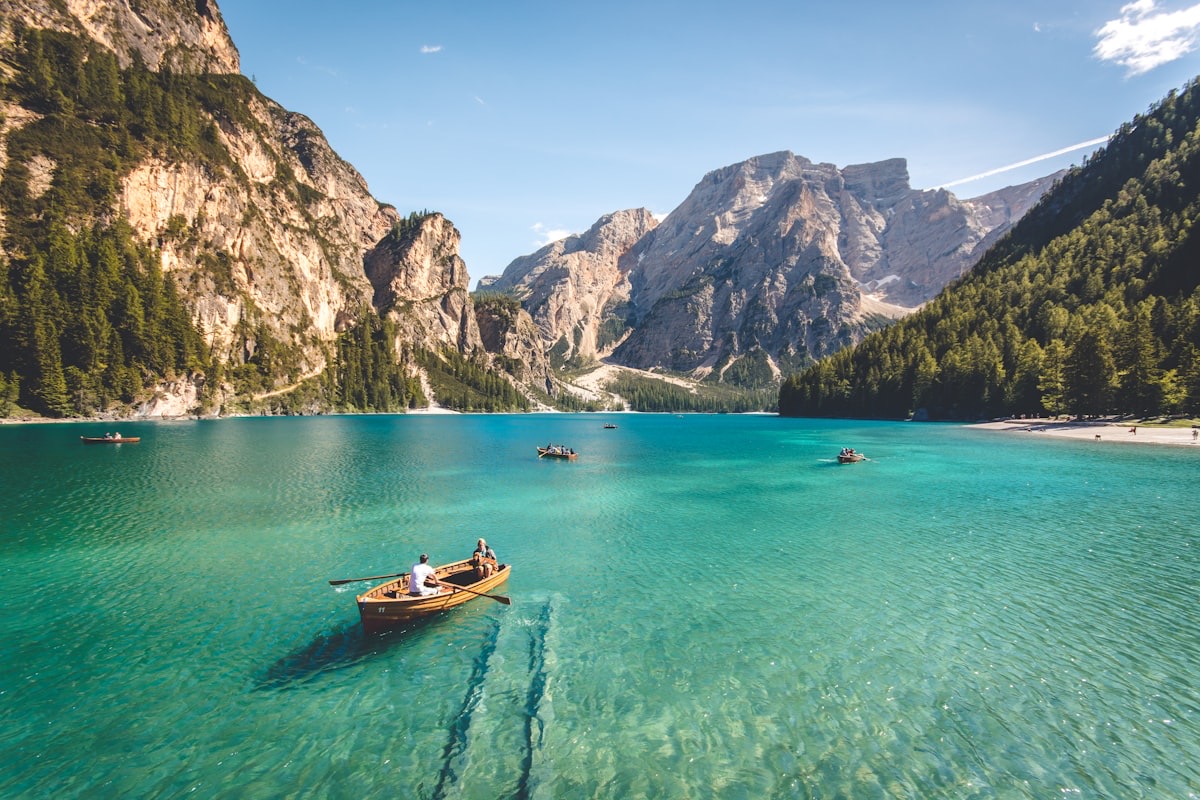
Kanas Lake is a glacial moraine lake formed during the Quaternary glaciation period. At an elevation of 1,374 meters (4,508 feet), it stretches for 24 kilometers (15 miles) with a maximum depth of 188 meters (617 feet).
The Legend of the Lake Monster
Kanas Lake is famous for its “lake monster” (湖怪) legends. Local Tuvan people have long told stories of large red fish (believed to be Hucho taimen, a type of salmon) lurking in the depths. Over the years, numerous sightings and videos have surfaced, sparking debates and attracting curious tourists.
While scientists attribute most sightings to large fish or optical illusions, the mystery adds to Kanas Lake’s allure. The lake’s color-changing properties (depending on weather, season, and time of day) only deepen the mystique.
UNESCO World Heritage Status
In 2013, Kanas Nature Reserve was inscribed as part of the “Xinjiang Tianshan” UNESCO World Heritage Site. It’s recognized for its exceptional natural beauty and unique biodiversity, including rare species like the Snow Leopard and Siberian Musk Deer.
Top Attractions in Kanas Scenic Area
1. Kanas Lake (喀纳斯湖)
The main lake is the centerpiece of the scenic area. You can:
- Take a boat cruise (120 RMB) across the lake for close-up views of the surrounding peaks
- Walk the lakeside boardwalk (free) for peaceful forest walks
- Photograph the changing colors — best at sunrise and sunset
2. Guanyutai (观鱼台, Fish Watching Platform)
Located on a hilltop 600 meters above the lake, Guanyutai offers the best panoramic view of Kanas Lake. You’ll need to:
- Take a shuttle bus from the visitor center (included in ticket)
- Climb 1,063 steps to the viewing platform (30-45 minutes)
- Enjoy 360-degree views of the lake, forest, and snow mountains
Best time to visit: Early morning (before 10 AM) for fewer crowds and better light.
3. Three Bays (三湾)
The Kanas River flows out of the lake, creating three famous bends:
- Moon Bay (月亮湾): A crescent-shaped river bend with footprint-like patterns on the riverbed (legend says they’re fairy footprints)
- Wolong Bay (卧龙湾): Resembles a sleeping dragon, with a small island in the middle
- Fairy Bay (神仙湾): Known for morning mist that creates an ethereal atmosphere
Photography tip: Visit Moon Bay at sunrise for the most magical light.
4. Kanas Village (喀纳斯村)
A Tuvan village near the lake, where you can experience:
- Tuvan culture — an ethnic group with roots in Mongolia and Siberia
- Traditional wooden houses and shamanic rituals
- Homestays with local families (150-300 RMB/night)

Best Time to Visit Kanas Lake
Kanas has four distinct seasons, each with its own beauty:
Summer (June – August) — Best for Hiking
- Temperature: 15-25°C (59-77°F)
- Pros: Green pastures, wildflowers, pleasant weather
- Cons: Peak season crowds, higher prices
Autumn (September – Early October) — Best for Photography
- Temperature: 5-15°C (41-59°F)
- Pros: Golden larch forests, clear skies, stunning fall colors
- Cons: Cold nights, limited accommodation
Peak autumn color period: September 20 – October 5
Winter (November – March) — Best for Solitude
- Temperature: -20 to -35°C (-4 to -31°F)
- Pros: Snow-covered wonderland, no crowds, magical silence
- Cons: Extremely cold, some facilities closed
How to Get to Kanas Lake
Option 1: Fly + Bus (Recommended)
- Fly from Urumqi to Kanas Airport (KNS) — 1.5 hours, flights daily (May-October)
- Take airport shuttle to scenic area — 1 hour, 80 RMB
Option 2: Bus from Urumqi
- Urumqi → Burqin — 10 hours, overnight sleeper bus (200-250 RMB)
- Burqin → Kanas — 4 hours, tourist shuttle (150 RMB round trip)
Option 3: Self-Drive
- Route: Urumqi → Fukang → Beitun → Burqin → Kanas (~800km, 12-14 hours)
- Tip: Split the drive with an overnight stop in Burqin
Tickets & Entrance Fees (2026)
| Ticket Type | Price (RMB) | Notes |
|---|---|---|
| Entrance + Shuttle Bus (May 1 – Oct 15) | 230 | Valid for 48 hours, 2 entries |
| Entrance + Shuttle Bus (Oct 16 – Apr 30) | 100 | Winter discount |
| Guanyutai (Fish Watching Platform) | 120 | Separate ticket, includes shuttle |
| Boat Cruise | 120 | 1-hour lake cruise |
Where to buy: Official WeChat mini-program “喀纳斯景区” or on-site ticket office.
Where to Stay
Inside the Scenic Area
- Kanas Village: Tuvan homestays (150-500 RMB/night), rustic but authentic
- New Kanas Village: Hotels and guesthouses (300-800 RMB/night)
Outside the Scenic Area
- Burqin County: More accommodation options, 2-3 star hotels (200-600 RMB/night)
- Hemu Village: Wooden cabins with stunning views (400-1000 RMB/night)
Photography Tips
- Best sunrise spots: Moon Bay, Fairy Bay (arrive by 6:30 AM in summer)
- Best sunset spots: Guanyutai, lakeside boardwalk
- Best autumn colors: Late September to early October
- Equipment: Wide-angle lens for landscapes, telephoto for wildlife
Travel Tips & Warnings
- Altitude sickness: Kanas is at 1,374m — mild symptoms possible for sensitive travelers
- Weather: Highly changeable — bring layers, rain jacket, and warm clothing even in summer
- Mosquitoes: Abundant in summer — bring repellent and cover skin
- Cash: ATMs are scarce — bring enough cash for small purchases
- Internet: Mobile signal is weak in remote areas — download offline maps
Nearby Attractions
- Hemu Village (禾木村): Another Tuvan village known as “God’s Own Land” — 2 hours from Kanas
- Baihaba (白哈巴): China’s northwesternmost village, border outpost — 2 hours from Kanas (needs border pass)
- Burqin Colorful Beach (五彩滩): Unique eroded landscape on the banks of the Irtysh River — 3 hours from Kanas
FAQs
Is Kanas Lake worth visiting?
Absolutely! It’s one of China’s most beautiful natural landscapes, comparable to Switzerland’s alpine lakes and Canada’s Rocky Mountains. The combination of pristine lake, snow-capped mountains, and diverse cultures makes it a must-visit destination in Xinjiang.
How many days do I need at Kanas?
Minimum 2 days to see the main sights. Ideal: 3-4 days to also visit Hemu and Baihaba villages at a relaxed pace.
Can I visit Kanas in winter?
Yes, but only if you’re prepared for extreme cold. The scenic area remains open, and the snow-covered landscape is magical. However, some accommodations and restaurants close for the season.
Final Thoughts
Kanas Lake is a place that stays with you long after you’ve left. Whether you come for the legendary lake monster, the breathtaking alpine scenery, or the unique Tuvan culture, you’ll find yourself planning a return trip before you’ve even departed.
Pro tip: Combine your Kanas trip with a visit to Nalati Grassland or Tianshan Mountains for a complete Xinjiang experience.
What’s the entrance fee?
Entrance fees vary by location but typically range from 50-150 RMB. Some areas offer combination tickets that include shuttle buses.
How do I get there?
Most attractions are accessible by car or bus from nearby cities. Hiring a private driver offers the most flexibility for multi-stop itineraries.
When is the best time to visit?
Summer (June-August) offers warm weather. Autumn (September-October) provides stunning colors with fewer crowds.