Xinjiang Almonds (Badam): The Sweet, Bitter, and Roasted Story of the Desert Nut
Ask for badam at a Xinjiang roadside stall and you will get a handful of the region’s signature nut — small, dense, and sweeter than the Californian kind. Almonds are one of the oldest crops of the Tarim and Jungar oasis belt, grown where the winter is cold enough to chill the trees and the summer hot enough to ripen the shells. They are eaten raw, roasted on every street corner, pressed for oil, and folded into the sweets that define a Silk Road feast. Here is the full story of the desert nut.
What “badam” means in Xinjiang
Badam is the Persian-derived word used across Xinjiang (and the wider Turkic world) for almond, and it is what you will hear in markets from Kashgar to Hami. Locals make no fuss about “sweet” versus “bitter” in conversation — they just know which ones to eat and which ones to use as medicine. The nut is so woven into daily life that a bowl of badam and raisins is the default hospitality snack offered to any guest.
Where they grow
The best Xinjiang almonds come from the southern oasis ring, where sandy soil and big day-night temperature swings build sugar and oil. Each zone has a slightly different nut.
| Region | Type you will find | Flavour profile |
|---|---|---|
| Hotan (Hetian) | Sweet, thin-shell | Mild, milky, easy to crack by hand. |
| Aksu | Medium, dense | Nutty and slightly sweet; the export favourite. |
| Kashgar oases | Mixed sweet | Variable; best bought fresh at the bazaar. |
| Yili (north) | Less common | Smaller crops, often sold with walnuts. |
How Xinjiang eats almonds
Roasted and salted on the street
The most common encounter is a wok of hot sand roasting badam with a pinch of salt, sold by the paper cone. They are eaten warm as a walk-around snack and pair naturally with sun-dried raisins.
In polo and pilaf
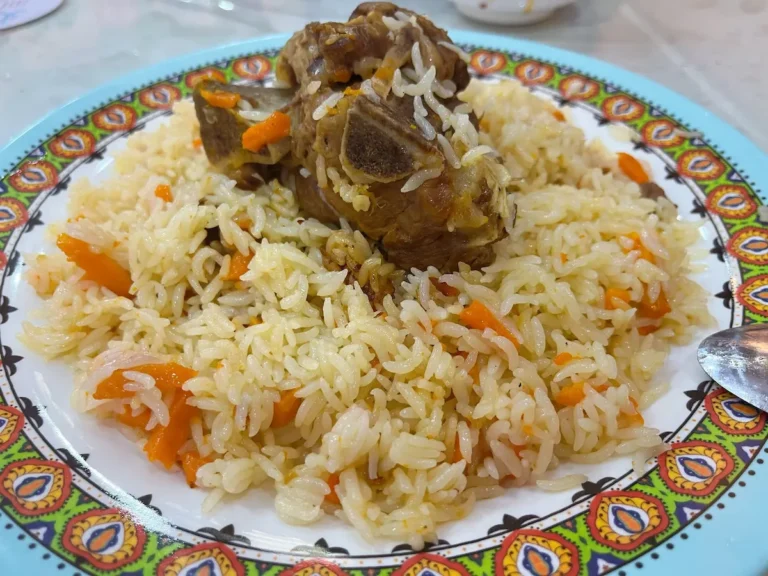
A proper polo (the local pilaf) is unfinished without a scatter of slivered almonds and yellow raisins on top; the nuts add crunch against the soft rice and carrot.
Almond oil and skincare
Cold-pressed badam oil is a home remedy for dry winter skin and hair across the region, sold in small bottles at apothecary stalls and used by mothers on babies.
Sweet treats and baklava
Crushed almonds go into the fruit-and-nut sweets and the layered baklava-style pastries found in Uyghur bakeries, where they sit alongside walnuts and pistachios.
Sweet vs bitter: the safety note
This is the one thing to take seriously. Sweet almonds are what you eat by the handful. Bitter almonds contain amygdalin, which releases cyanide; they are used in tiny amounts as flavouring or traditional medicine, never eaten raw in quantity. The rule for travellers: buy clearly labelled sweet badam from a food stall, and do not forage wild almonds.
| Feature | Sweet almond | Bitter almond |
|---|---|---|
| Taste | Mild, nutty | Sharp, medicinal |
| Common use | Eating, cooking, oil | Flavouring, TCM only |
| Safe to eat raw? | Yes, in normal amounts | No — limit strictly |

Buying almonds at the bazaar
For freshness and price, buy in-shell from a dried-fruit-and-nut stall rather than pre-bagged supermarket packs. Smell the batch (it should be clean, not rancid), crack one to check the kernel is plump, and ask the seller to roast a small scoop so you can taste before buying by the jin (500 g). Vacuum-sealed packs travel best; loose nuts go stale in a hot backpack within days.
Almond blossom season: when to time your trip
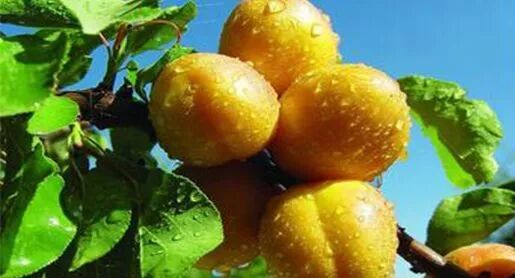
Every spring the oasis belts put on a quiet show. In Hotan and Aksu the almond and apricot blossom overlap in late March to early April, turning orchard villages white and pink for roughly ten days before the wind takes the petals. A few counties now stage small blossom festivals — nothing like the mass-tourism events elsewhere — where you can walk the orchards, drink fresh badam milk, and buy the season’s first nuts from the growers themselves. The practical upside for a food traveller is real: blossom time is when last year’s crop is cleared at a discount while you scout this year’s, so you get both the scenery and the best bulk price. Bring a light jacket; spring nights in the southern oases are still cold enough to need one, and the blossom fields are exposed.
Badam in traditional medicine and skincare
Beyond the snack bowl, the almond has a long medicinal resume in the region. Cold-pressed almond oil is the default household remedy for dry skin, chapped lips, and baby massage through the brutal continental winter; you will see small bottles in nearly every apothecary stall. In Traditional Uyghur medicine, ground sweet almond is used as a mild soothing agent for coughs and as a gentle laxative, usually mixed with honey. Cosmetic shops in Urumqi and Kashgar sell almond-based soaps and creams pitched at travellers with wind-burned faces from the desert drives. None of this replaces a pharmacy, but a small bottle of real badam oil is a genuinely useful, lightweight souvenir — and it doubles as a carry-on moisturiser on the bone-dry Xinjiang flights, where cabin air cracks skin within hours.
Almond milk and the roadside drinks stall
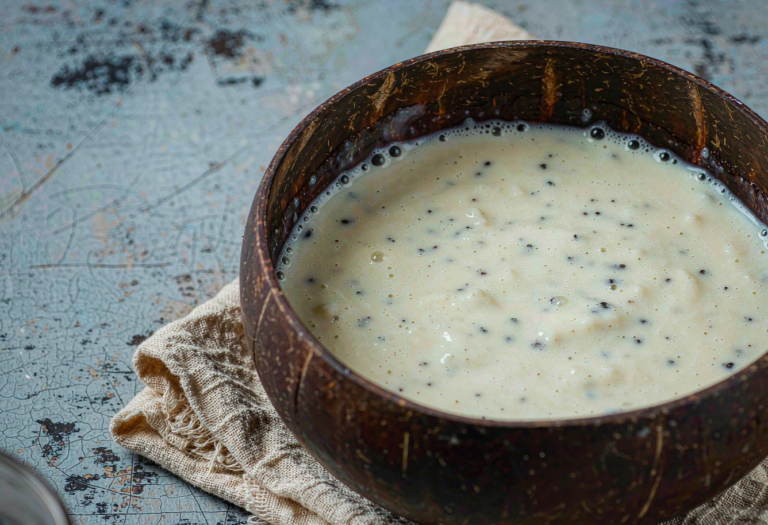
One of the most refreshing things you can drink in Xinjiang is fresh badam süti — almond milk — pressed at a street stall from soaked sweet almonds, sometimes blended with walnut or a date for sweetness and served cold in summer or gently warmed in winter. Unlike the carton stuff abroad, the local version is gritty, faintly oily, and unmistakably nutty, with no added sugar unless you ask. You will find it in the night-market drinks rows of Kashgar and Urumqi and at highway rest stops across the south. It is a brilliant mid-drive protein hit and a safe alternative to unboiled tap water; just confirm the stall is using peeled sweet almonds and not the bitter variety, which would make the drink bitter and mildly unsafe in quantity. A glass runs a few RMB and refills are normal.
A season by season read
Spring and early summer
Yes — the sweet variety sold everywhere is safe to eat raw in normal amounts. Just make sure you are buying food-grade sweet badam from a market stall, not unidentified wild nuts.
Summer
Sweet almonds are the snack; bitter almonds are high in amygdalin and used only as a trace flavouring or in traditional medicine. Never eat bitter almonds raw in quantity — they are not a travel snack.
Autumn
In-shell sweet badam typically runs 25–45 RMB per jin (500 g) at the bazaar in 2026, less in bulk during autumn harvest and more in tourist shops. Roasted-by-the-cone snacks are a few RMB each.
Winter
Roasted or processed nuts are usually allowed into most countries for personal use, but raw in-shell nuts often face agricultural restrictions. Check your home country’s rules and keep the receipt; vacuum packs are easier at the border than loose ones.
4
Aksu and Hotan are the benchmarks — Aksu for dense, sweet eating nuts and Hotan for thin-shell types you can crack by hand. Buy fresh at harvest (September–October) for the best batch of the year.