Crossing Xinjiang’s Borders: Khorgos, Alashankou, Torugart & Irkeshtam Explained
The first time I stood in the no-man’s-land between China and Kazakhstan, the wind off the Dzungarian plain was loud enough to drown out the loudspeakers. A minivan idled next to me, its roof rack stacked with boxes of Chinese snacks bound for Almaty. That is the real Xinjiang: not a destination you stop at, but the front door to Central Asia. If you are planning to cross one of Xinjiang’s international borders by road or rail, this guide is the briefing I wish I had before that first crossing.
Why Xinjiang is the gateway to Central Asia
Urumqi sits roughly 2,500 km west of Beijing and less than 400 km from the nearest foreign frontier. The region shares borders with eight countries, and the historical Silk Road ran straight through its passes. Four crossings handle almost all overland tourist traffic: Khorgos and Alashankou in the north (to Kazakhstan), and Torugart and Irkeshtam in the far south (to Kyrgyzstan). Each one feels like a different country already.
The four main crossings at a glance
| Crossing | Connects | Type | Typical hours | Best for |
|---|---|---|---|---|
| Khorgos (Horgos) | Xinjiang ↔ Kazakhstan (Khorgos, on the other side) | Road + pedestrian + free-trade zone | 09:00–18:00 (summer) | First-time crossers, buses to Almaty |
| Alashankou (Alashankou) | Xinjiang ↔ Kazakhstan (Dostyk) | Rail-focused, limited road | Daylight trains | Through-trains to Central Asia/Europe |
| Torugart | Xinjiang ↔ Kyrgyzstan (Naryn region) | Mountain road pass, ~3,700 m | ~10:00–16:00 | Overlanders heading to Bishkek |
| Irkeshtam | Xinjiang ↔ Kyrgyzstan (Osh region) | Mountain road pass, ~3,000 m | ~10:00–16:00 | Road route to the Fergana Valley |
Khorgos — the big, easy one
Khorgos is the crossing most travelers actually use. On the Chinese side it is a small city built around the port; on the Kazakh side the town is also called Khorgos. There is a duty-free zone you can walk through, and direct buses run to Almaty (around 4–5 hours). If your goal is simply “I want to say I crossed a border on the Silk Road,” this is the one to pick.
Alashankou — rail and freight
Alashankou handles enormous freight volumes and the China–Europe container trains. Tourist foot traffic is lighter and the road crossing is less tourist-friendly than Khorgos, but it is the practical gateway if you are on a through-train rather than driving yourself.
Torugart — into Kyrgyzstan over the roof of the world
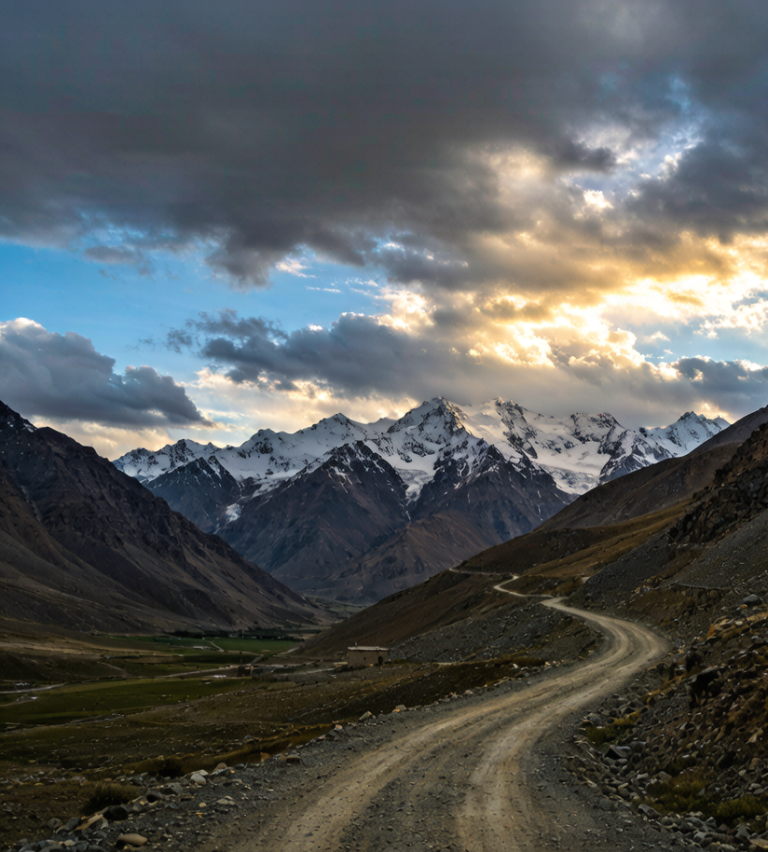
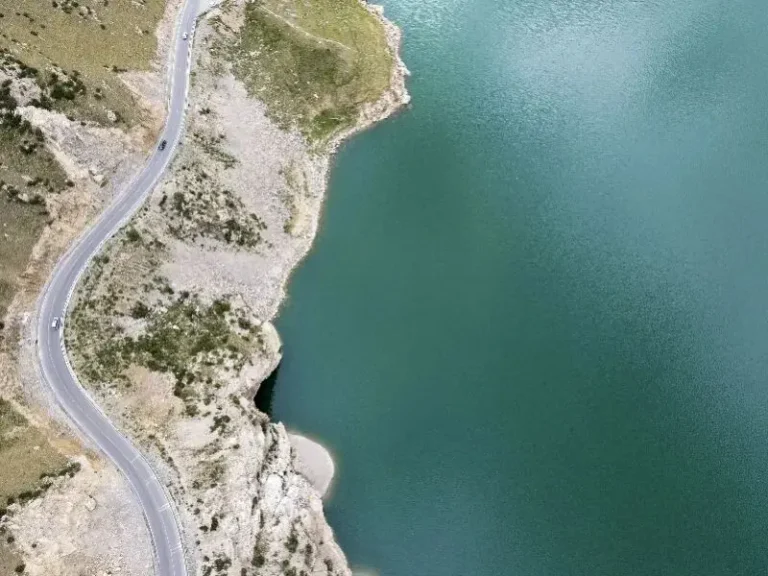
Torugart climbs to about 3,700 metres and is closed in deep winter. It connects to the Naryn region of Kyrgyzstan and is the classic overland route toward Bishkek and Issyk-Kul. Come prepared for altitude, cold, and a slow, bureaucratic day.
Irkeshtam — the southern road to Osh
Irkeshtam is the quieter southern crossing, feeding the road to Osh in the Fergana Valley. It is higher and more remote than Khorgos, and far fewer travellers use it, which can mean shorter queues but also fewer services on either side.
What documents you actually need
This is where most plans fall apart. A Chinese visa is not enough to leave through these ports if your paperwork does not line up. Here is the realistic checklist:
| Document | Required for | Notes |
|---|---|---|
| Valid passport + Chinese visa / residence permit | Everyone | Check 6-month validity; some crossings reject passports near expiry |
| Kazakhstan / Kyrgyzstan visa or e-visa | Foreign travellers | Citizens of many countries need one in advance; check current rules before booking |
| Border pass (if exiting from a restricted area) | Some southern routes | Issued via local PSB; tour operators often handle this |
| Vehicle documents (if driving) | Self-drive crossers | Carnet de passage strongly advised; confirm at the Chinese side first |
| Proof of onward travel | All | Bus or train ticket out helps at both booths |
The Xinjiang permit wrinkle
Parts of southern Xinjiang near the borders are subject to access controls, and certain frontier counties require a border permit (边境通行证) even for domestic travellers. If you are a foreign passport holder, treat any plan to reach Torugart or Irkeshtam independently as something to confirm with a licensed operator rather than winging at the gate. The southern crossings in particular are far smoother when arranged through a Kashgar-based agency.
Money, SIM, and logistics at the line
Change a little cash on the Chinese side before you go — the rate inside the port is poor and ATMs thin out fast once you cross. Roaming data usually keeps working for the first few kilometres, but buy a local eSIM or SIM on the other side as soon as you can. Keep your luggage organized: both sides photograph and sometimes inspect bags, and a tidy bag saves you a manual unpacking.

A typical crossing day
At Khorgos I arrived at 9:30, cleared Chinese exit in about 40 minutes, walked the short corridor, and queued for Kazakh entry. By early afternoon I was on a marshrutka to Almaty. At Torugart, by contrast, the same process took most of a daylight day because the pass closes early and both sides move slowly. The lesson: build a full buffer day around any crossing, and never book a tight onward connection on the same evening.
Border-town logistics: where to sleep and eat
Both sides of Khorgos have basic hotels, and the Chinese side has a cluster of noodle and barbecue joints that fill with truckers at night. If you are crossing early, sleep on the Chinese side and walk over fresh. At Torugart and Irkeshtam there is essentially no tourist infrastructure on the Kyrgyz side for the first stretch, so most travellers arrange a pickup in Naryn or Osh in advance rather than hoping for transport at the booth. I learned this the hard way at Irkeshtam, where the only vehicle leaving for two hours was a shared taxi already full — a pre-booked driver would have saved an hour of standing in the wind.
Common mistakes that get people turned back
The recurring ones are boring but real: an expired passport page, a visa that does not yet activate on the crossing date, and luggage that looks commercial without a customs declaration. Another is arriving after the pass has effectively closed — southern crossings wind down mid-afternoon and will simply wave you to the next day. Build the buffer, carry paper copies of every document, and treat the booth staff as tired people doing a hard job rather than obstacles to outwit.
Small questions, honest answers
Can I cross these borders on a Chinese tourist (L) visa?
Often yes for Khorgos by bus, but rules change and some crossings want proof of a Kazakh/Kyrgyz visa and onward travel. Confirm with the port or an agency within a week of travel.
Which crossing is easiest for a first-timer?
Khorgos. It has the most services, direct buses to Almaty, and a walkable duty-free zone that makes the border feel almost like a shopping trip.
Do I need a guide for Torugart or Irkeshtam?
For foreign travellers, practically yes. The southern passes are remote, high, and subject to controls; a Kashgar agency can arrange the permit, vehicle, and timing that independent travel usually cannot.
Can I take a train instead of driving?
Yes. Alashankou and the rail corridors carry through-trains toward Kazakhstan and beyond. You cross as a passenger rather than at a road booth, which removes most of the vehicle headaches.
What should I not carry across?
Fresh fruit, undeclared cash over the limit, and anything that looks commercial without paperwork. Dried Xinjiang snacks for personal use are usually fine, but declare them if asked.