Xinjiang’s Wild Apple Forests: Chasing Malus sieversii Blossom in the Ili Valley
Nobody comes to the Ili Valley for apple trees. People come for the grasslands, the Duku Highway, the lavender rows outside Huocheng. I ended up in a wild apple forest above Xinyuan almost by mistake, following a farm track because a guesthouse owner had said the word “yeguo” — wild fruit — and pointed uphill. Ninety minutes later I was standing in a hillside of gnarled, wind-bent trees older than anyone in the valley, and it quietly became the best half-day of the trip.
These are the wild apple forests of the Tianshan foothills: stands of Malus sieversii, the ancestor of every cultivated apple on earth. Not a metaphor, not a marketing line — genetic work has traced the domesticated apple back to exactly these Central Asian slopes. Walking through them is one of the few places in Xinjiang where the landscape is quietly world-significant and almost completely unvisited.
Why These Forests Matter
The wild apple belt runs along the northern slopes of the Tianshan, concentrated in the Ili Valley and the Gongliu, Xinyuan and Huocheng districts. The trees grow in mixed stands with wild apricot, wild walnut and hawthorn, forming what botanists call the Tianshan wild fruit forest. Individual apple trees can live well over a century; the trunks are twisted, hollowed and lichen-covered in a way that looks nothing like an orchard.
The fruit itself is small, hard, and mostly sour — some trees produce apples barely bigger than a cherry tomato, streaked red over green. Locals collect them for vinegar, jam and dried fruit rather than eating them raw. If you bite one straight off the branch, expect a face-scrunching tartness with a real apple perfume behind it.
A living gene bank under pressure
These stands are protected, and for good reason: they carry disease-resistance genes that commercial apple breeding badly needs, and the population has been shrinking for decades from grazing, insect outbreaks and land conversion. You will see fenced enclosures and replanting plots on some slopes. Stay out of fenced areas, do not strip fruit from branches, and do not carry seed or cuttings out of the country — that is both a legal and a biosecurity issue.
Where to See Them
There is no single ticketed “wild apple forest park” that dominates, which is exactly why the experience stays quiet. Instead there are several access points of varying convenience.
| Area | Access | Effort | What it is like |
|---|---|---|---|
| Xinyuan (Kunes) foothills | Farm tracks off the valley road; hire a local car | Moderate; short uphill walking | Densest old trees, best blossom, no facilities |
| Gongliu wild fruit valley | Signed side road, some boardwalk | Easy | Most developed; small entry fee in season |
| Huocheng slopes | Combine with the lavender fields | Easy | Scattered stands, good for a short stop |
| Kuerdening fringes | Inside the wider heritage forest zone | Moderate to hard | Mixed fruit and spruce, genuinely wild feel |
| Yining day trip | Chartered car from the city | Easy but long drive | Best if you have only one spare day |
Practically, most travellers base in Yining and drive out. The valley road east toward Xinyuan and Gongliu is the spine of the whole thing, and it overlaps almost entirely with the route I describe in the Ili Valley scenic drive — which means you can fold a fruit-forest morning into a grassland trip without adding a day.
Timing: Blossom, Fruit, and Colour
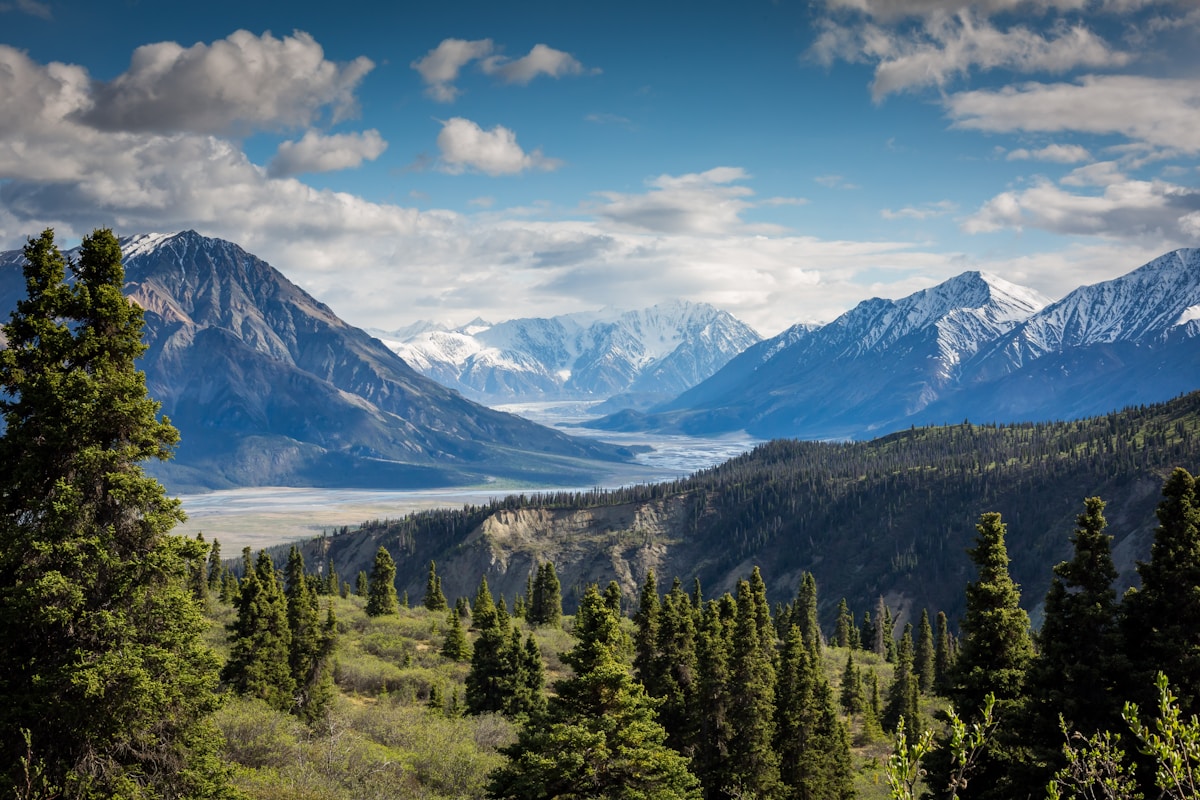
Getting the season right is the whole game here. Miss blossom by ten days and you are looking at green hillsides.
| Window | What you see | Notes |
|---|---|---|
| Late April | Apricot and early blossom lower down | Valley floor first; slopes still bare |
| Early-mid May | Peak wild apple blossom | The target window; white-pink, heavy bee activity |
| Late May | Blossom fading, grass tall and green | Still beautiful, fewer photographers |
| July-August | Small green fruit, deep shade | Pair with grassland season; hot in the valley |
| Mid-late September | Ripe sour fruit, first yellowing | Best for tasting and buying local vinegar |
| October | Autumn colour, bare branches by month end | Cold mornings, dramatic light |
Altitude shifts everything by up to two weeks: the lower valley blossoms first, the upper slopes last. If you arrive and are told you are late, drive higher. That single trick saved my trip.
What to bring
Sturdy shoes with grip — the slopes are loose and often muddy under the trees in spring. Long trousers, because the undergrowth hides ticks in early summer. Water, since there are no shops on the tracks. A wind layer, because these are north-facing slopes at 1,200-1,800 metres and the temperature drops fast when cloud comes over. And cash in small notes if you plan to buy fruit or vinegar from a farm gate.
Photographing the Forests
The trees photograph badly in flat midday light and beautifully in the first two hours after sunrise, when low sun rakes through the trunks and the blossom glows. Because Xinjiang runs on a local rhythm roughly two hours behind the official clock, sunrise in May is late — you can have breakfast and still be in position, which is a rare luxury.
My advice: shoot the gnarled individual trunks rather than trying to capture the whole hillside. A single 120-year-old tree with the Tianshan behind it says more than a wide shot of scattered white. Get low, use the branch structure as a frame, and include a person for scale if you have one.
Combining with a Yining base
Yining is the only sensible base: it has the airport, the train connection, the hotels and the car-hire options. Two nights lets you do one fruit-forest morning and one grassland day comfortably. The practical detail on getting around, eating and choosing a neighbourhood is in my Yining city guide.
What you will spend, and where
| Item | What it costs | Note |
|---|---|---|
| needing a ticket | varies | Mostly no. Developed sections such as the Gongliu wild fruit valley charge a modest entry fee in season and may run a shuttle. Open foothill stands reached by farm track are usually free, but they cross grazing land — if a herder waves you off a slope, respect it and find another track. |
| reach them without my own car | varies | Not easily. There is no public transport to the trees themselves. The realistic options are a chartered car with driver from Yining or Xinyuan for the day, or a guesthouse owner willing to drive you for a fee. Agree the price and the waiting time before you leave. |
| timing | varies | Half a day from Yining is tight but workable if you go to Huocheng. For Xinyuan or Gongliu, allow a full day with three to four hours of driving. Two hours on the slopes is plenty for most people. |
The numbers above are what I paid on my own trips; add roughly a fifth for a private car and driver if you are travelling with someone else. Anything marked roughly is a bazaar price in high season, and it moves with demand.