Xinjiang Photography Guide: Best Shots, Light, and Gear by Region
I landed in Urumqi with a pro body and three lenses, and within a week I had switched to a single zoom and a phone. Xinjiang teaches you to travel light. The distances are enormous, the light changes by the minute, and the best frame is usually the one you can grab before the bus leaves or the wind picks up. This is the practical photography guide I built after a year of chasing light across the region — where to shoot, when the light is right, what gear is worth the weight, and the small habits that turn a snapshot into a photograph you actually print.
Understand the Light First
Xinjiang’s light is its signature. High altitude and dry air mean brutal midday contrast and impossibly soft golden hours that last longer than you expect. The magic window is the 90 minutes after sunrise and before sunset. Blue hour is short but spectacular over water. In summer the sun barely sets before 10 p.m. up north, giving you a long, lazy evening shoot around Kanas Lake and the alpine lakes. Learn the rhythm of the day and you will stop fighting the light and start using it.
Region-by-Region Shot List
Northern Xinjiang: Lakes, Forests, and Fog
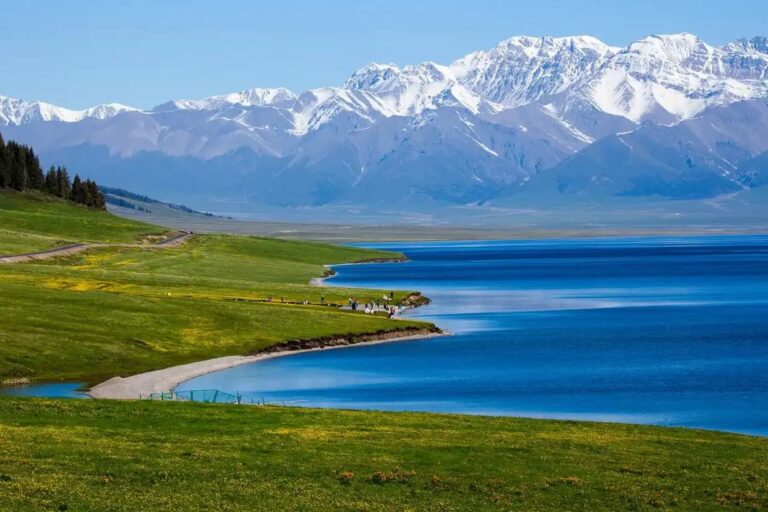
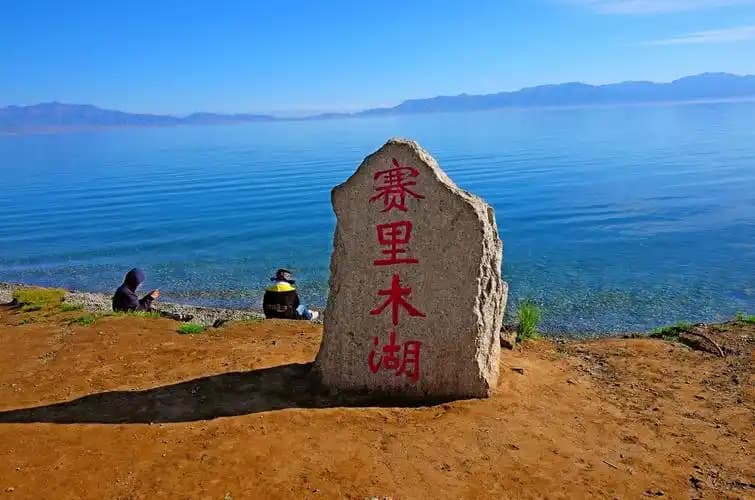
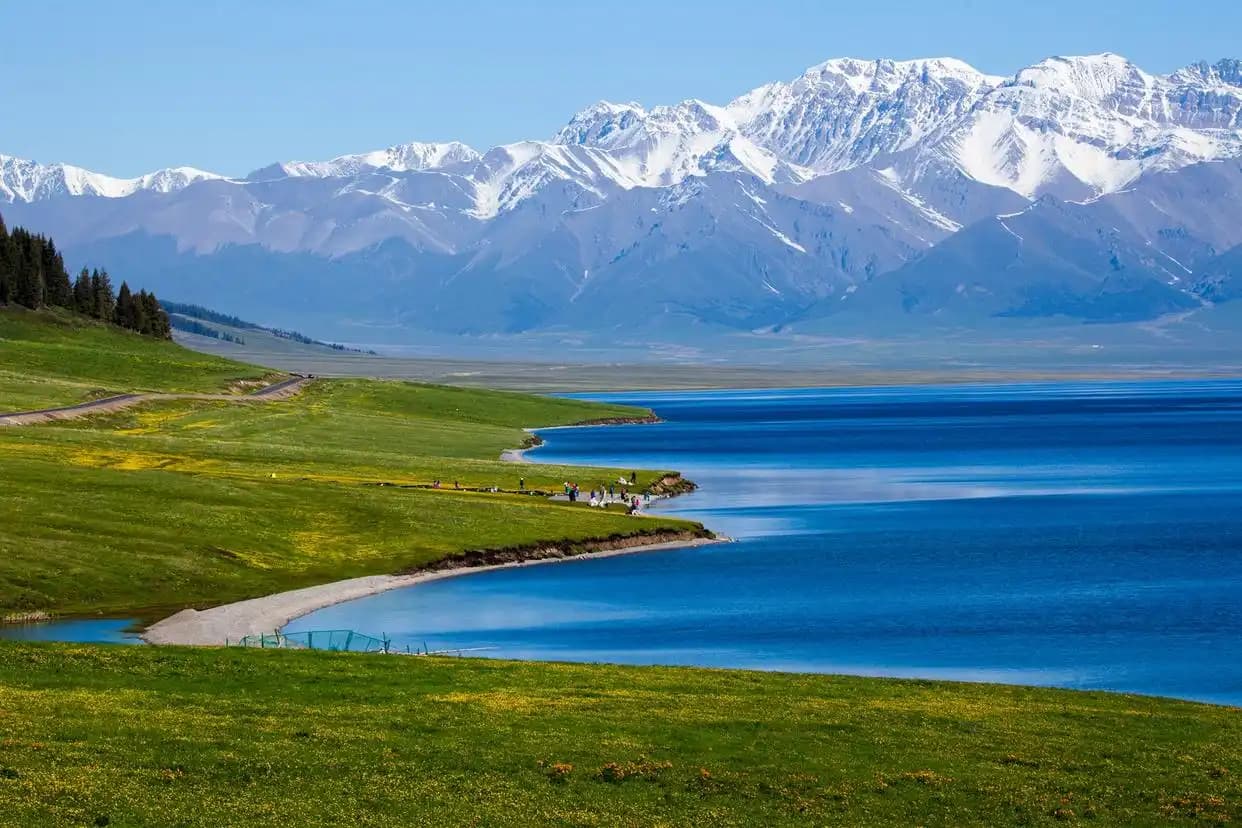
Kanas and Sayram are built for reflection shots — shoot the lake at dawn before the wind wrinkles the surface. The Three Bays (Moon, Immortal, Wolong) reward a telephoto to compress the river bends. In autumn the birch forests turn the valleys gold; a polarizer cuts glare off wet leaves and deepens a already-saturated sky. Arrive the evening before so you can be at the viewpoint for first light rather than racing there in the dark.
Southern Xinjiang: Dust, Walls, and Faces
Kashgar’s Old City is a maze of textured mud-brick and laughing children — prime for candid street work with a fast prime lens. The Taklamakan’s edge gives minimalist dune shots at low sun, where a single camel track becomes a leading line. The Pamir Plateau delivers raw mountain drama but tests your lungs and your sensor (bring a blower for dust, and watch for condensation when you move between cold passes and warm teahouses).
The Grasslands and Roads
The Duku Highway and the Ili grasslands are about motion and scale. Pull over at the marked viewpoints, not on blind curves. Wide-angle from a low tripod turns a normal pasture into a poster, and a slow shutter of a passing herd suggests movement that a static frame cannot.
Gear That Earns Its Weight
| Item | Recommendation | Why |
|---|---|---|
| Body | APS-C or full-frame mirrorless | Light, weather-sealed, great high-ISO for blue hour |
| Walk-around lens | 24–105mm (or 24–70mm) zoom | One lens covers 90% of shots |
| Optional telephoto | 70–200mm or 100–400mm | Bays, wildlife, compressing mountains |
| Filters | CPL + ND | Tame glare on water and lakes |
| Support | Light travel tripod | Blue-hour and long exposures |
| Power | 2–3 spare batteries + power bank | Cold drains cells fast on the plateau |
Leave the heavy primes at home unless you have a specific project. On the Pamir and in winter, cold kills batteries in minutes — keep spares inside your jacket and rotate them. A magnetic filter system saves time when the light is changing by the second.

Camera Settings That Work Here
For landscapes, shoot aperture around f/8–f/11 for front-to-back sharpness, ISO as low as the light allows, and bracket exposure for the bright sky. For street work in the Old City, switch to aperture-priority around f/2.8–f/4, ISO auto, and zone-focus a few meters ahead so you are not fumbling with focus as a moment passes. Shoot RAW — the dynamic range rescue you will need when a whitewashed wall blows out next to a shadowed doorway.
Wind is the quiet enemy here. On the grasslands and the high passes a gust can blur a long exposure or shake a light tripod, so weigh the tripod down with your bag and use a shutter delay or remote. When the wind is constant, embrace it: a deliberate slow shutter on a field of tall grass turns a static landscape into something alive, and a half-second exposure on a flapping market banner adds a motion the eye remembers better than a frozen frame.
Timing Your Trip Around the Light
Season decides everything. Our season-by-season breakdown explains the trade-offs, but for photographers: autumn (September–October) is the safest bet for color and stable weather across both north and south. Spring brings wildflowers on the grasslands but unpredictable dust storms that flatten the light. Winter is empty and magical on the lakes but brutally cold for gear and fingers.
Practical Habits That Save Shots
Shoot at the Edges of the Day
Plan your driving around the light, not the other way around. I schedule long transfers for midday and reserve dawn/dusk for locations I have already scouted the day before. A recce walk at sunset tells you exactly where the sun will land at sunrise.
Protect Against Dust and Cold
Swap lenses in a bag, never in the open at a bazaar or on the Pamir. A simple UV filter on every lens is cheap insurance against scratches from blown sand. After a dusty day, wipe the body with a dry cloth and store with silica gel so the next morning’s condensation does not pool on the sensor.
Ask Before You Publish Faces
A great portrait is worthless if it offends. Build rapport, show the screen, and offer to send the photo. People across Xinjiang are wonderfully generous once they trust you, and a shared laugh often leads to an invite indoors where the real pictures live.

A Note on Borders and Permits
Several of the most photogenic zones — the Khunjerab corridor, parts of the Pamir, and some lake viewpoints — sit in border control areas. Carry your passport and any required permit, and ask before photographing military or checkpoint infrastructure; pointing a long lens there is a fast way to lose your card and your afternoon. Respect the line and the landscape is more than enough.
Things I wish someone had told me
The trap here: Needing a drone in xinjiang
Not for good photos, and drones are restricted near borders, airports, and many scenic areas. Check local rules and register if required. A good zoom lens often does the job better and with fewer headaches, and you avoid the disappointment of having a drone confiscated at a checkpoint.
Where people slip: Single best time of day to shoot
The first 90 minutes after sunrise. Water is calm, the light is warm but soft, and sites are empty of tour groups. Sunset is a close second; midday is for rest, transit, or the occasional high-contrast graphic shot in the Old City.
The usual error: Protect my camera from the dust
Use a UV filter, change lenses inside a bag, and carry a rocket blower. After a Pamir or Taklamakan day, wipe the body with a dry cloth and store with silica gel. Never blow compressed air into the sensor yourself unless you know the procedure — a spec of sand can scratch it.
Easy to get this wrong: Phone enough
Modern phones are excellent for social shots and even print-quality landscapes in good light. The limit is low-light, zoom, and dynamic range — exactly where a mirrorless pulls ahead at blue hour and on the high plateau where contrast is extreme.
The trap here: Etiquette i should know when photographing peo
Always ask, show the result, and offer to share it. In religious or festival settings, be especially sensitive. A little Mandarin or Uyghur courtesy turns a stranger into a collaborator, and the best portraits in Xinjiang came from hosts who first fed me and then posed me in their best light.