Cycling in Xinjiang: A Practical Guide to Road Bike Touring the Silk Road Region
There is a particular kind of freedom in crossing a Xinjiang landscape under your own pedal power — the wind off the Taklamakan, the slow climb toward a Tianshan pass, the sudden blue of a lake you earned the right to see. More travelers are discovering that Xinjiang’s epic roads are just as good on two wheels as in a car, and that the region’s mix of long flat oasis highways and brutal beautiful mountain climbs makes it a sleeper destination for touring cyclists.
This guide is for road and touring cyclists, not mountain bikers (that is a different discipline). It covers where to ride, when, what to carry, and the permit and safety realities you must plan around before you clip in. It is written from the perspective of someone who has watched too many travelers underestimate the distance between two dots on a Xinjiang map — the region rewards preparation and punishes bluffing.
Is Xinjiang Good for Cycling?
Surprisingly yes, if you plan. The region offers two very different riding profiles:
- Oasis flats: The Tarim and Turpan basins are gently graded, low-traffic (outside city cores), and blessed with endless straight roads — perfect for building big distance days.
- Mountain spine: The Tianshan and Pamir highways (including the legendary Duku Highway) deliver 2,000–3,000 m climbs with glacier views — the kind of riding cyclists travel the world for.
The challenge is not the terrain; it is the distance between services, the heat, and the wind. A good Xinjiang bike trip is a logistics exercise as much as a fitness one.
Best Routes for Touring Cyclists
| Route | Profile | Distance | Difficulty |
|---|---|---|---|
| Turpan oasis loop | Flat, dry | 60–120 km/day | Easy–moderate |
| Northern Xinjiang lake loop | Rolling hills | 80–140 km/day | Moderate |
| Duku Highway (north section) | Big climbs, high passes | 100–120 km/day | Hard |
| Kashgar–Tashkurgan (G314) | Gradual altitude gain | 90–130 km/day | Hard (altitude) |
The Duku Highway deserves a special note: it is one of the most scenic paved roads in China, but it is also seasonal (usually open June–September), capped at certain vehicle types, and subject to weather closure. Cyclists are allowed on most sections, but check current rules before committing — and never assume a pass is open on a given day.
When to Go
| Season | Cycling conditions | Verdict |
|---|---|---|
| May–Jun | Mild basins, snowed passes clearing | Good for flats; marginal for high passes |
| Jul–Aug | Warm, lush mountains; basin heat | Best for mountain routes; avoid midday basin rides |
| Sep–Oct | Cool, clear, golden foliage | Excellent overall; Duku may close late Oct |
| Nov–Apr | Freezing, snow, closed passes | Not recommended |
Gear and Bike Choices
- Bike: A touring or gravel bike with 35–45 mm tires handles both broken asphalt and the odd dirt connector. Pure road racing bikes are fine on the main highways but punishing off them.
- Carrying: Panniers plus a handlebar bag; a trailer is overkill for supported trips. Most riders ship a bike box ahead or rent locally in Urumqi.
- Heat kit: 4+ liters of water capacity, sun sleeves, and a buff — the basin sun is no joke.
- Navigation: Offline maps (OsmAnd / Gaode cached) — signal drops on mountain stretches.
Permits and Paperwork
Most of Xinjiang is open to domestic and foreign cyclists without special permits, but two rules matter:
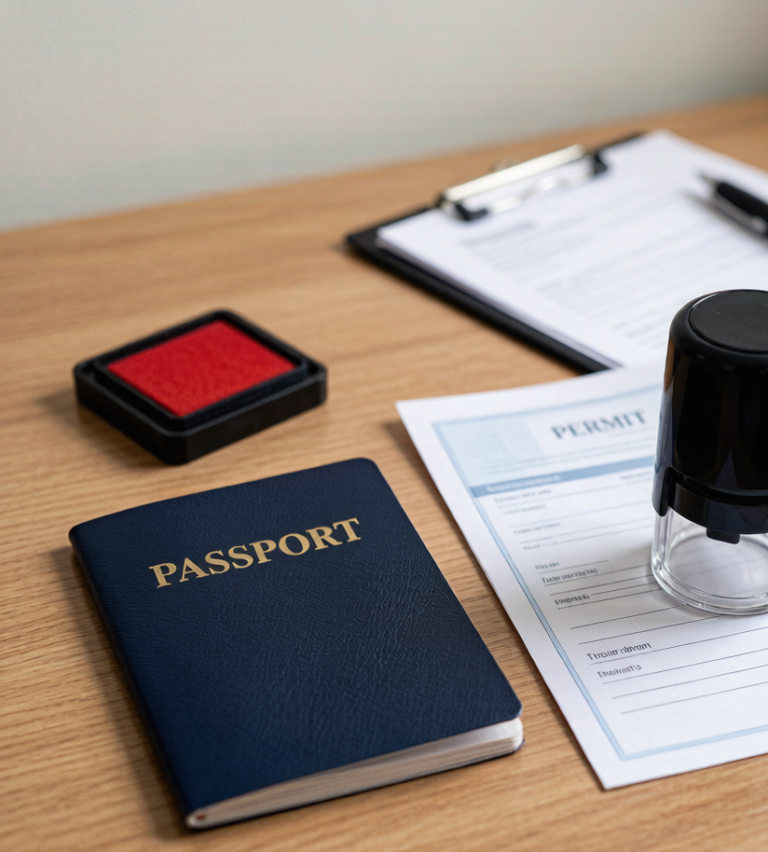
- Border areas: Routes toward Tashkurgan / Khunjerab and other frontier zones need a border permit (边防证) obtained in Kashgar. Plan this before you ride out.
- Registration: Foreign travelers must complete temporary residence registration when staying overnight — trivial in hotels, but relevant if you wild-camp (which is discouraged; see safety below).
Safety and Etiquette
- Traffic: Some highways have wide shoulders; others do not. Ride defensively, use a rear light even by day, and pull off for truck traffic.
- Wind: Basin roads can have 30–50 km/h crosswinds that will blow you into a ditch. Check wind forecasts; ride early.
- Water and shade: On remote passes, the next shop can be 60+ km away. Never start a desert leg low on water.
- Camping: Wild camping is legally and practically fraught in Xinjiang; plan stays in towns and yurt/guesthouse stops instead.

Self-Supported vs. Guided
First-time visitors often join a supported bike tour (van follows with luggage and water) — this removes the logistics burden and lets you focus on the climbs. Experienced tourers go self-supported, but should build in buffer days for heat, wind, and the occasional closed pass. Either way, tell someone your daily endpoint, carry a power bank for your phone, and resist the temptation to chase big distance in the basins during summer — the ride you enjoy is the one where you reach shade before noon.
Training and Fitness Prep
The flats are accessible to almost any fit rider, but the mountain routes are a different proposition. Before attempting the Duku or a Pamir approach, build a base of back-to-back long rides with sustained climbs — ideally simulating 1,500–2,500 m of gain per day. Altitude compounds fatigue: the Kashgar–Tashkurgan road gains roughly 2,000 m over two days, and even strong sea-level riders feel it. Arrive a few days early in Kashgar to acclimate, and keep the first high day deliberately short.
Shipping and Renting a Bike
| Option | Pros | Cons |
|---|---|---|
| Fly with your own (boxed) | Perfect fit, known mechanics | Airline fees, box handling risk |
| Buy secondhand, resell | No shipping hassle | Time cost, resale loss |
| Rent in Urumqi | Zero transport | Limited touring models |
| Supported tour bike | Van carries load + spares | Less independent |
Most international carriers treat a bike box as standard oversized baggage, so budget for the fee both ways. Pack a spare foldable tire, a clutch of quick-links, and any proprietary tools — small parts are hard to find outside Urumqi. A basic phrase note for “bike shop” and “puncture” in Chinese helps when you are far from the capital.
Questions from readers
Do I need a special visa or permit to cycle Xinjiang?
A standard China tourist visa covers most riding. Only border-zone routes (e.g., toward Tashkurgan) need the additional 边防证 border permit, which you get in Kashgar before riding out.
Can I rent a bike there instead of flying mine in?
Yes — Urumqi and a few tourist towns have rental shops, though touring-specific bikes are limited. Serious riders usually ship their own bike as checked baggage or buy secondhand and resell it.
Is the Duku Highway open to bicycles?
Generally yes on most sections, but it is seasonal (≈June–September) and weather-dependent, with periodic closures. Confirm the current opening status and any vehicle-type restrictions with local transport info before you commit.
How fit do I need to be?
For oasis flats, a fit recreational rider is fine. For Duku or Pamir climbs, train for continuous 1,500–2,500 m elevation gain days — these are not beginner mountains.
Is it safe to drink the water I carry?
Carry bought water or treat/filter; do not rely on stream water near grazing land. In towns, sealed bottles are cheap and everywhere.
What about the wind and heat?
They are the real opponents. Ride at dawn, rest midday in basin areas, and always carry more water than you think you need. The Duku and northern loops are far kinder than the open Tarim in summer.