Birdwatching in Xinjiang: A Field Guide to the Region’s Best Sites
The first time I truly understood Xinjiang as a birding destination was standing at the southern shore of Bosten Lake at 6 a.m., when several thousand geese lifted off the reeds in a single rolling wave of wings. I had come for the landscapes and stayed for the birds. If you travel with binoculars instead of just a camera phone, this region — at the crossroads of the Central Asian and Himalayan flyways — will surprise you. This is a practical, first-person field guide to where, when, and how to birdwatch in Xinjiang without wasting a single dawn.
Why Xinjiang Punches Above Its Weight
Xinjiang sits where three major migration corridors overlap: the East Asian–Australasian flyway bends west here, the Central Asian route runs straight through the Tarim and Junggar basins, and the Himalayan path funnels birds across the Pamir and Kunlun. The result is a mix you rarely see elsewhere — tundra species from the north, desert specialists from the south, and alpine birds from the roof of the world, often in the same week of travel. The habitat range is the real draw: alpine lakes, vast inland seas, reed wetlands, cold deserts, and 4,000 m plateaus are all reachable by road.
Best Regions at a Glance
| Region | Signature species | Best season | Base town |
|---|---|---|---|
| Bosten Lake | Greylag & bar-headed geese, flamingo, egret, ducks | Apr–May, Sep–Oct | Korla |
| Sayram Lake | Bar-headed goose, swans, waders, raptors | May–Jun, Sep | Wenquan / Yining |
| Pamir Plateau | Tibetan snowcock, Himalayan griffon, geese | Jun–Aug | Tashkurgan |
| Tarim Basin edge | Houbara bustard, MacQueen’s bustard, desert sparrows | Mar–Apr, Oct–Nov | Kashgar / Aksu |
| Tian Shan foothills | Lammergeier, golden eagle, snowcock, chough | Jun–Sep | Urumqi / Fukang |
The Birds You Came For
Bosten Lake’s geese and flamingos
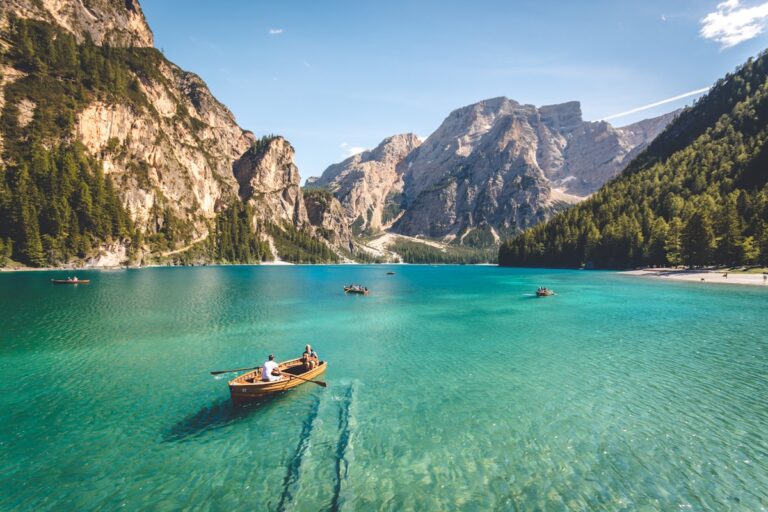
Bosten is Xinjiang’s largest inland freshwater lake and the single best easy-access birding stop in the region. Spring brings tens of thousands of geese and ducks to the reed fringes, and a small but reliable population of flamingos uses the saline margins. Arrive before 7 a.m. and hire a local boat or walk the eastern causeways; the light is best and the birds are still feeding.
Bar-headed geese on the high lakes
Sayram Lake, sitting above 2,000 m, is the place to see bar-headed geese — the highest-flying birds on Earth — plus whooper and mute swans in early summer. The ring road gives you multiple pull-offs; the north-western shore is quietest and best for waders.

Raptors and bustards
On the Pamir, scan the cliffs above Tashkurgan for Himalayan griffon and the occasional lammergeier. In the Tarim Basin’s desert edge, the Houbara bustard is the trophy sighting — cryptically plumaged and increasingly rare, so a local guide and a 4×4 are almost mandatory. Never approach a nest; these birds flush easily and the heat punishes any wasted energy.
Timing Your Trip
| Season | Conditions | Birding highlight |
|---|---|---|
| Spring (Apr–May) | Mild, some road closures linger | Peak northbound migration, breeding plumage |
| Summer (Jun–Aug) | Warm, alpine accessible | Alpine & plateau breeders, fledglings |
| Autumn (Sep–Oct) | Crisp, clear | Southbound migration, huge goose flocks |
| Winter (Nov–Mar) | Very cold, some lakes frozen | Hardy residents, eagles on open ground |
Gear and Field Ethics
Bring an 8x or 10x binocular as a minimum; a spotting scope pays off on the open lakes. A long lens (400 mm+) is needed for publishable photos because most birds here are wary. Dress in layers — a Pamir dawn can be below freezing while the afternoon hits 20 °C. Ethically, keep your distance, stay on roads and causeways, and never use playback calls on breeding species; the populations are sensitive and the locals notice.
A Dawn at Bosten, Step by Step
I base in Korla, drive 70 km south before light, and reach the eastern reed beds as the sky greys. Within ten minutes the first skeins of geese are moving. By full light the flocks are trading between the lake and the farmland, and the flamingos are visible as pale strokes on the far saline flat. Two hours in, the heat haze builds and the show winds down — exactly when the tour buses arrive. The lesson: the birds belong to the early riser.

A Sample Five-Day Birding Loop
If you have a week, this is the route I recommend for a first serious trip: base in Korla, work Bosten, then drive the Ili corridor for Sayram and wetlands. It stacks wetland and alpine species without backtracking.
| Day | Area | Target species |
|---|---|---|
| 1 | Korla → Bosten Lake (east shore) | Geese, flamingo, egret |
| 2 | Bosten Lake (west reeds) → Korla | Ducks, waders, raptors |
| 3 | Fly/drive to Yining → Sayram Lake | Bar-headed goose, swans |
| 4 | Sayram ring road & Wenquan wetlands | Waders, alpine passerines |
| 5 | Nalati grassland margins | Ground birds, raptors |
Mistakes Worth Avoiding
The errors I made on early trips are easy to repeat. Sleeping in and arriving at 9 a.m. means you see empty water — the birds move at first light. Relying on a phone zoom instead of binoculars means you can’t identify anything beyond “a bird.” Skipping the border permit for the Pamir wastes a whole planned day at a checkpoint. And underestimating water needs on the open plateau left me dehydrated and cut a session short. None of these are hard to fix, but each one quietly ruins a dawn.
Respecting the locals and the land
Many of the best sites sit near farms and pastoral communities. Ask before entering private reed land, close gates behind you, and keep dogs leashed — a loose dog through a breeding colony is a disaster. The birding community here is small and reputation travels; being the considerate visitor keeps access open for everyone.
Answering the usual
Do I need a guide to birdwatch in Xinjiang?
Not for the easy sites like Bosten or Sayram — you can self-drive and walk the margins. For bustards on the Pamir or Tarim edge, a local guide with a vehicle is strongly recommended; the birds are scarce and the terrain is unforgiving.
What’s the best single trip for a first-timer?
Bosten Lake from Korla in late April or early May. It is accessible, packed with visible species, and you can combine it with a full Bosten Lake visit without changing base towns.
Can I combine birding with the classic lakes route?
Yes. The Ili Valley loop through Sayram Lake and the surrounding wetlands is the most productive multi-day birding drive, with alpine and wetland species back to back.
Are there birding restrictions near borders?
The Pamir and many border zones require a border permit and photography limits apply; carry your permit, avoid restricted zones, and don’t photograph military or border infrastructure. The birding is still excellent from permitted roads.
What about heat and water?
Desert and plateau sites are dry and hot by midday. Carry 3+ litres per person, start at first light, and be off the open ground by late morning. Heat exhaustion will end a trip faster than any missed sighting.
Is Xinjiang birding good for photography?
Excellent, but plan for distance. A hide or a slow approach from a vehicle works best; flushed birds rarely return. The low, raking light of dawn and dusk also makes for the strongest images.