Xinjiang Laghman: Hand-Pulled Belt Noodles and Where to Eat Them
The first time I watched laghman being made, it was in a steam-filled kitchen in a Urumqi backstreet, and the cook did not so much roll the dough as whip it. He folded a cylinder of rested dough, then beat it against the counter in a rhythm until it stretched into ropes, dropped it into boiling water, and a minute later I was eating the longest noodle of my life. Xinjiang food has many icons, but laghman — hand-pulled belt noodles — is the one I crave most on the way home.
What Laghman Is
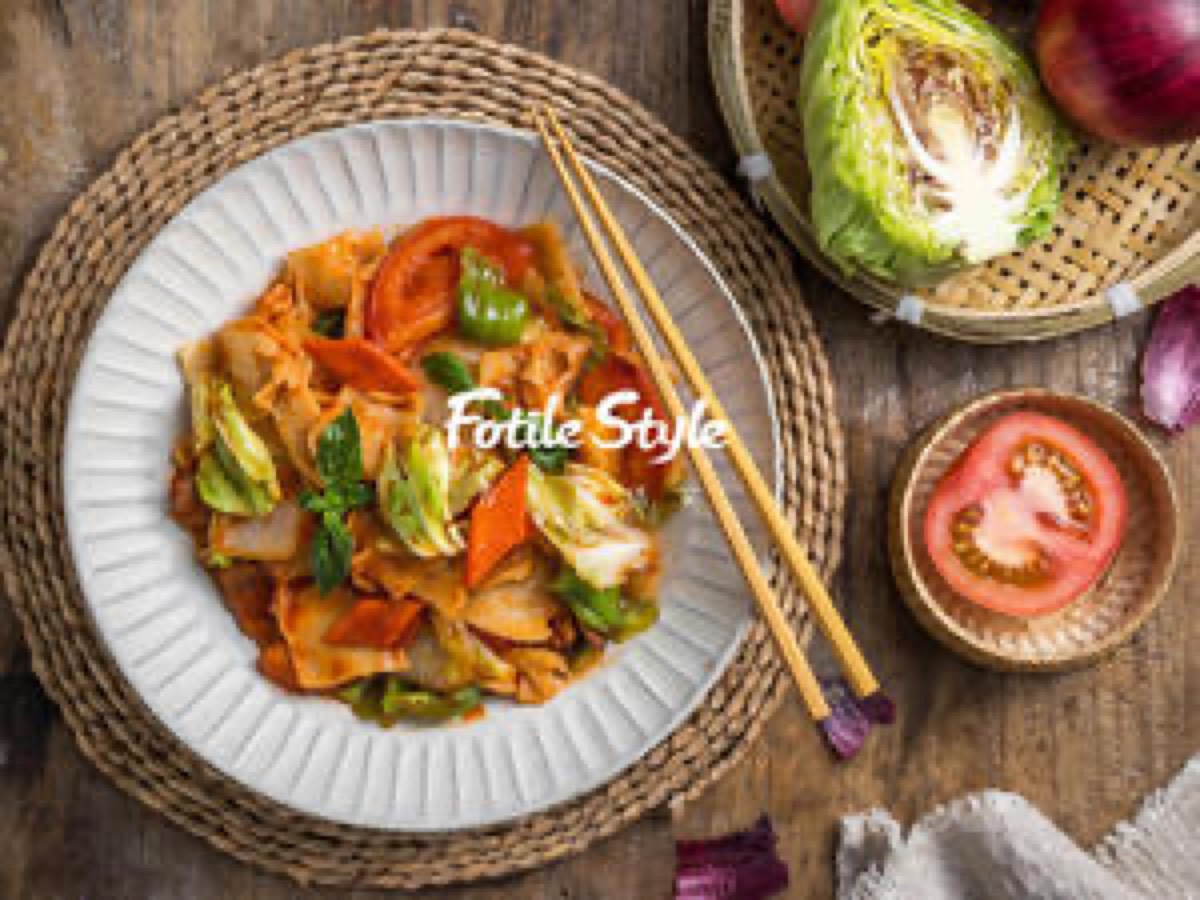
Laghman (sometimes spelled lamen or lantiao) is wheat noodles pulled by hand into flat, belt-like strands, then dressed in a savoury sauce of tomato, green and red peppers, onion, and usually beef or lamb. The word travels the Silk Road: it is cousin to the laghman of Central Asia and the lamian of elsewhere in China, but Xinjiang’s version is its own — thicker, saucier, and built for the region’s love of chili and cumin. The noodle itself is the point. Pulled by hand, it has a chew no machine extrusion matches.
How the noodles are made
The dough is a simple flour-and-water (sometimes a little oil and salt) mix, rested long enough to relax the gluten. The cook then coils it, dips it in oil, and repeatedly stretches and folds it — “pulling” — until a single strand becomes a meter-long belt. Done well it is theatrical. Done badly it is still dinner. The fresh noodle is boiled separately and either ladled with the vegetable-meat sauce (banban) or tossed at the table.
Laghman vs. Other Xinjiang Noodles
| Dish | Noodle | Sauce | Vibe |
|---|---|---|---|
| Laghman | Hand-pulled belt | Tomato-pepper-beef, wet | Hearty everyday bowl |
| Chao mian pian | Torn/shredded slices | Stir-fried, drier | Wok-charred bite |
| Ququ / suytash | Small stuffed or soup noodles | Brothy, light | Comfort soup |
| Naan | (bread, not noodle) | — | Side, not a bowl |

Where to Eat Good Laghman
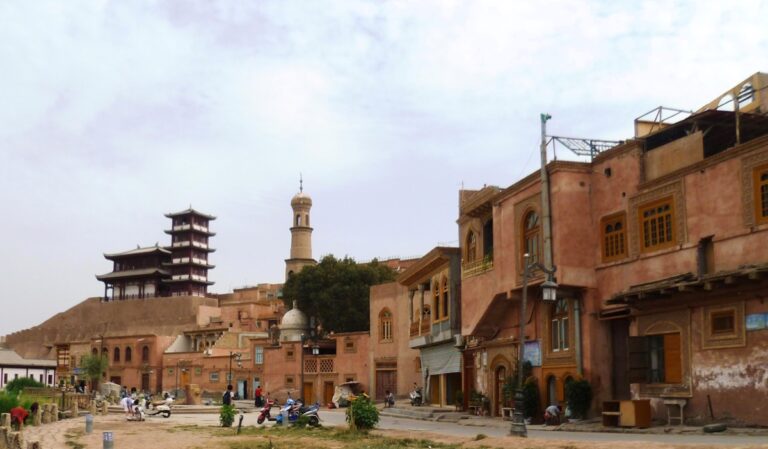
Almost every neighbourhood noodle shop (mian guan) in Xinjiang serves laghman, and the regional differences are real. In northern grass-land towns it comes heavier on the meat; in the south it is often saucier and spicier. Look for places where you can see the dough being pulled in the window — that is your quality signal. In big cities, Uyghur-run spots near the bazaar or the old town are reliably better than hotel restaurants.
Ordering like a local
- Goosh laghman — with meat (beef or lamb).
- Suylak laghman — “with sauce,” the saucy version most tourists get.
- Achchik — ask for it spicy if you want the chili turned up.
- Banban — mixed at the table; hand the bowl back and they toss it.
What to Expect on the Plate
| Part | What it is |
|---|---|
| Noodles | Fresh hand-pulled belts, ~1 cm wide |
| Sauce | Tomato, capsicum, onion, garlic, cumin |
| Protein | Beef or lamb, sometimes both |
| Greens | Cabbage, celery, or leafy tops in season |
| Finish | Vinegar splash, chili oil, sometimes a raw garlic clove |
The Silk Road Roots of Laghman
Laghman is a migrant. The technique of pulling noodles travelled east along the Silk Road from Central Asia and met Chinese wheat-and-wok cookery in the Tarim and Dzungaria basins, where the two fused into the dish Xinjiang claims today. You will find cousins of it in Kazakhstan, Kyrgyzstan, and Uzbekistan — lag’mon, lagman — but the Xinjiang plate is distinct for its cumin-and-tomato base and its willingness to load the bowl with capsicum and chili. When people call Xinjiang food a “crossroads cuisine,” laghman is exhibit A: it is the recipe that results when nomad noodle-pulling meets oasis farming.
Why Xinjiang’s version stands out
Elsewhere in China, pulled noodles lean on soy and sesame. In Xinjiang the pantry is cumin, black pepper, tomato, and the long sweet capsicums grown in the river oases. That spice profile is what makes laghman taste like the region rather than like Lanzhou or Beijing. The noodle width matters too: Xinjiang belts are broader and flatter than the round strands of lamian, so they carry more sauce per bite.
Regional Variations Across Xinjiang
| Region | Style note |
|---|---|
| Urumqi / north | Balanced, more vegetables, milder |
| Kashgar / south | Saucier, spicier, heavier on lamb |
| Ili / Yining | Fresh herbs, closer to Kazakh lag’mon |
| Turpan | Drier heat, often extra chili oil |
Common Mistakes Tourists Make
- Ordering it “to go” at peak time — the pull takes minutes; you will wait, and it is better fresh at the counter.
- Skipping the chili oil — the dish is built for it; a plain bowl is a muted version of itself.
- Pairing it with a second heavy carb — laghman plus naan plus dumplings is a rookie move that ends in a food coma.
- Assuming the meat is optional by default — say “sabzi” clearly if you want vegetable; otherwise you get beef or lamb.
- Rushing the cook — a frustrated puller makes uneven noodles; a relaxed one makes the best bowl on the street.
Can You Make Laghman at Home?
You can approximate it. The dough is forgiving: flour, water, a little salt and oil, rested an hour, then stretched. The hard part is the pull — most home cooks in Xinjiang actually buy fresh noodles from a market stall and only make the sauce themselves, which is a perfectly legitimate shortcut. The sauce is the soul anyway: bloom cumin in oil, add tomato and capsicum, simmer, then toss with boiled noodles and a splash of the noodle water. It will not match a Kashgar teahouse, but it will scratch the itch between trips.
Is It Halal, and Is It Spicy?
Laghman is halal by default — Xinjiang’s noodle shops are almost all Muslim-run, so no pork, and meat is slaughtered per custom. Spice is up to you: the base is flavourful but mild; the heat comes from the chili oil you add. Vegetarians can ask for a vegetable-only version (sabzi laghman), though confirm the broth, since some kitchens use a meat base.
Choosing your weeks
Spring and early summer
No. Lo mein is a Cantonese-style wheat noodle usually machine-made and tossed in a soy-based sauce. Laghman is Central Asian in root, hand-pulled, wider, and built on tomato and cumin rather than soy. Different noodle, different continent of flavour.
Summer
In a local shop, a filling bowl runs cheap — pocket change by Western prices, more in tourist-core restaurants. It is one of the best value meals in Xinjiang: a huge portion for little money.
Autumn
Often, yes. Many shops pull the dough in an open kitchen or window. If you want the show, go at a non-peak hour when the cook is not rushing, and stand where you can see the counter.
Winter
Very. A single belt-noodle portion is a full meal. If you are also ordering naan or starters, share, or you will tap out before the main event.
4
Locals pair it with black tea (chai) or the salty milk tea you will find across the region. A cold soft drink works too, but tea is the traditional reset between bites.
5
Yes — ask for sabzi (vegetable) laghman. Just double-check the cooking liquid, because in small shops the same wok or broth may touch meat. Communication is easier with a translation app, but “sabzi, yumay” (vegetable, no meat) usually lands.