Fruit Picking in Xinjiang: Orchard Tours, Grape Gardens, and Farm Stays
I once spent a July morning in a vine arbor outside Turpan with my hands stained purple and a Uyghur grandfather laughing at my aim with the pruning shears. Xinjiang fruit picking is not a staged photo set — it is real agriculture you are invited into. The region grows some of the sweetest fruit on Earth, and in summer and autumn the orchards and vineyards throw open their gates. Picking your own grapes, melons, or apricots, then eating them warm from the tree, is one of the most grounding things you can do here.
Why Xinjiang Fruit Tastes Different
The magic is climate. Xinjiang gets up to 16 hours of summer sun, huge day-to-night temperature swings, and clean glacier-fed water. Fruit spends long days building sugar and cool nights holding acidity and aroma. The result is grapes that taste like honey, melons you can smell across a market, and apricots with an intensity you rarely find elsewhere. Picking them yourself, at peak ripeness, is the purest way to taste that difference.
If you want the background on what grows where, start with our Xinjiang fruits overview before you go — it maps theregions to their signature crops.
Where to Pick
The big three fruit zones each offer a different picking experience. Timing is everything, so plan around the crop, not the other way around.
| Fruit | Region | Best month | Where to pick |
|---|---|---|---|
| Grapes (seedless, red, green) | Turpan | Aug–Sep | Vine arbors, family vineyards, Grape Valley |
| Hami melon | Hami / Shanshan | Jul–Sep | Field stands, melon farms |
| Apricots (xing) | Korla / Ili | Jun–Jul | Orchard terraces, farm stays |
| Pears (Korla pear) | Korla | Sep–Oct | Pear orchards, cooperative tours |
| Cherries & peaches | Ili valley | Jun–Aug | Hillside orchards near Yining |
Turpan Grape Gardens
Turpan is the headline. The Grape Valley and countless family vineyards let you walk the arbors, snip your own bunches, and eat as you go. The sultana-style seedless grapes are the star, but you will also find ruby and green table grapes. Go early in the day before the heat.
Hami Melon Fields
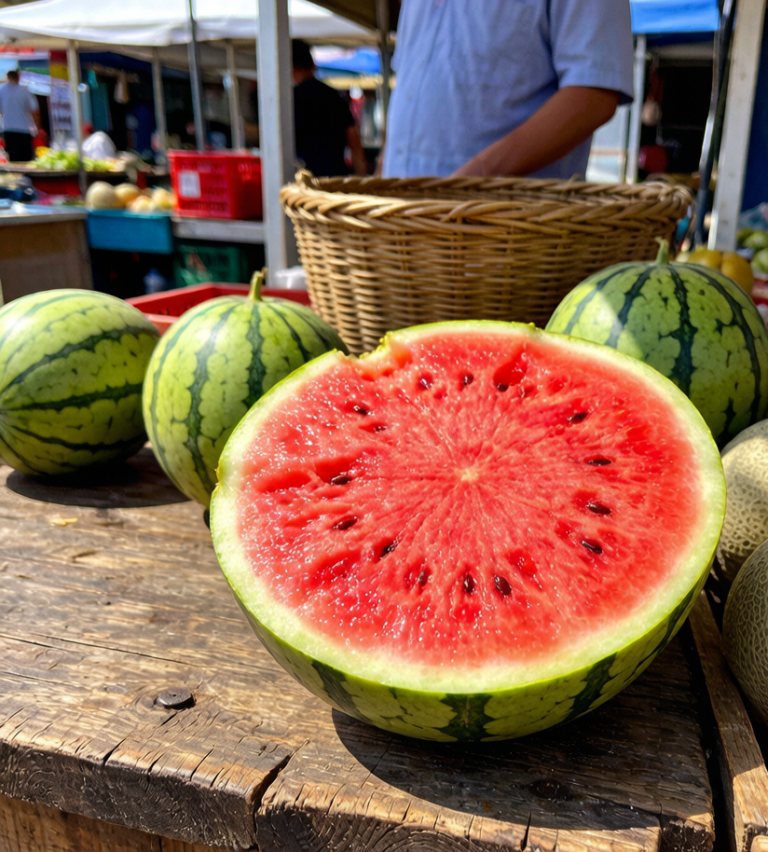
East of Turpan, Hami and Shanshan grow the melons the region is named for. You will not “pick” a melon off a vine the way you do a grape, but farm stands and cooperative tours let you select from the field, and the difference between a sun-ripened Hami melon and a supermarket one is startling.
Ili and Korla Orchards
Around Yining and Korla, apricot and pear orchards open for picking in early summer and autumn. These are quieter than Turpan and easier to combine with a well-timed seasonal trip through the Ili valley.

What a Picking Day Looks Like
Most orchard tours run half a day. You arrive, get a basket and (usually) a pair of snips, and wander the rows with the owner or a guide who tells you which fruits are ripe and how to tell. You pay by weight for what you take, taste freely while picking, and often sit down afterward for tea and fresh bread. It is low-key, friendly, and a world away from a bus-tour schedule.
Combining With a Farm Stay
The deeper version is to sleep on the farm. Several orchard and vineyard homestays — especially around Turpan and Ili — let you pick by day and stay in a courtyard room or yurt by night. You eat the produce at dinner, learn to dry grapes into raisins on the flat rooftops, and wake to birds instead of traffic. For food lovers this is the single best way to understand Xinjiang cuisine: you meet the ingredients first.
Costs, Etiquette, and What to Do With Your Haul
| Item | Typical cost | Notes |
|---|---|---|
| Entry / picking fee | 20–60 RMB | Often waived if you buy a minimum weight |
| Fruit by weight | 6–20 RMB/kg | Cheaper than cities; premium for rare varietals |
| Farm-stay + meals | 200–500 RMB/night | Includes picking in some packages |
Shipping Fruit Home
Fresh Xinjiang fruit travels surprisingly well by domestic courier (24–48 hours to most Chinese cities) but is tricky internationally. Dried grapes (raisins), apricot leather, and vacuum-packed melon slices are the export-friendly souvenirs. Ask the farm about their shipping service before you overfill your suitcase.
Etiquette is simple: ask before entering a row, don’t waste fruit you’ve cut, and tip or buy extra if a family has hosted you generously. A bag of their dried fruit at departure is a small thanks that goes a long way.

Drying and Preserving What You Pick
The single most Xinjiang thing you can do with a bucket of grapes is dry them into raisins the traditional way. Family vineyards string the bunches on trellises or lay them on flat rooftops under the fierce Turpan sun; within weeks they shrivel into the green and golden raisins the region is famous for. Many farm stays let you take part in this, tying the clusters yourself. Apricots, too, are halved and sun-dried into the intense orange governeb (governor’s apricots) sold across China. You leave with a skill and a snack.
Best Fruit for First-Time Pickers
If you only have one morning, choose grapes in Turpan — they are forgiving, abundant, and the arbors are shaded and walkable. Melons are better bought than picked. Apricots and peaches reward the early-summer visitor but bruise easily, so handle them with care and eat the soft ones on the spot rather than packing them.
A Sample Half-Day Picking Itinerary
To make the most of it, arrive at the orchard by 8:30 a.m. in summer to beat the heat. Spend the first hour walking rows and tasting, the second actually filling your basket, then sit for tea and fresh bread with the family. By late morning you are back in the shade with a full basket and a full stomach. Add a farm-stay night and the same rhythm repeats at dawn, when the fruit is cool and the light is soft for photos.
Fruit Picking Around the Region
Each valley has its own character. Turpan is intense, historic, and tourist-ready, with the Grape Valley as the headline. Ili is greener and calmer, better for apricots, cherries, and a slow orchard stay. Korla pairs its famous pears with the desert edge and the Iron Gate Pass. Hami is single-minded about melons. Pick your region by the fruit you crave and the pace you want; all of them deliver the same simple pleasure of eating something you just pulled from the tree.
Timing it right
Spring and early summer
June for apricots and early stone fruit, August to September for grapes and melons, September to October for pears. Each crop has a narrow peak, so match your visit to the fruit you most want.
Summer
Sometimes, but it is hit-or-miss. Family vineyards in Turpan are used to walk-ins in season; cooperative farms and farm stays are best booked a day ahead through your hotel or a local agency.
Autumn
Very. Kids love snipping grapes and eating warm fruit. Keep them clear of tools, watch the heat, and bring hats and water — orchards offer little shade.
Winter
Domestically, as much as you can ship or carry. Internationally, fresh fruit is usually restricted; dried products are safe. Check your country’s rules before promising Grandma a melon.
4
Not really. A smile, a basket, and a few gestures cover most picking. Farm-stay hosts near tourist routes often have some English, and translation apps work fine for the rest.
5
Yes — picked at peak ripeness and eaten within hours, it is sweeter and more aromatic than anything shipped to a city. That freshness is the entire point of going.