Xinjiang Border Permit (边防证): How to Visit Tashkurgan, Karakul Lake & the Khunjerab Pass
The first time I drove south out of Kashgar toward the Pamir Plateau, I only made it about 180 kilometers before a soldier at a checkpoint waved me to the side of the road. My driver’s license was fine. My passport was fine. What I was missing was a small blue folded card that I had never heard of until that morning: the border area permit (边境管理区通行证, bianjing guanliqu tongxingzheng). If you are heading to Tashkurgan, Karakul Lake, or all the way to the Khunjerab Pass, this little card is the difference between continuing your trip and turning around. Here is everything I wish someone had handed me before that drive.
Do You Actually Need a Border Permit in Xinjiang?
For the vast majority of Xinjiang, the answer is no. Urumqi, Turpan, the Ili valleys, the northern lake country around Kanas, and Kashgar city itself are all open to foreign visitors with a standard Chinese visa — no extra paperwork required. The permit exists only because a strip of far southern Xinjiang sits inside a regulated border zone, and the Pamir Plateau forms the frontier with Tajikistan, Afghanistan, and Pakistan.
In practice the permit matters to a very specific and very rewarding set of places. If your itinerary stays north of the Tian Shan or keeps to the major oasis cities, you can stop reading now. If the Pamir is calling, keep going.
Where the Permit Is Required
The regulated area is Tashkurgan Tajik Autonomous County (Taxkorgan), the southernmost county of Xinjiang. It covers everything along the Karakoram Highway south of Kashgar:
- Karakul Lake (卡拉库里湖) and the Muztagh Ata viewpoint at its shore
- Tashkurgan town itself, with its Stone City ruins and Tajik communities
- The Khunjerab Pass crossing into Pakistan (only reachable with the permit, and only on an organized crossing)
- Scattered Pamir settlements such as Dabdal and the Subash_rest area along the highway
The Corridor That Triggers the Checkpoint
Checkpoints begin roughly at the Bulunkou (布伦口) area, about two hours south of Kashgar, and continue at intervals all the way to the border. There is no way to “accidentally” reach Karakul Lake or Tashkurgan without passing one. Plan for it.
How to Get the Xinjiang Border Permit
You have three places to apply, and the best one depends on your route:
Option 1 — Before You Leave Home (Most Reliable)
Many travelers obtain the permit at the Entry-Exit Administration office of their home city’s Public Security Bureau when they apply for the Chinese visa, or as a standalone application. This costs nothing and means one less errand on arrival. The catch: not every city issues Xinjiang border permits, and processing can take a week. Call ahead.
Option 2 — Urumqi
The Urumqi Border Defense detachment issues permits to visitors already in the region. Useful if your trip begins in the north and you only later decide on the Pamir.
Option 3 — Kashgar (The Tourist Standard)
Most foreigners pick this up in Kashgar, either at the public security bureau’s border management office or, more conveniently, at the city administrative service center (行政服务中心) that handles tourist permits. Bring your passport and one passport photo; the card is usually printed the same day. This is what I did, and from queuing to walking out with the folded blue card took just under an hour.
Documents You Need: The Checklist
Get any of these wrong and you will be sent home to collect it. Here is the exact list I used:
| Item | Required? | Notes |
|---|---|---|
| Valid passport | Yes | Must be the same one you entered China with |
| Valid Chinese visa / residence permit | Yes | Check it covers your travel dates |
| Passport photo (1 inch) | Yes | Recent, plain background; some offices have a booth |
| Accommodation registration (临时住宿登记) | Sometimes | From your hotel in Kashgar; bring it if you have it |
| Copy of your itinerary | Sometimes | Helpful if heading all the way to Khunjerab |
| Application form | Yes | Filled on site; name must match passport exactly |
Cost, Processing Time, and Validity
The permit is free. In Kashgar it is typically issued the same day, often within 30–120 minutes. The card is valid for a limited window — usually aligned to your stated trip dates or your overall visa validity — and it names the areas you may enter. Treat it like a boarding pass: carry it every day you are south of the checkpoint, because you will be asked for it multiple times.
Common Mistakes That Get People Turned Back
I have seen all of these happen to other travelers at the Bulunkou checkpoint:
- Applying the same morning you want to leave — offices close for lunch and on weekends; build in a buffer day in Kashgar.
- Name mismatch — a typo between your passport and the form (middle names matter) is an automatic rejection.
- Wrong or missing photo — a phone selfie will not do; bring a proper print.
- Assuming Kashgar city needs it — it does not, so do not waste a day; only the Pamir corridor does.
- Heading to Khunjerab without confirming the crossing is open — the pass closes seasonally and for weather; the permit alone is not a guarantee.
On the Road: What the Checkpoints Are Like
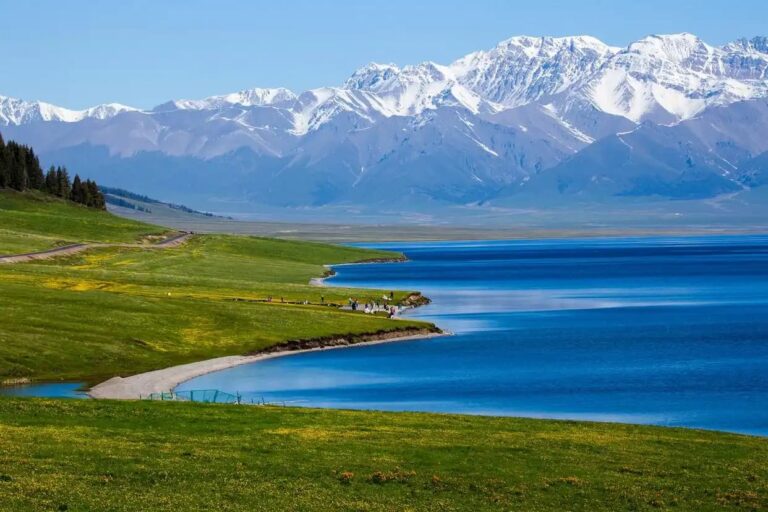
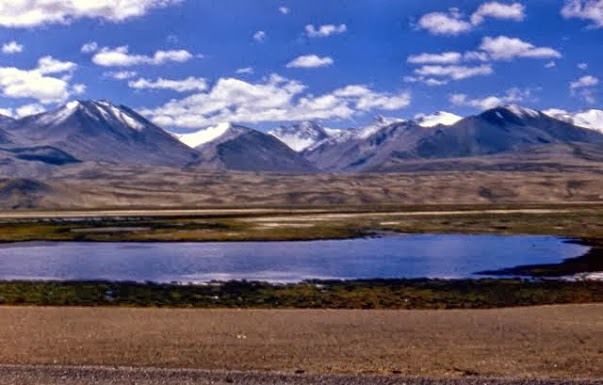
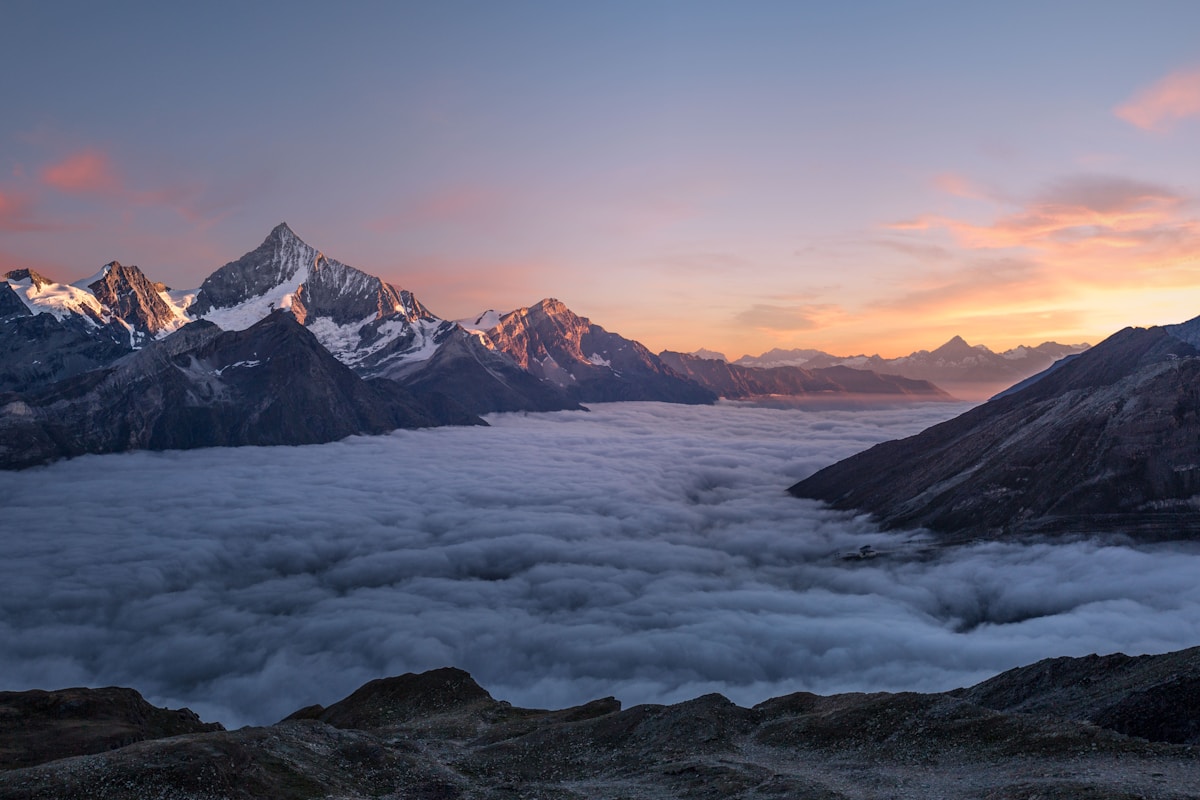
Once you hold the permit, the drive itself is straightforward but heavily monitored. Expect two or three ID-and-permit checks between Kashgar and Tashkurgan. Officers are professional and the process is quick if your documents are in order. Keep the blue card and your passport in an easy-access pocket, not buried in a backpack. The landscape more than rewards the paperwork: the road climbs past Karakul Lake, where Muztagh Ata’s snow cone rises straight from the shoreline, and onward to Tashkurgan, the highest town on the Silk Road and a base for Tajik culture most visitors never reach.
The questions that come up
Can I get the border permit at the checkpoint itself?
No. There is no issuance point at the roadside checkpoints. You must obtain the card in a city office (home, Urumqi, or Kashgar) before you reach the first control point south of Kashgar.
Does the permit let me cross into Pakistan at Khunjerab?
The Xinjiang border permit is required to travel the Karakoram Highway to the pass, but actually crossing into Pakistan also needs a Pakistani visa and, for most travelers, a seat on the scheduled cross-border bus. Confirm both countries’ current requirements before committing.
Is the permit needed for Chinese citizens too?
Yes. The border zone regulation applies to everyone, including domestic tourists. The application process differs slightly for citizens versus foreign visitors, but nobody drives into Tashkurgan without some form of authorization.
How long is the permit valid?
Typically it covers the span of your visit or your visa window, whichever is shorter, and it lists the specific areas you may enter. If your plans change to include Khunjerab after the fact, you may need to return to the issuing office to extend or amend it.
What if I only visit Kashgar city and the old town?
You need nothing beyond your standard visa. The Kashgar Old City and the city’s famous Sunday bazaar are entirely outside the regulated zone.
Can a tour agency handle this for me?
Often, yes. Many Kashgar-based agencies include the permit in their Pamir packages and will collect your documents in advance. If you are on an organized trip, confirm in writing that the permit is included so there are no surprises at Bulunkou.