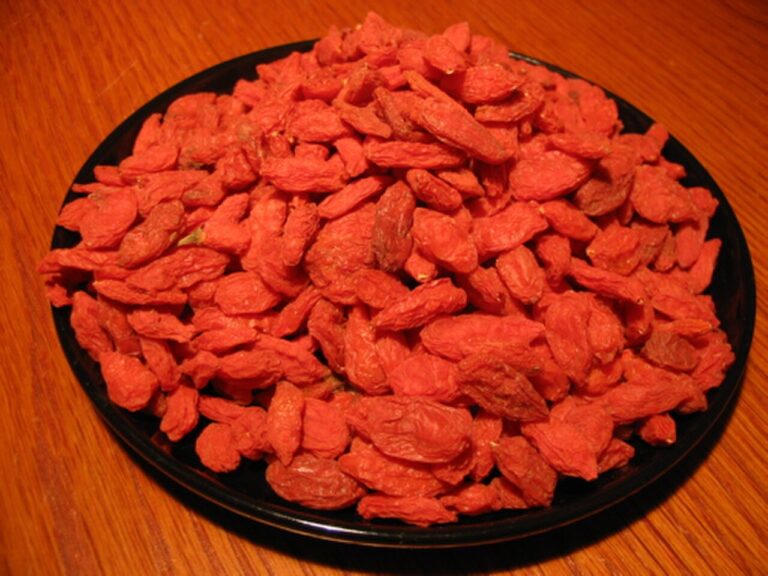

Xinjiang Dried Fruits and Nuts: The Snack Aisle of the Silk Road
Before there were convenience stores, there were
The health angle is real, not just nostalgic. Xinjiang‘s apricots and raisins are dense in iron and fiber, the walnuts carry the region’s best plant protein, and the almonds are a genuine trail food that sustained travellers long before energy bars existed. I started carrying a zip-lock of mixed nuts as my default hiking snack and stopped bonking on long grassland walks. One caveat: the dried fruit is calorie-dense, so a small handful goes a long way — a 200-gram bag is a full day of nibbling, not a single sitting. Bought loose and unsweetened, it is about as clean a snack as the Silk Road ever produced.
dried fruits and nuts, and in Xinjiang that ancient pantry is still the region’s favorite snack. Walk any market from Urumqi to Hotan and the air smells of sugar and sun — piles of amber apricots, black and golden raisins, walnuts still in their shells, and the pale, slightly bitter apricot kernels that locals chew by the handful. As a traveller I came to rely on them: they are cheap, calorie-dense, and the only reliable snack on a 10-hour desert drive where the next town might not have a shop. They are also the most honest souvenir you can carry — the fruit is literally the land, dried and bagged.
What Grows Here and Why
Xinjiang’s extreme continental climate — blazing days, cold nights, almost no rain — is brutally good for fruit. The same stress that makes the land arid concentrates sugar in the flesh. Table grapes become raisins in a matter of days on the vine-drying racks of Turpan; apricots from Kuqa and Aksu dry to a chewy sweetness; walnuts and almonds come down from the Ili and Kashgar valleys. This is the original Silk Road cargo, and it is still the best thing to carry out of the region. The dryness that punishes travellers is exactly what preserves the harvest without a single preservative — a 2,000-year-old food-security system.

The Core Cast
| Item | Local name | Best region | Rough price (per jin) |
|---|---|---|---|
| Seedless raisins | putu | Turpan | 15–30 RMB |
| Dried apricots | orek | Aksu, Kuqa | 20–40 RMB |
| Walnuts | qaoq | Hotan, Ili | 25–45 RMB |
| Almonds | badam | Kashgar | 40–70 RMB |
| Apricot kernels | orek yangaq | general | 30–50 RMB |
| Red dates | chilone | Hami | 15–30 RMB |
| Figs (dry) | anjeer | Kashgar | 35–60 RMB |
A jin is 500 grams. Market vendors will happily let you taste before you buy, and you should — quality varies wildly between stalls even inside one bazaar. Color is a clue: raisins range from pale golden to near-black, each a different grape; the dark ones are usually sweeter and denser.
How Locals Actually Eat Them
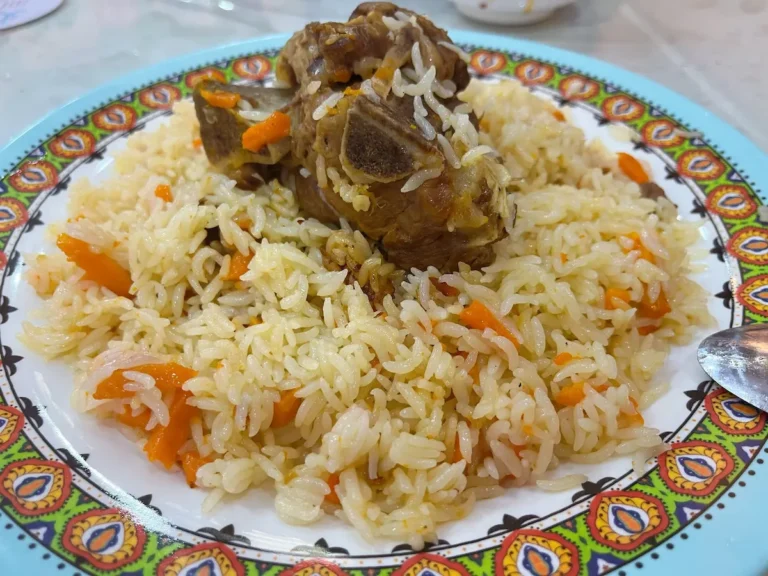
Dried fruit is not just a snack; it is a meal component. Walnuts and apricot kernels get stirred into pilaf, raisins go into samsa (baked buns), and a bowl of mixed nuts sits on every festival table. On the road, the move is to buy a paper cone of mixed nuts from a bus-station vendor and graze through the afternoon. I kept a stash in my daypack for the Duku Highway, where a handful of almonds at a 3,400 m pass was worth more than any roadside café. Locals mix nuts with dried fruit for a trail mix that predates the concept by centuries.
A Note on Apricot Kernels
The pale, almond-shaped apricot kernel has a lovely bitter edge and is sold roasted and salted. Eat them in normal snack quantities. They contain amygdalin, so they are a treat, not a meal — a handful a day is the local habit, not a bag. If the bitterness is too strong for you, the sweetened versions are milder but lose the character that makes them distinct from ordinary almonds.
Buying Without Getting Ripped Off
In tourist bazaars the “gift box” packs are marked up three to five times over loose market prices. For the real deal, go to a wet market or the dried-goods section behind the souvenir stalls. Weigh on the vendor’s scale, then ask for a vacuum seal if you are flying home — most big markets have a sealing machine for 2–5 RMB. Buy loose, bag it yourself, and you control both quality and price. The sealed bricks of compressed raisins make excellent, durable gifts that survive being stuffed in a suitcase.

Straight answers to what visitors ask
Can I bring Xinjiang dried fruit home internationally?
Usually yes for commercially sealed packs, but rules vary. Dried fruit and nuts are often restricted or banned fresh, so buy dried (not fresh) and keep them sealed. Check your home country’s biosecurity list before you fly.
Which is the best souvenir fruit to carry?
Raisins and dried apricots travel best — light, durable, and unmistakably Xinjiang. Walnuts are heavier and can go rancid in heat; figs are fragile and best eaten on the trip.
Are the “sweet” dried apricots sulfured?
Bright orange apricots are often sulfur-treated to hold color; the darker, brownish ones are sun-dried and more traditional. Both are safe; the darker ones taste more intense and are preferred locally.
Is it okay to haggle?
At loose markets, gently — a 10–20% discount is normal if you buy a kilo or more. In fixed-price grocery stores, no. Build rapport first; a joke about the price goes further than a hard bargain.
Do they use added sugar?
Proper Xinjiang dried fruit needs none; the climate does the sweetening. Avoid packs with a sticky glaze unless you want candied fruit specifically. Read the ingredient line if you are sugar-conscious.
How long do they keep?
Sealed and dry, raisins and apricots last many months; nuts a few months before going stale. Keep them out of heat and they will outlast your trip comfortably.
Regional Specialties Worth Seeking
Beyond the core list, a few region-specific finds reward the curious. Hami melon, dried into leathery strips, is a southern Xinjiang treat with a honeyed intensity you won’t find fresh off-season. Kuqa is famous for a particular almond-like apricot kernel and for white raisins (the kurut of the north). In Artux, near Kashgar, the mulberry raisins — black, sweet, almost fig-like — are a short-season delicacy worth timing a trip around in early summer. Each oasis claims a signature dried good, and the fun is in collecting them market by market rather than buying one mixed bag. Ask vendors what is yerlik (local) versus traded in from elsewhere; the local stuff is almost always better and cheaper.
Cooking With Them at Home
These ingredients are not just snacks. Soak raisins briefly to plump them, then fold into rice or a simple butter cake; toast walnuts and apricot kernels in a dry pan to deepen their flavor before crushing them over noodles. The Uyghur halwa (a dense nut-and-honey confection) is built almost entirely from this pantry. Even a handful stirred into plain yogurt transforms a breakfast. The point is that Xinjiang’s dried goods are a cuisine in suspension — rehydrate, toast, or eat raw, and you’re cooking in the regional idiom without a recipe.
Storage and Shelf Life
Keep everything bone-dry. Raisins and apricots absorb humidity and cake into a clump within days in a damp climate; a sealed jar with a spoonful of rice as a desiccant extends their life for months. Nuts go rancid faster — especially walnuts — so buy them in smaller amounts if you won’t eat them within weeks, and store in the fridge if your climate is warm. Bricks of compressed raisins are the most durable of all and the safest to mail or fly home. I’ve shipped a kilo of Turpan raisins to friends abroad with no spoilage, whereas a bag of Hotan walnuts arrived stale — the lesson being, match the form to the journey.