Yining City Guide: Base Camp for the Ili Valley (What to Do, Eat, and Use as a Hub)
Most travellers blow through Yining on the way to the grasslands, which is a shame because the city itself is the most pleasant urban stop in Xinjiang: wide tree-lined streets, a real bazaar, and a laid-back border-town feel. I use it as my Ili hub and always add a day, because the city is the calm before and after the meadow crowds.
Why Yining Is the Right Base
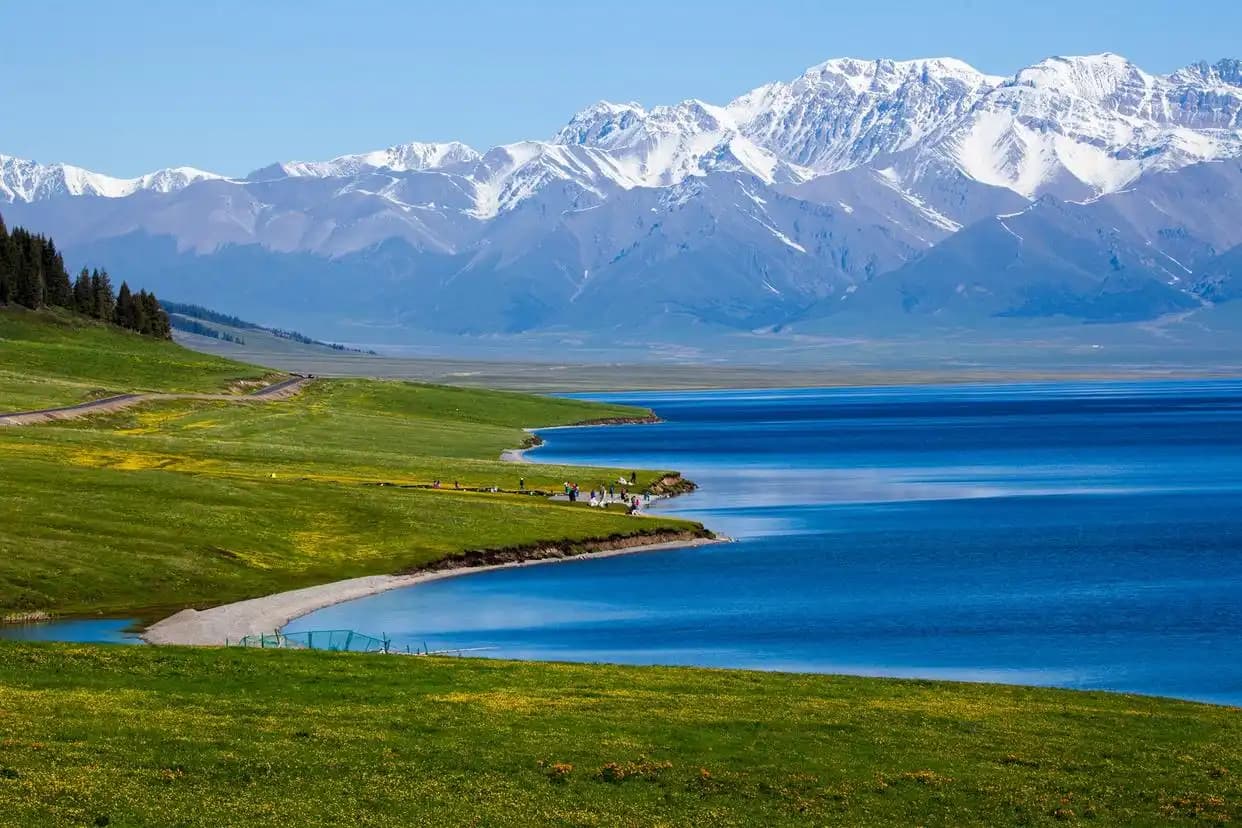
It has the best hotels, the airport, and car rental in the valley. From here, Nalati is 3 hours east, Sayram Lake 2 hours west, and the border town of Khorgas an easy run. The Ili scenic drive starts here, and most grassland loops are designed around a Yining bookend.
What to Do in the City
| Stop | Time | Why |
|---|---|---|
| People’s Park & lavender boulevard | 40 min | Local life, summer blooms |
| Yining bazaar | 60 min | Spices, dried fruit, nuts |
| Russian-style street (Six Star Street) | 45 min | Wooden cottages, cafes |
| Canal-side evening walk | 30 min | Cool, social |
Eating in Yining
The bazaar surrounds are the spot for hand-pulled noodles, laghman, and the valley’s famous nang with cream. Yining also does a good Russian-influenced dairy and, in summer, the region’s best melon. Eat light at lunch so you can graze the night stalls, which come alive after the heat drops and the families come out.
What goes in the day pack
The temperature drops fast once you stop moving and the drop is not hypothetical on an exposed pass. A fleece covers most of the year, a real jacket covers shoulder season. Cards work at the gate and in the shops, but the stalls on the approach road and the drivers waiting at the turnoff want cash, and coming up short at the moment you want a lift is the classic way to lose an hour. Water, more than you think, a power bank and some cash.
Sunscreen and a brim. The light here is serious and the shade is intermittent, so the sunscreen goes on before you leave the hotel, not at the gate. A wind shell. Where most people get the logistics wrong is covered in our [[yining-ili-valley-xinjiang-travel-guide|Yining and the Ili Valley in Spring: The…]].
The mistake I made the first time
The gate is not the site. There is a shuttle, a walk, sometimes another shuttle, and the stretch everybody underestimates is between the second gate and the thing you crossed the country to see. So: work out how far it is from where the vehicle drops you to the feature, then double it. I assumed two hours would be plenty. That is the number of hours the visit needs.
It was, in the sense that I saw everything, and it was ruined in the sense that I saw everything at the same hour with the same crowd, and I spent the drive home meaning to come back and never did. What I would tell the version of me who planned it: put the slow hours in, not the fast ones. The whole point of coming this far is to have the place to yourself for a while, and that only happens if you are willing to be there when it opens or when it is nearly shut. I did come back the following trip, at seven in the morning, and it was a different site. The other mistake is about distance on the map.
The short version, with the numbers, is in our [[ili-valley-3-day-itinerary-yining-nalati-kuerdening|Ili Valley 3-Day Itinerary: Yining, Nalati,…]].
A few minutes of background change the visit
The history here is layered in a way the official signage compresses into names and dates. Locals in Ili will give you the short version in about a minute if you ask, and it is usually better than the panel at the gate. Read that the morning before rather than at the entrance, where the boards stand too far from the object to help. The place only makes sense once you know its shape. Yining City Things To was cut rather than built, which is why the walls are solid and the streets are the empty space between them, and why centuries of dust ended up acting as a roof. Knowing what you are standing on turns a pleasant walk into something you actually remember.
Using Yining as a Hub
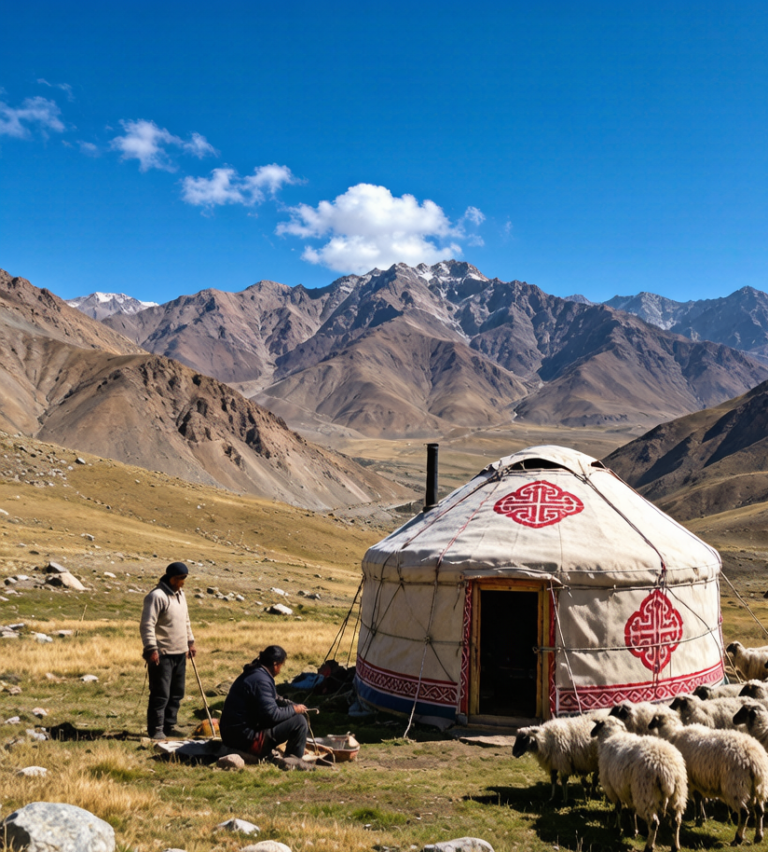
Two nights in Yining lets you day-trip east to Nalati/Kuerdening one day and west to Sayram the next, returning to a real bed each night. That is more comfortable than chasing yurts every night, though I do recommend at least one grassland overnight for sunrise, because the meadows are at their best before the day-trippers arrive.
Practical notes
Book cars and hotels ahead in July–August. The city is walkable but spread; use ride apps for the outskirts. Carry ID; occasional checks happen near the border region, and having it ready saves time at the rental desk and hotels.

Timing it right
Spring and early summer
Yes, for most travellers a relaxed half-day plus a good dinner rewards you, and it is the smart hub for the whole valley. Skipping it means you miss the best food and the easiest launch point.
Summer
Two: one to arrive and explore, one as a launch pad for a grassland day trip. Add nights if you want both Nalati and Sayram as day trips, which is a great way to see the valley without changing beds.
Summer for the tree canopy and blooms; April for nearby apricot blossom; September for cool, golden day trips. Winter is quiet but very cold, and some grassland roads close.
Autumn
A preserved Russian-influenced neighbourhood with wooden cottages, small museums, and cafes; pleasant for a slow afternoon and some of the best coffee in the valley.
Winter
Yes, it has a regional airport with flights from Urumqi and other hubs; useful for shortening the Xinjiang internal transit and avoiding a long drive back east.