Kanas Lake Photography Guide: Best Viewpoints, Light, and Seasons
I have stood on the wooden boardwalk at Kanas Lake at 6:40 in the morning, camera fogged from the cold, watching the surface flip from gunmetal grey to a milky turquoise as the sun cleared the ridge. Kanas is one of the few places in China where the landscape does most of the work for you, but the difference between a postcard and a photograph that stops people scrolling is knowing exactly where to stand and when. This is the guide I wish I had before my first trip, written after four visits in three different seasons.
Why Kanas Is a Photographer’s Lake
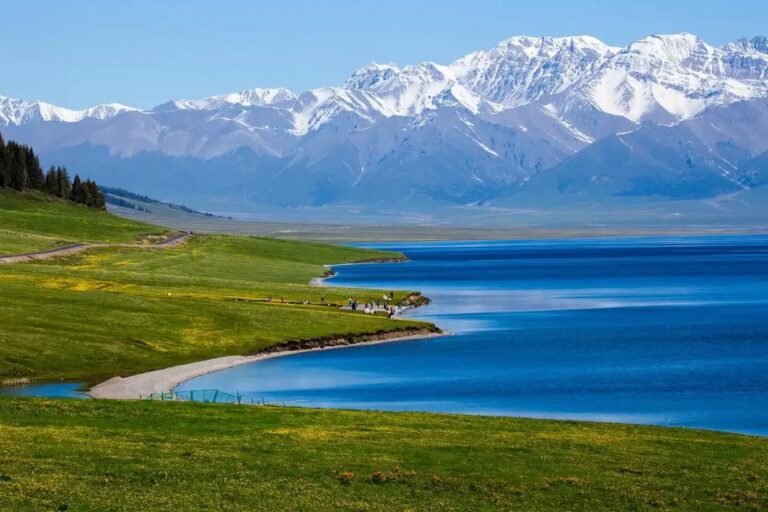
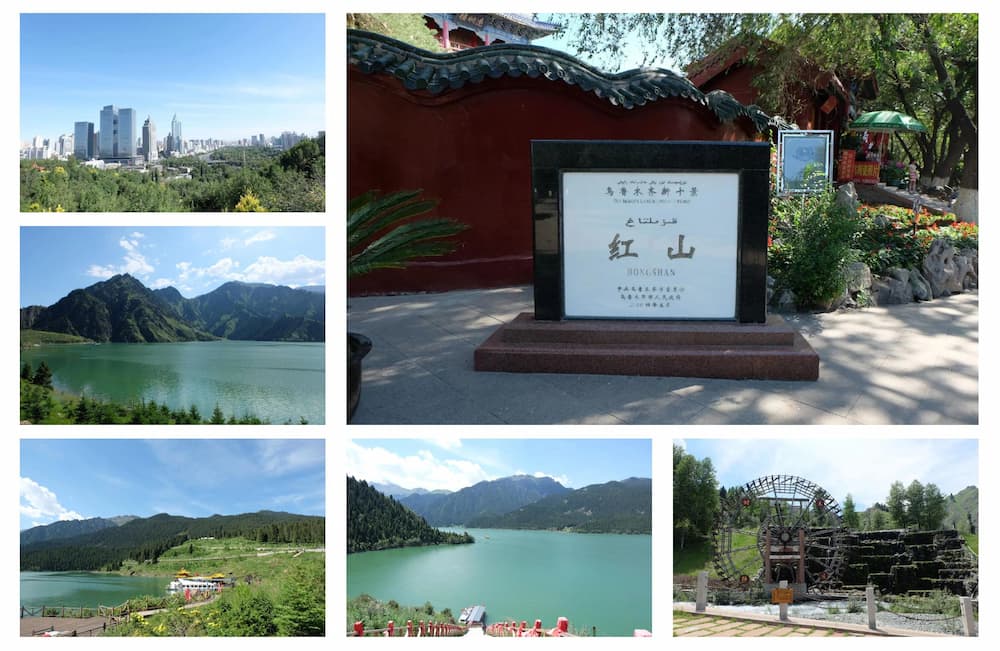
Kanas sits in a glacial valley in the Altai Mountains, fed by snowmelt that carries fine rock flour giving the water its surreal colour. Because the basin traps cold air, you get temperature inversions and morning mist that the big tour buses (arriving around 10:00) usually miss. The single best investment you can make is simply being inside the scenic area before the first shuttle rolls. On my second visit I paid for a lakeside lodge precisely so I could walk to the water in my socks at first light; it was the right call.
The lake is long and curved, so light behaves differently on each shore. The north end, where the river enters, glows first. The wider south basin holds the colour longest into the blue hour. Knowing which end to be on at which hour is the difference between lucky snapshots and a coherent set.
The Viewpoints That Actually Deliver
There are three tiers of vantage points, and most visitors only see the first. I have shot all three and rank them by reliability, not fame.
1. The Lakeside Boardwalk (Guanyu Tai area)
A flat 1.5 km loop from the main jetty. Best for reflections at calm sunrise. Arrive before 07:30 in summer. Tripod permitted; drones are not (the park bans them and rangers check). The wooden rails make a nice foreground frame if you crouch low.
2. Fish Viewing Pavilion (Guan Yu Tai hike)
A 1,066-step climb above the lake’s north end. The payoff is the classic bird’s-eye shot of the S-shaped river mouth. Allow 40 minutes up, shoot toward the southern shore in the warm late-afternoon light. Bring water; the steps are steeper than they look at altitude.
3. The Three Bays Overlooks
Moon Bay, Immortal Bay and Wolong Bay each have a dedicated platform a short walk from the road. These are covered in detail in our Kanas Three Bays guide. For photography, Moon Bay at first light and Wolong Bay in the blue hour are the winners; Immortal Bay is prettiest when the morning mist still clings to the water.
Best Time of Day and Year
| Season | Light quality | Key subject | Practical note |
|---|---|---|---|
| May–Jun | Soft, frequent mist | Green valley, snow patches | Shoulder season, fewer crowds, cold nights (0–8°C) |
| Jul–Aug | Harsh midday, good mornings | Turquoise water, wildflowers | Peak domestic crowds; book shuttle seats early |
| Sep (mid–late) | Golden, crisp air | Birch + larch autumn colour | Best overall month; accommodation books out |
| Oct–Apr | Low, long shadows (if open) | Snow scenes | Park partially closed; check access from Burqin |
Gear and Practical Tips
Bring a polariser to cut glare on the water, a sturdy tripod for the low-light boardwalk, and a spare battery in an inside pocket: cold drains cells fast at 1,300 m altitude. A 24–70 mm covers 90% of shots; a 70–200 mm helps compress the bays from the overlooks. Pack a microfibre cloth because the mist condenses on front elements constantly, and a rain sleeve is worth it when the afternoon clouds break into drizzle.
Getting the Mist Shot
The inversion forms on still, clear nights after rain. Check the forecast for “clear and calm” and set an alarm for 30 minutes before sunrise. Walk straight to the boardwalk rather than the pavilion; the pavilion is better at 17:00, not dawn. If you see the mist burning off by 08:00, you caught the window; if not, fall back to forest detail shots in the birch groves, which are reliable all morning.
Small questions, honest answers
Can I fly a drone over Kanas Lake?
No. The Kanas Geopark bans unmanned aircraft, and rangers at the entrances check. A telescopic pole or the Fish Viewing Pavilion climb is your legal high-angle alternative, and honestly the framing is better from the pavilion anyway.
Is September really worth the higher prices?
For photographers, yes. The larch turns gold against the blue water for roughly two weeks in late September, and the light is stable. Book lodging in Jiadengyu or Hemu at least a month ahead, because every other photographer in China has the same idea.
How do I avoid tour-bus crowds in my frame?
Be on the boardwalk before 08:00 and shoot the bays from the far (upper) overlook platforms, which fill up later than the lower ones. Late afternoon at the pavilion is also quiet, and the light there is arguably better than at dawn.
Should I stay inside the park or in Jiadengyu?
Staying inside (Hemu or the lakeside lodges) lets you shoot at first light without the 30-minute shuttle from Jiadengyu. It costs more but saves the best two hours of light, which is the whole reason you came.
What about the Three Bays versus the lake itself?
Shoot the lake at dawn, then take the shuttle to the bays mid-morning once the light flattens. They are different compositions and both are worth a full day; trying to rush both before noon means you miss the mist on the lake.