Best Sunrise and Sunset Spots in Xinjiang for Photographers
Xinjiang’s scale means its light is dramatic: 200 km of clear air gives sunrises and sunsets a saturation you rarely see elsewhere. I have chased both ends of the day across the region; these are the spots that earn the alarm clock, plus the timing that keeps you from missing the moment.
Sayram Lake at Dawn
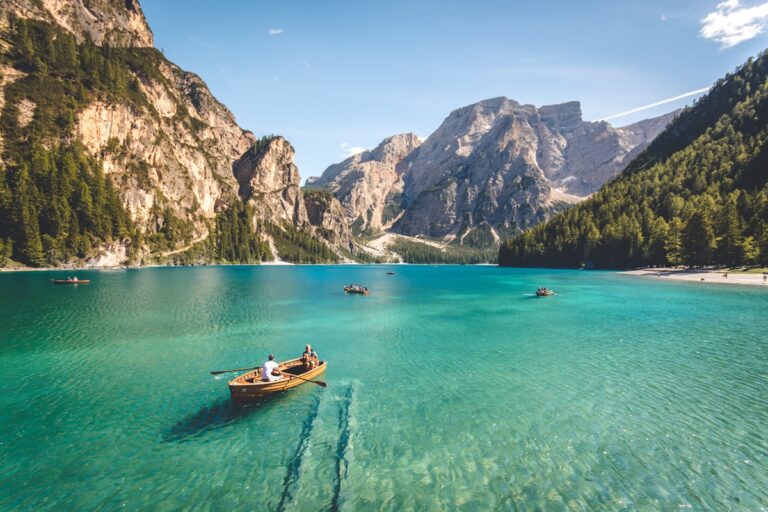
The “last tear of the Atlantic” often wears a band of mist at sunrise that burns off as the sun clears the surrounding peaks. Arrive 40 minutes before the published sunrise; the lakeshore pull-off on the east side is reliable. Pair it with the regional locations map for a multi-day plan, because Sayram rewards a second morning if the first is cloudy.
Why Sayram Beats the Crowds
Most tour buses arrive mid-morning, so the first hour belongs to you. The reflection of the peaks in the still water at dawn is the kind of frame that sells itself, and the cold air keeps the mist low and photogenic.
The Flaming Mountains at Sunset
Near Turpan, the red range glows like embers in the last hour of light. Go in late afternoon and shoot until the color peaks; the heat drops just enough to be bearable. This is pure graphic drama with a telephoto, and the ridgeline against a deepening blue sky is irresistible.
Urumqi Red Hill (Hongshan)
For a city sunrise/sunset, Hongshan park’s hill gives a skyline with the Tianshan behind it. Locals exercise here at dawn, so you get both landscape and life. The Red Hill viewpoint guide has the exact vantage, and it is the easiest golden-hour shoot in the region because you can roll out of a city hotel and be shooting in ten minutes.
Golden-Hour Spot Table
| Spot | Best | Arrive | Gear |
|---|---|---|---|
| Sayram Lake | Sunrise | -40 min | Wide + ND |
| Flaming Mountains | Sunset | -90 min | Telephoto |
| Red Hill, Urumqi | Both | -30 min | Standard zoom |
| Karakul Lake | Sunrise | -50 min | Wide |

Timing and Gear Notes
Xinjiang’s longitude means civil twilight is short; the good light window is often just 20-30 minutes. A sturdy tripod, a grad filter or bracketing, and a headlamp for the walk back are essentials. Check the seasonal guide so you catch clear skies, because a haze day flattens the drama completely.
My Light Calendar
Spring: soft, variable; summer: long days, predawn around 6 a.m.; autumn: crisp and the most reliable; winter: short days but spectacular low sun. I plan the big landscape shoots for autumn and keep summer for flexible city work.
Planning a Golden-Hour Road Trip
If you are building a photography loop, cluster your sunrise and sunset targets by region so you are never driving in the dark after a shoot. Sayram and Guozigou work as a paired morning; the Flaming Mountains deserve an afternoon-to-dusk block near Turpan. I keep a simple rule: the shoot location must be reachable in under 60 minutes from where I sleep, so I am set up calmly before the light peaks.
Shooting in the Cold
Pre-warm your camera in the jacket on the walk out, and bring a glove with a fingertip cut for settings. Batteries die fast at lakefront dawn; keep spares in an inner pocket. These small habits are the difference between “I got the shot” and “my camera died at the best moment,” which I have unfortunately experienced both ways.
Star Trails After Sunset
Once the sun is down in remote areas like the Flaming Mountains or the grassland, the dark skies reward a second session: a wide lens on a tripod, 20-second exposures, and a little patience yields the Milky Way over Xinjiang’s silhouettes. I keep a headlamp with a red mode so I do not wreck my night vision fumbling for gear.
Reading the Weather
Clear mornings after a front are the gold; hazy, still days flatten the drama. I check the next day’s forecast each evening and set my alarm only when the odds are good, rather than dragging myself out for a gray sky. A missed dawn is recoverable; a ruined sleep is not.
Building a Shoot Calendar
I keep a simple regional table: north lakes (Sayram, Kanas) favor sunrise; red deserts and mountains (Flaming, Tianshan) favor sunset; cities (Urumqi Red Hill) work both ends. Planning a loop around these truths means you are always at the right place at the right time instead of chasing light you missed. A printed one-page calendar in the camera bag has saved more than one pre-dawn wrong turn.
Dealing With Haze
Summer haze can flatten distant peaks. After rain or a front, the air clears and the same spot becomes dramatic. I track a three-day forecast and shift golden-hour targets to the clearest morning. Flexibility beats a rigid plan when the sky is the subject.
Composing the Wide Shot
For landscapes, I include a near foreground—a rock, a reed, a fence—to give the eye an entry point; without it, big scenes feel empty. A polarizer deepens skies and cuts glare on water. These two habits lifted my Xinjiang landscapes from “pretty” to “print,” and neither requires expensive gear.
Final Golden-Hour Takeaways
Xinjiang’s light is the headline act. Sayram at dawn, the Flaming Mountains at dusk, Red Hill for the city—cluster them by region and by time of day, and you will rarely chase the sun in vain. The planning is half the craft; the other half is simply showing up before anyone else and staying past when they leave.
Beyond the Visible Light
Do not pack up at sunset; the blue hour and the stars that follow are bonus frames most travelers miss. A red headlamp and a charged battery turn a single location into two sessions. Some of my favorite Xinjiang images are the quiet ones taken twenty minutes after the “good light” was supposedly gone.
Before You Shoot
Set the alarm to the local sunrise, not your phone’s default; Xinjiang’s longitude shifts the clock. I check the date-specific time each evening and place myself at the spot thirty minutes prior. The good light lasts twenty minutes, and arriving late is the only way to guarantee you miss it entirely.
The short version
Xinjiang’s light is the headline act—Sayram at dawn, Flaming Mountains at dusk, Red Hill for the city. Cluster targets by region and time of day, and stay past sunset for the blue hour and stars. A little planning turns the region’s vast scale into a series of perfectly lit, unforgettable frames, and the early alarm is always worth the reward.
A season by season read
Summer
In summer, Xinjiang sunrise can be before 7 a.m. local; check the date-specific time.
Sayram and Flaming Mountains need a car or tour; Red Hill is in-city.
Lakeshores and mountains are chilly even in summer; bring a layer.
Autumn for crisp air; winter for snow contrast; summer for long days.