
Best Photography Viewpoints in Kashgar Old Town
Kashgar’s Old Town is a photographer’s labyrinth: every corner frames differently, and the light at dawn turns mud-brick lanes gold. I have walked it with a camera on three trips, and these are the viewpoints that consistently deliver, plus the timing that separates a snapshot from a frame you will print.
The Rooftop Terraces
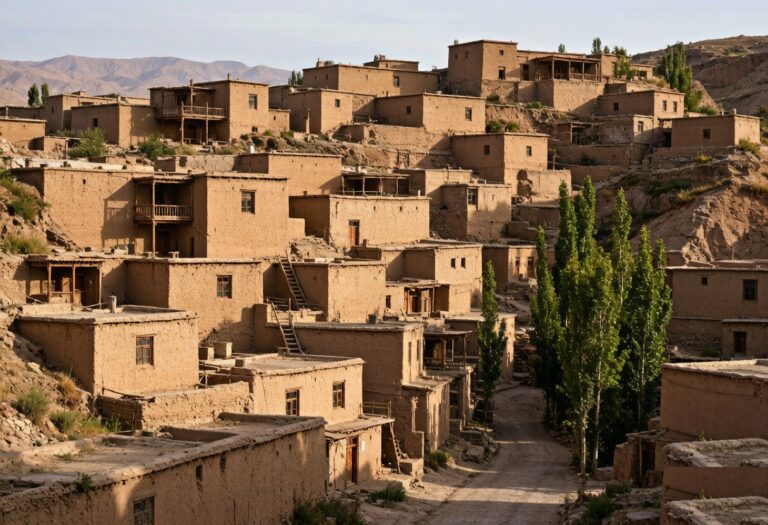
Several guesthouses and cafes (notably near the eastern lanes) have rooftop terraces that look out over the sea of timber houses toward the Tianshan. Go 30 minutes before sunset for warm side-light on the adobe. This is the signature Kashgar shot and the reason to stay inside the Old Town itself. The wooden skyline layered against distant snow is the image everyone remembers.
Getting Rooftop Access
You do not need to be a guest everywhere—many cafes sell a tea for the terrace view. I have spent whole golden hours on a ¥20 pot of tea shooting frames as the light moved. Ask politely; owners are proud of their roofs.
The Id Kah Mosque Approach
From the square’s edge at dawn, the white mosque and the trickle of worshippers make a calm, graphic frame. Avoid midday when tour buses crowd the steps. A short telephoto (85-135mm) isolates the archwork beautifully, and the empty square at first light is a gift you will not get later in the day.
Alley Framings and Doorways
The best “layers” shots come from standing in a narrow lane and shooting toward an opening where a figure walks through—a classic leading-line composition. Be patient; the right subject appears every few minutes. A 35mm lens keeps the lane walls in frame for context.
Kashgar Viewpoint Plan Table
| Spot | Best light | Lens | Subject |
|---|---|---|---|
| Rooftop terrace | Sunset | 24-70mm | Roofscape |
| Id Kah approach | Dawn | 85-135mm | Mosque, people |
| Eastern alleys | Morning | 35mm | Street life |
| City wall remnant | Golden hour | Wide | Context |
Shoot Plan and Etiquette
Arrive at first light for empty lanes; return at dusk for rooftops. For more location ideas across the region, the Xinjiang photography locations map is the bigger picture. Always ask before close-up portraits, and offer to show the result—the Old Town is alive, not a museum set.
A Half-Day Shooting Route
6:30 a.m. Id Kah square (empty), 7:30 a.m. eastern alleys for life and light, 9 a.m. coffee on a rooftop to plan, then 7 p.m. back up for the sunset roofscape. That single day produced my ten best Kashgar frames.
Light, Season, and Crowds
The Old Town rewards patience with light. Summer days are long, so the 7 a.m. and 9 p.m. windows are both usable; spring and autumn give softer, more colorful skies but shorter windows. Tour groups flood the main lanes from 10 a.m. to 4 p.m., so I shoot the quiet eastern alleys in that gap and save the iconic rooftops for the edges of the day. The empty-lane shots are the ones people ask about later.
A Quiet Ethics Note
Some lanes are residential; a tripod in a family’s doorway at dawn is fine if you smile and step aside for residents. I keep a low profile and never block a passage. The Old Town is lived in, and the photographers who respect that get warmer cooperation—and therefore better, more human pictures.
Composition Tips That Work Here
The Old Town rewards foreground interest: a bicycle, a pile of melons, a doorway arch. I shoot at f/5.6 to keep both the subject and the lane context sharp, and I wait for a local to enter the frame to give scale. The most shared of my Kashgar photos are simple lane-leading-line shots—nothing fancy, just patience and a willing passerby.
Editing for the Light
Kashgar’s adobe glows warm at golden hour; I lift shadows slightly and pull the blue out of the sky just a touch to match what the eye saw. Over-saturating turns it cartoonish, which is the amateur tell. Subtlety reads as authenticity, and that is the goal for a place this textured.
The Blue Hour Bonus
After sunset, the Old Town’s lane lamps and the occasional lit window give you a blue-hour frame that rivals the golden one. I stay on the rooftop fifteen minutes past sunset for this. The adobe goes lavender, the sky goes deep blue, and the warm window light pops. Few tourists wait for it, so you often have the terrace to yourself.
Best Lenses for the Lanes
A 35mm prime is my Old Town workhorse: wide enough for lanes, tight enough for faces, and small enough to be unobtrusive. A 24-70mm also works if you prefer zoom. I avoid big teles here—they intimidate and draw attention from residents who may not want to be photographed from afar. Discretion improves both access and ethics.
Editing With Restraint
Kashgar needs little help; push contrast gently and keep whites true. Over-processed “golden” edits read as fake and undercut the place’s real warmth. I export a clean, slightly warm file and resist the urge to make it look like a movie poster. Authenticity is the most shareable quality a Xinjiang photo can have.
Final Kashgar Viewpoint Takeaways
The Old Town is a frame factory: rooftops at sunset, the mosque at dawn, alleys all morning. Arrive early, stay late, and let the blue hour surprise you. The best shots are patient ones—waiting for a figure in a lane, for the light to turn the adobe gold, for the terrace to empty. Kashgar rewards the photographer who slows down more than the one who fires fast.
Gear Minimalism Here
A 35mm and a steady hand beat a bag of glass in these lanes. Discretion helps both access and ethics, and the resulting frames feel intimate rather than intrusive. I leave the big tele at the hotel for Old Town days; the close, human scale is what this place gives you, and a long lens only distances you from it.
Before You Shoot
Charge everything the night before; Old Town rooftops have no outlets and the best light is early. I lay the kit by the door with a printed shot list of lanes I want. That small discipline is the difference between “I got the frame” and “I missed it because the battery died at the worst moment,” which still stings.
The short version
Kashgar’s Old Town is a frame factory: rooftops at sunset, the mosque at dawn, alleys all morning. Arrive early, stay for the blue hour, and keep the gear minimal and discreet. The best shots are patient ones, and the intimate, human scale is what this place gives you better than anywhere else in Xinjiang.
Choosing your weeks
Spring and early summer
Effectively no—it is a sensitive area; leave the drone packed.
Autumn gives crisp air and warm tones; spring has blossom but more haze.
Summer
Yes, the Old Town is safe and the early quiet is part of the magic.
Autumn
Guesthouse Wi-Fi is weak; backup to a drive and edit later in the city.