Nowruz in Xinjiang: The Persian New Year on the Silk Road
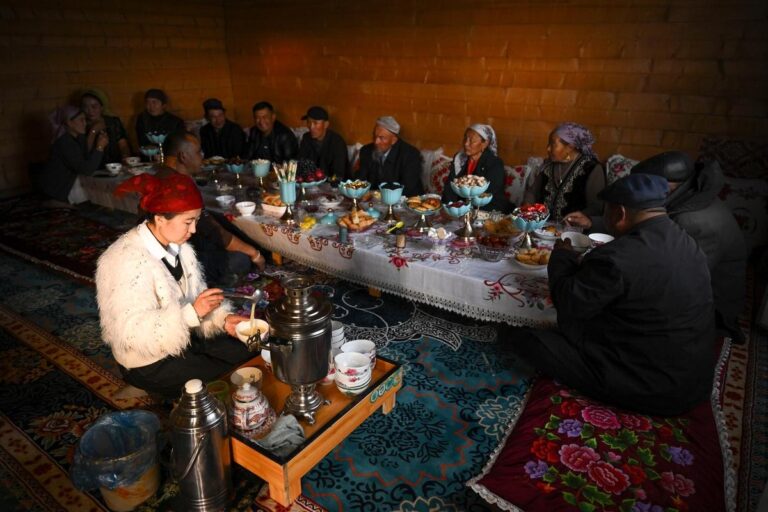
The first time I saw Nowruz up close was in a windswept Ili valley town, on March 21, when the snow was still patchy on the hills but the apricot buds had started to swell. A long table ran down the street, covered in eggs dyed with onion skins, plates of sprouted wheat, and a samovar that never stopped steaming. Nobody asked what I was doing there. They handed me a bowl of sumalak — a sweet paste slow-cooked from wheat sprouts — and pulled me onto the carpet. That is Nowruz: a 3,000-year-old new year that refuses to notice borders.
Nowruz (also spelled Navruz or Nawruz) marks the spring equinox and the start of the new year for many of Xinjiang‘s communities, especially Uyghur, Kazakh, Kyrgyz, and Tajik people. It is older than any modern state line, a piece of the Silk Road that simply kept living.
What Nowruz Means
At its core, Nowruz is about renewal. Families clean their homes, settle debts, visit graves, and forgive old grudges. The sprouted wheat on the table (sabzi) is a symbol of life returning to the earth. Fire and water both play roles in older traditions — jumping over small bonfires, washing in streams — though in Xinjiang the celebration leans more toward food, music, and gathering than ritual fire.
The Seven Symbols (Haft-Seen, Local Style)
In Persian tradition the table holds seven items starting with ‘S’. In Xinjiang the layout is looser but the spirit is the same: green sprouts, colored eggs, garlic, apples, and coins appear alongside regional dishes. The point is not the exact items but the wish for a green, fertile, lucky year.
Nowruz Foods You Should Try
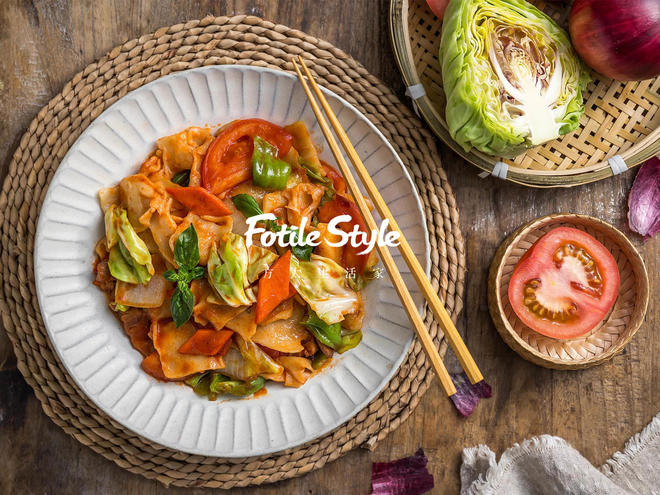
The food is the part travelers remember. Sumalak is the star: wheat sprouts ground and cooked for hours with oil and flour until it becomes a dark, malty porridge. It is made communally, often by women who stir the pot through the night singing songs. Other staples include halva, fried breads, and platters of polo (pilaf).
| Dish | What it is | When served |
|---|---|---|
| Sumalak | Slow-cooked sweet wheat-sprout paste | Pre-dawn into morning of Nowruz |
| Kok samsa | Green herb and meat pastry | Throughout the day |
| dyed eggs | Hard-boiled eggs colored with natural dyes | Game and decoration |
| Polo | Hand-grabbed rice with carrot and lamb | Main shared meal |
Where to Experience Nowruz in Xinjiang
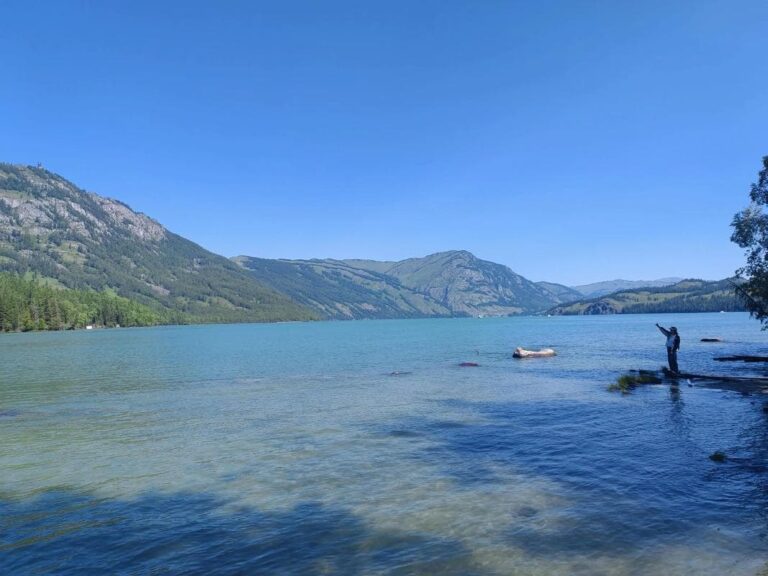
The Ili valley (Yining and surrounding counties) is the heartland, with Kazakh and Uyghur communities hosting open-air gatherings. Khotan and Kashgar in the south also celebrate, often with dolan music and dancing. In the Pamir, Kyrgyz and Tajik families mark the day quietly with yurts and broth. Timing matters: the equinox falls on March 20 or 21, but celebrations can run a week.
Games and Music
Nowruz without sport is unthinkable. Look for kopkari (a horseback grab-the-carcass game), ulak tartysh, wrestling, and impromptu mushtap dances. Children hunt for hidden eggs. The music — dutar, rawap, frame drums — carries late into the night.
How Travelers Can Join Respectfully
You do not need an invitation to feel welcome, but you do need manners. Accept food when offered; refusing the first bowl can read as cold. Don’t photograph elders at prayer without asking. Dress modestly, as you would for any gathering in the region. And bring a small sweet or fruit to contribute — reciprocity is the whole point of the table.
If you want to plan around it, our season-by-season breakdown shows why late March is one of the most humane times to be in the south and west.
The Silk Road Heritage of Nowruz
Nowruz is arguably the oldest continuous celebration along the Silk Road, predating the nations that now claim it. In Xinjiang it sits at a crossroads: Persian in origin, Turkic in practice, and Central Asian in flavor. When I asked an old man in Yining why his family still celebrated after so many centuries, he shrugged and said the spring owed them nothing less than a welcome. That attitude — greeting the season as a guest — is the emotional core of the holiday here.
Preparations in the Home
The week before Nowruz, households clean top to bottom, a practice called khana tekme in some communities. New clothes are bought for children. Debts are settled and old arguments quietly dropped. The sabzi (sprouted wheat) is planted about two weeks ahead so it’s lush by the equinox. I’ve been invited to help water a family’s sprouts, and the care they gave those green shoots told me more about the holiday than any explanation.
Public Celebrations vs. Private Tables
The public side — music, games, open-air gatherings — is what travelers see. The private side is the family table, which can run for hours with generations together. If you’re welcomed to one, accept; it’s the deeper experience. The street events in Ili and Kashgar are easier to stumble into and just as warm, but they’re a fraction of the whole.
| Element | Public | Private |
|---|---|---|
| Music & dance | Stages, squares | Living room, informal |
| Food | Stalls, shared platters | Home-cooked feast |
| Games | Kokpar, wrestling | Children’s egg games |
| Atmosphere | Loud, open | Intimate, familial |
Egg Games and Children
A charming Nowruz tradition is the egg tap: two people each hold a hard-boiled dyed egg and tap ends, trying to crack the other’s while keeping their own intact. Children take this very seriously. If a kid challenges you, play along — losing gracefully to a grinning eight-year-old is a small price for the laugh you’ll both share. The dyed eggs also decorate the table as symbols of fertility and the returning sun.
Nowruz and the Wider Year
Nowruz opens the warm half of the Xinjiang calendar. It precedes the nomad move to summer pastures and the bloom of the apricot orchards. Travelers who catch it in late March get a region shaking off winter without the summer crowds. For timing the rest of your trip, our season-by-season guide picks up where Nowruz leaves off.
Nowruz Proverbs and What They Teach
Every community I’ve celebrated Nowruz with has a saying about it. In Yining an old Kazakh woman told me, “The year that doesn’t begin clean won’t end clean” — summing up the pre-holiday house-cleaning as moral hygiene, not just chores. In Kashgar, a grocer insisted the sprouted wheat must be green and tall “or the year is shy.” These small sayings are how the philosophy travels between generations without a sermon. As a visitor, listening for them is a quiet way to understand a culture that values the season more than the self.
A Traveler’s Nowruz To-Do
If you find yourself in Xinjiang around March 20, here’s a gentle plan: arrive a day early to watch the preparations, join a public gathering in the Ili valley or Kashgar, taste the sumalak even if it’s an acquired taste, and buy a dyed egg from a child if they offer. You won’t be performing the holiday; you’ll be witnessing it, which is exactly the right posture. The festivals guide lists the other spring events worth catching nearby.
What travellers ask
Is Nowruz a religious holiday?
Not exactly. It is a cultural and seasonal new year observed across many faiths, including Muslim communities in Xinjiang. It predates Islam and is celebrated as heritage rather than worship.
What date is Nowruz in Xinjiang?
Around March 20–21, the spring equinox. Public celebrations often stretch for several days before and after.
Can tourists attend Nowruz events?
Yes. Many gatherings are public and welcoming. Markets and parks in Ili and Kashgar are good, low-pressure places to witness it.
What should I wear to a Nowruz gathering?
Modest, neat clothing is appropriate. Bright traditional dress is worn by locals, but visitors are not expected to match it — just be respectful and comfortable.
Is Nowruz the same as Chinese New Year?
No. They fall on different dates and come from different traditions. Nowruz is the Persian/Central Asian equinox new year; the two sometimes overlap in spirit but are distinct celebrations.