Sending Postcards from Xinjiang: A Slow Joy in a Fast World
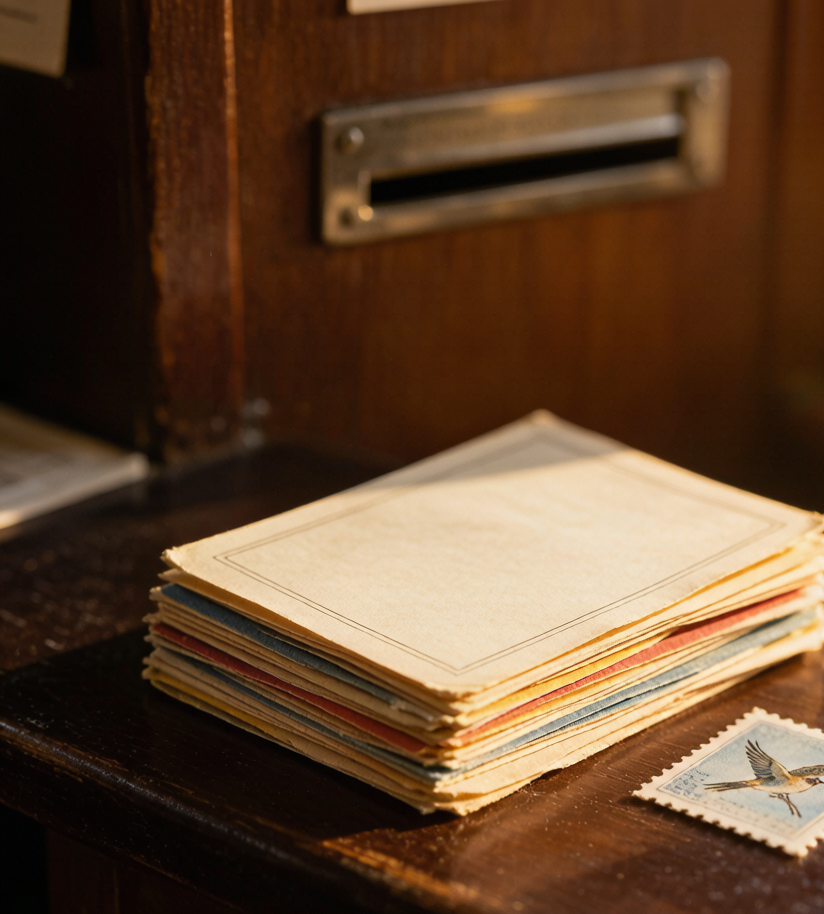
In a world of instant photos, I have come to love the slow absurdity of a postcard, and Xinjiang is a good place to send one. The card arrives weeks later, from a place your friends cannot quite place, and that delay is the charm.
Post offices exist in the county towns, often near the main square, and I treat finding one as part of the wander. After the bazaar or a morning at the Id Kah Mosque, I look for the green sign and buy a stamp with the same pleasure as a souvenir.
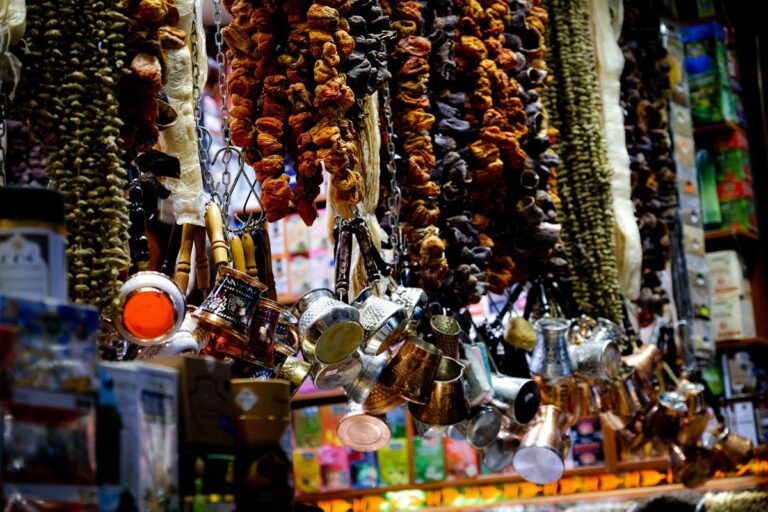
The cards themselves are the fun part. Market stalls sell views and calligraphy, and the handicraft markets I have written about are a good hunting ground for something less generic than the airport rack. Pick one that means something, not one that is convenient.
Logistics are easy once you know the rhythm: buy card, buy stamp, write it the same day while the place is fresh, and post it before you leave town. I have mailed cards from a dozen Xinjiang towns and almost all arrived, which is a better record than I expected.
My tip is to send one to yourself. The future card from a past trip is a small time capsule, and it costs almost nothing. In a region this big, a posted card is proof you were there slowly enough to notice, and that is worth more than the photo.
The stamp is the adventure. At smaller post offices the clerk may not speak English, but a card and a pointing finger solve it, and the transaction becomes a small human moment. I have left post offices having practised more Mandarin than I planned, which is a bonus, not a cost.
Post to a few people, not one. The cards cost almost nothing and the spread of arrival dates becomes a little streak of joy across a month, each one a ping from a place you have already left. Few souvenirs earn their keep like that.
The card choice is half the fun. The airport rack sells the same image everywhere; the market stall sells the one that remembers the place, and I hunt the latter. At the bazaar I found a hand-printed view of the old town that no hotel lobby had, and mailing it felt like sending the real trip, not the brochure. Write the card the day you buy it, while the place is fresh, because a week later the words come out generic and the moment is gone. Stamps are cheap and the clerk will often help you place the sticker straight; that small kindness is the human beat of the errand. I send a stack and keep one for myself, and the self-addressed card landing weeks later is a small time capsule from a traveller I used to be, which is worth more than the postage.
If the post office is closed, the hotel desk will sometimes take a card and stamp it for you, and I have used that twice when timing failed me. The card still travels, just a day late, and the recipient never knows the difference. The habit, more than the postmark, is the thing; write small, mail often, and let the trip echo backward in time.
The hour I go back for
I now aim for the last forty minutes before closing time, when the groups have dispersed and you can take it in properly instead of squeezing past other visitors. Whatever the guidebook says about golden hour, go on a weekday. The light is only free of company on a Tuesday. Treat midday as a time to avoid, not to plan around. The light flattens, the shade vanishes, and on an exposed plateau the heat builds until photography is the last thing on your mind.
Between the two I would pick the later one, mostly because the early version costs you the rest of the day. The same spot will give you two entirely different scenes depending on whether you go early or late. Sunrise is the one worth an alarm for. The whole face of Sending Postcards From Xinjiang turns a colour that does not exist at any other time, and the site is empty enough that you can stand still and hear nothing. At ten the coaches arrive; by one it is a steady stream of bodies.
The short version, with the numbers, is in our [[xinjiang-postcards-mail-guide|Sending Postcards and Mail from Xinjiang: A…]].
How much time the place really needs
I rushed the first time and ended up fixed in one spot, gazing at one rock the whole visit. I returned at dawn and again late in the day and found two different sites, the shifting light and thinning crowds transforming it. My own rule now: if I have to choose between this and an extra evening in Xinjiang, I keep the evening. The gates open early but entry usually closes two hours before the site does, so returning for sunset is not always an option. Most newcomers budget two hours and end up stranded.
Budget the full morning. That time includes the walk in, a proper look at the main sight, the quieter side paths, and returning to the car before the light flattens. Ninety minutes is enough to tick the box. Half a day is enough to understand it. A full day is what you want when the point of coming was Sending Postcards From Xinjiang itself rather than a stop on the way.
Where most people get the logistics wrong is covered in our [[tea-hospitality-xinjiang-from-salam-to-samovar|Tea Hospitality in Xinjiang: From Salam to…]].