Travel Insurance for Xinjiang: What to Buy and How Claims Work
Xinjiang is safe to visit, but it is also remote and high. The right insurance is the difference between a bad day and a ruined trip. Here is what I look for, because the cheap policy that excludes altitude is worthless on the Pamir.
Coverage that matters here
- Altitude — many policies exclude over 3,000–4,000 m unless you add it; the Pamir goes higher. Check the limit before you buy.
- Emergency evacuation — a medevac from Tashkurgan to Urumqi is not cheap and not negotiable in a crisis.
- Trip cancellation / delay — weather closes mountain passes; flights cancel. This is common, not rare.
- Belongings — cameras and laptops are the usual loss on a road trip.
Buying
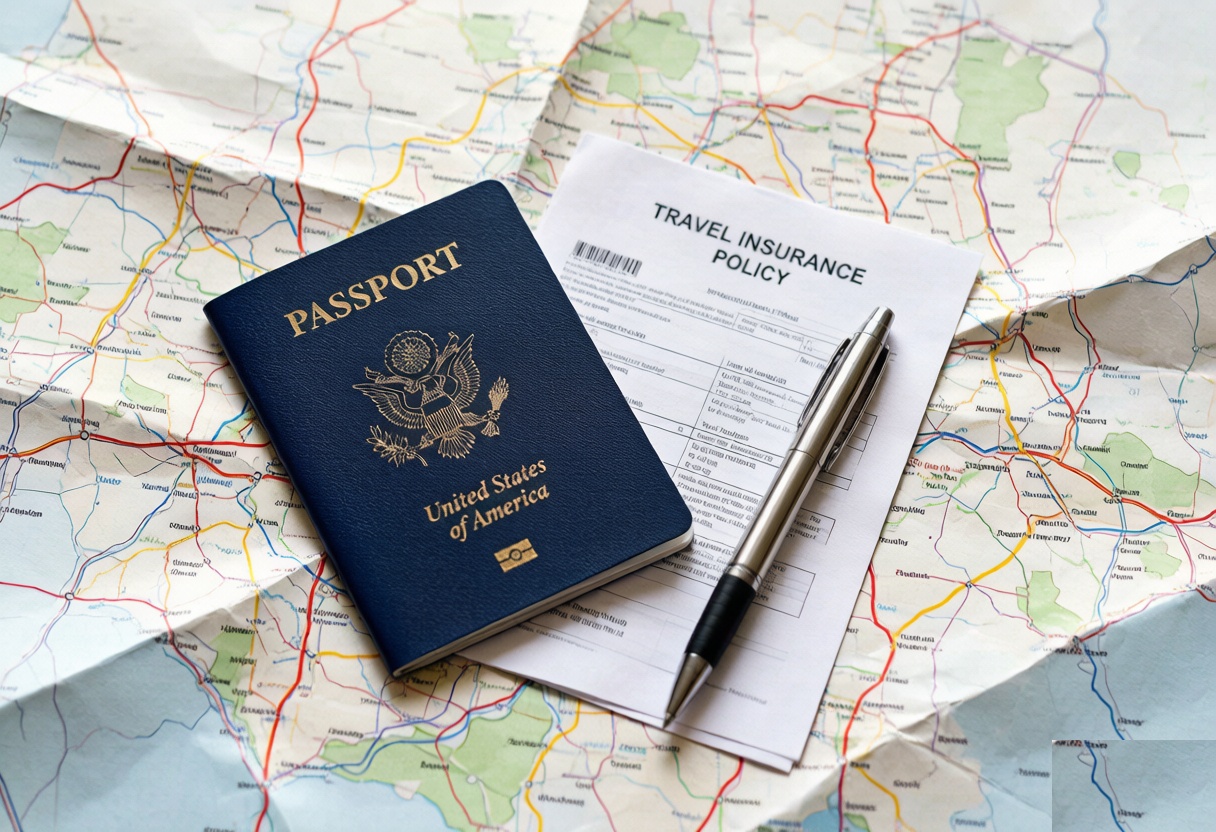
Buy before you leave home from a recognised provider; confirm China and “high-altitude activities” are included. Our health overview lists what might go wrong; insurance is your financial cushion against it. Our 30 tips remind you to pack the policy paper, not just a photo.
Making a claim that pays
- Call the 24-hour hotline before you pay large bills when possible.
- Keep every receipt — even the pharmacy slip is evidence.
- Get a written diagnosis from the hospital (our emergency guide explains the tiers so you know where to go).
- Photograph the claim forms and submit promptly; delays are the main reason claims stall.
The honest point
Most travellers never claim. But the one time a pass closes and a prepaid loop collapses, or altitude forces a flight home, the policy pays for itself many times over. Insure for the remote parts of Xinjiang, not the city hotels, and you have bought peace of mind.
Reading the fine print
Two exclusions trip people up. First, altitude: if the policy caps at 3,500 m and you go to the Pamir, a related claim can be denied — buy the add-on. Second, “hazardous activities”: some exclude off-road driving or winter motor sports; if you plan either, confirm in writing. A five-minute read of the exclusions prevents a five-thousand-dollar surprise.
Before you need it
Save the hotline as a contact, screenshot the policy number, and note the nearest accepted hospital in each city you visit. Our health overview lists what might go wrong so you can match coverage to reality. Insurance you understand before the trip is the only kind that pays when it counts.
What to sort out before you fly
And the car, if you are driving, well ahead in the peak months. Three things, in this order. Everything else on this list can be sorted at the airport desk or the hotel lobby, and mostly is. The border permit if your routing goes near a closed frontier, because that one has lead time nobody can compress. The first two nights in the far cities, which is where the good rooms go. I wrote the driving side up in our [[xinjiang-travel-insurance-health|Staying Healthy in Xinjiang: Altitude,…]] as well.
What a day actually costs
Food is the smallest of the three if you eat where locals eat and the biggest if you eat where the menu is in English. The shape is simple: the car and the fuel, the rooms, the food. For two people driving, a day that includes a hotel runs a small fraction of the same day in Western Europe, and the gap opens further once you stop paying restaurants. The places where it stops being cheap are the entrance tickets and the guided days. The short version, with the numbers, is in our [[xinjiang-travel-tips-2026|Xinjiang Travel Tips 2026: Your Essential…]].
What the policy must cover
A generic policy often stops short of where Xinjiang actually takes you, so I check three things before I buy: high-altitude (the Pamir and Tianshan passes go well above where basic plans apply), driving (if you’re hiring a car, confirm you’re covered as a driver or passenger), and remote evacuation (the cost of getting you out of a mountain area if a road closes). Read the fine print on “restricted regions” too — a few cheap policies quietly exclude parts of far western China, which defeats the purpose entirely.
Buy it before you fly, and keep proof
I buy before I leave home, not at the airport, and I save the confirmation to a notes file plus a screenshot. In five years I’ve claimed twice — once for a cancelled train, once for a clinic visit — and both paid out because I’d kept the stamped receipts and the diagnosis note. The checklist I travel with: policy number, 24-hour line, coverage confirmation for altitude and driving, and a folder of every medical receipt. It takes five minutes to set up and removes the one variable you don’t want to discover mid-trip.