Abakh Khoja Mausoleum (Xiangfei Tomb): Kashgar’s Architectural Masterpiece
Why bother coming
The Abakh Khoja Mausoleum, known locally as the Xiangfei Tomb or the Fragrant Concubine’s Tomb, is the most important Islamic shrine in Kashgar and one of the finest examples of Uyghur funerary architecture in all of Xinjiang. Set a few kilometers east of the old city, this 17th-century complex has served for generations as the burial place of the Abakh Khoja family, a dynasty of local rulers and Sufi leaders who shaped the history of the Tarim Basin for more than a century.
What draws travelers here is not only the historical weight but the sheer beauty of the place. Domed chambers clad in green and blue glazed tile, courtyards shaded by old trees, and a silence broken only by the murmur of visitors make it a calming counterpoint to the bustle of Kashgar’s bazaars. For anyone interested in the cultural and religious heart of southern Xinjiang, this site is essential, and it rewards slow attention far more than a quick photo stop.
How you reach it
The mausoleum sits about five kilometers east of Kashgar’s old city center, in the suburb of Haxiah Maizire. Most visitors take a taxi or ride-hailing car from downtown, which costs roughly 15 to 25 yuan and takes 15 to 20 minutes depending on traffic. If you prefer public transport, local minibuses running along the eastern ring road will drop you within a short walk of the entrance, though routes shift, so confirm the latest stop with your hotel before setting out.
Because the site is on the way to the Kashgar Sunday Bazaar and the airport road, many travelers combine it with a morning at the livestock market or an afternoon departure. Driving yourself is possible, but parking is limited on busy weekends, so a hired car for a half-day loop is the easier option. Arrive before 11 a.m. to beat both the heat and the tour groups that roll in around midday, and you will have the courtyards almost to yourself.
Months worth planning around
Kashgar sits on a high desert plateau, so the climate is dry and extreme. Spring, from April to May, and autumn, from September to October, offer the most comfortable temperatures, typically between 15 and 25 degrees Celsius, ideal for walking the open courtyards. Summer brings intense sun and afternoon temperatures above 35 degrees, while winter is cold but beautifully quiet, with frost on the tiles and almost no crowds.
For photography, the late afternoon light rakes across the glazed dome and turns the blue tiles luminous, so plan to be on site around 4 to 6 p.m. If you want solitude, choose a weekday in the low season. The site is open year-round, with slightly shorter hours in winter, and the low golden light of January and February produces some of the most striking images of the year.
What to prioritise
Begin in the outer courtyard, where a tall gatehouse introduces the color palette you will see throughout: turquoise, cobalt, and white set against the brown earth of the surrounding plain. Beyond it lies the main tomb chamber, a square hall crowned by a bulbous dome nearly 20 meters high, covered in mosaic tilework that has survived centuries of wind, sun, and occasional earthquake without losing its sheen.
Inside, the central crypt holds the coffins of Abakh Khoja family members, draped in silk and arranged according to seniority. Photography of the coffins is generally discouraged out of respect, but the architecture around them is fair game, and the carved wooden screens and painted ceilings are worth a long look. Off the main hall, smaller rooms display artifacts, genealogies, and the story of Iparhan, the 18th-century woman who inspired the Xiangfei legend and whose tale reached the Qing imperial court in Beijing.
Spend time in the side gardens, where poplar and mulberry trees provide rare shade. Local families often picnic here, and the atmosphere is gentle and unhurried in a way that the major mosques rarely manage. A small on-site museum explains the Sufi lineage of the family and their role in regional politics, which helps make sense of why this quiet suburb holds such national significance and why it remains an active place of pilgrimage today.
Small things that help
Tickets are sold at the entrance and usually include the main chamber and gardens; carry cash as card machines can be unreliable. Modest dress is expected, and women may be asked to cover their hair at the door, so carry a scarf. Remove your shoes if you enter the inner prayer areas, and keep your voice low to respect worshippers who may be present.
Guides are available at the gate and are worth the small fee if you want the full history, since most plaques are in Chinese and Uyghur only. Allow 60 to 90 minutes for a relaxed visit. Combine the trip with nearby village walks where you can see traditional mud-brick housing unchanged for generations. Bring water, as shade is limited and the altitude makes the sun feel stronger than the temperature suggests, especially between noon and 3 p.m.
Trips from here
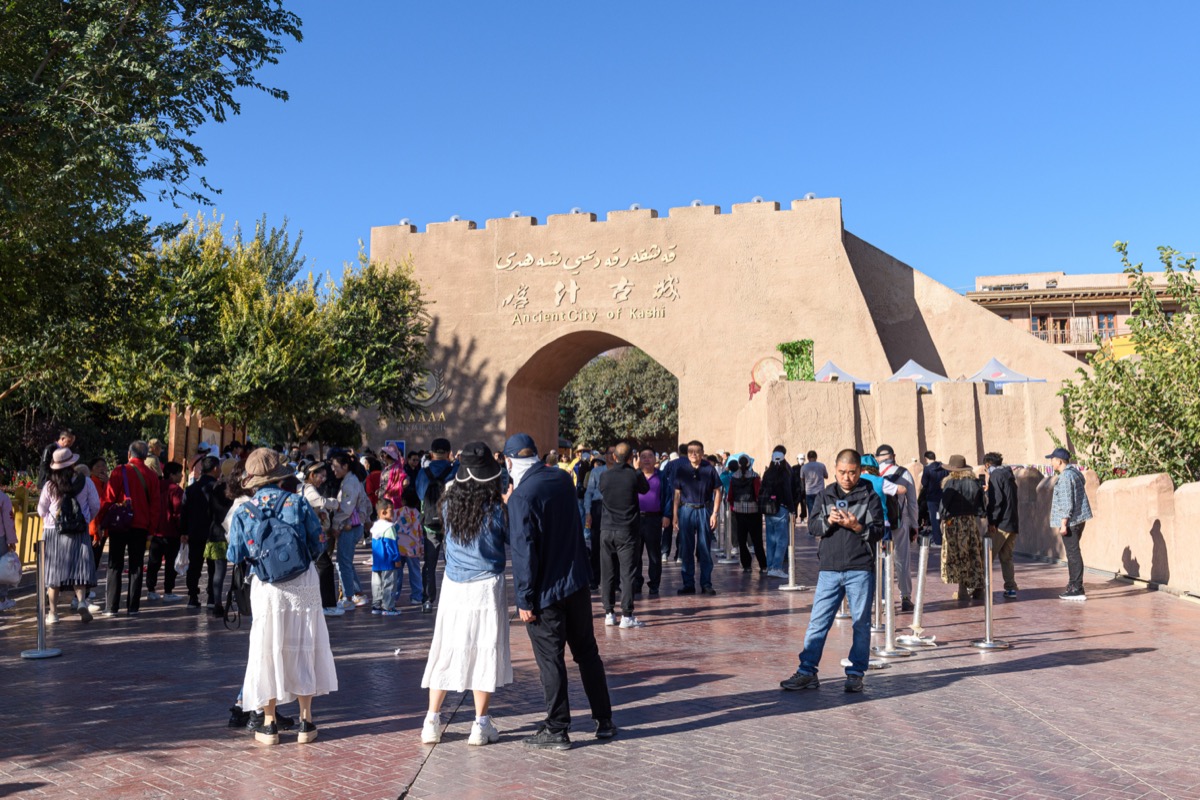
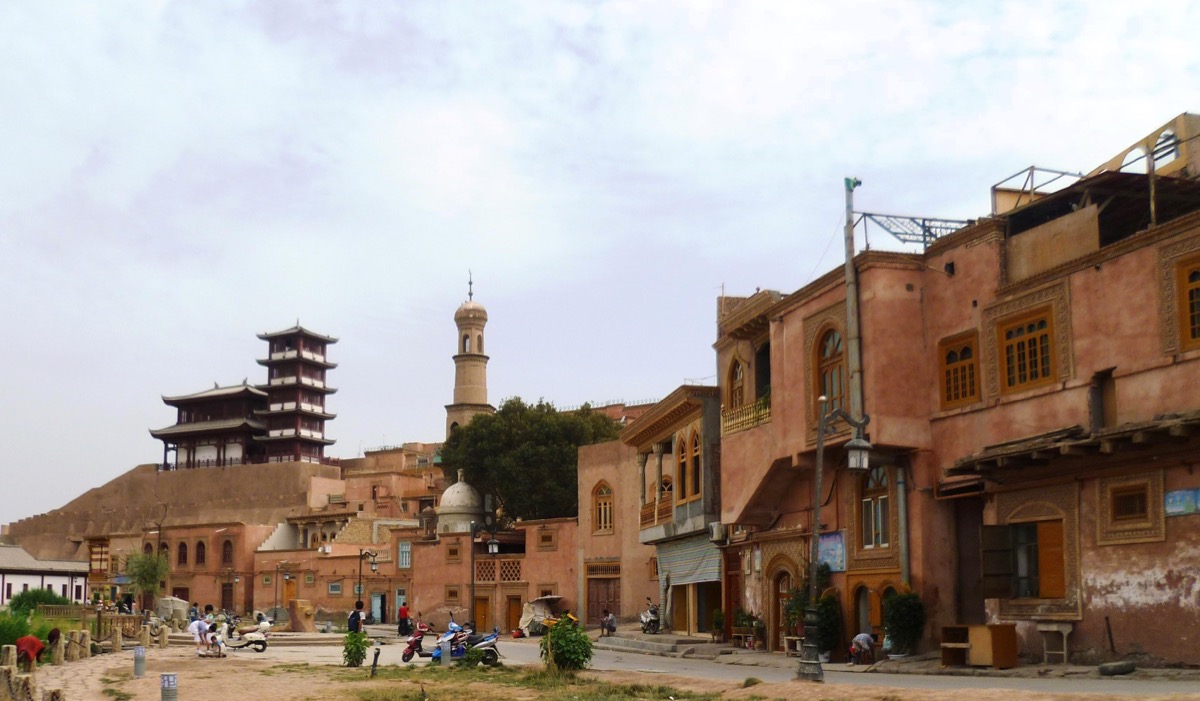
The mausoleum pairs naturally with the Kashgar Old City, about 15 minutes west by car, where you can wander the maze of alleys, tea houses, and handicraft workshops. The Id Kah Mosque, the largest in Xinjiang, is also close and complements a half-day of cultural sightseeing. If you are heading out of town, the route east continues toward the Karakoram Highway and the Pamir Plateau, making this a convenient last stop before the mountains and a useful orientation point for the region’s layered history.
What is worth carrying home
The Abakh Khoja Mausoleum rewards slow attention. It is not a loud attraction, but its tiles, domes, and quiet gardens tell the story of Kashgar better than any museum plaque. Whether you come for the Xiangfei legend, the Sufi history, or the architecture, plan to linger, and you will leave with a deeper feel for the spiritual and artistic traditions that still define southern Xinjiang today.