
Xinjiang in Autumn: The Gold-Week Color Explosion and How to Beat the Crowds
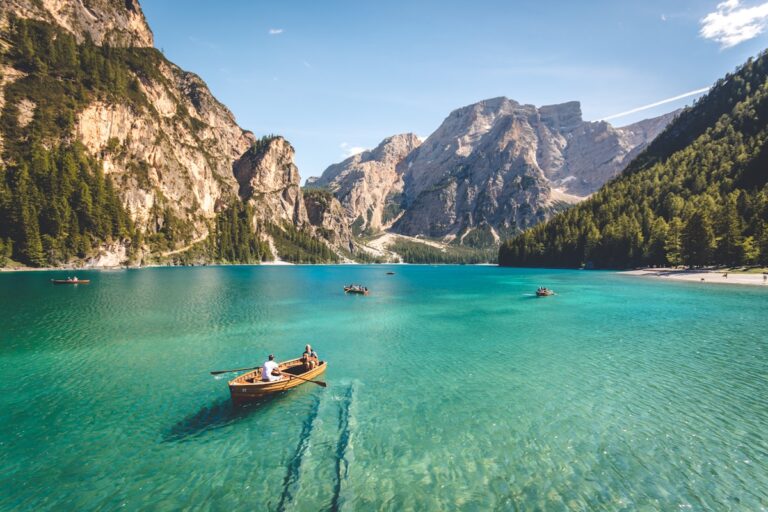
If Xinjiang has a postcard season, it’s autumn. From late September the birch and larch turn gold, the lakes go their clearest blue, and the summer dust settles into still, bright days. It’s the most beautiful window in the region — and the most crowded, because everyone else knows it. The trick is timing the narrow color peak and dodging the two holiday spikes.
Here’s how to do autumn right.
The Color Window
Late Sep – early Oct: Kanas, Hemu, and the Altai hit peak gold. This is the famous window — and the busiest. The first week of October is safest for color and still-open facilities; the second turns cold and some access closes.
Mid-Oct: The Ili Valley and Tianshan go gold a touch later; fewer crowds than the Altai.
Nov: Quiet, cold, and lovely in the south, with the last leaves and no tourists — but some mountain roads start to ice.

The Crowd Problem
National Day (Oct 1–7) overlaps the peak and jams Kanas, the Duku, and Sayram. Avoid those seven days if you can. Even outside them, Kanas caps entries and the Burqin road clogs. The fix: go the week of Sep 20–30, or shift south (Hotan, Kashgar) where autumn is mild and empty.

Best Autumn Drives
The Altai loop (Burqin–Kanas–Hemu) is the icon. The Ili loop (Yining–Nalati–Kuerdening) is the quieter gold. The Duku Highway in early October is spectacular but weather-closed risk rises fast. Pick one, not all — autumn rewards depth over distance.
A second look on day two
I did, and the second visit was better, because the first had been spent working out where to stand. The second time you can skip the obligatory viewpoint and walk along the base of the ridge where the light comes in sideways, and that is the photograph you keep. Almost nobody does Xinjiang In Autumn The twice. If your itinerary has a spare morning, spend it here again rather than at the bigger name on the far side of town. The evening version of that plan is in our [[xinjiang-avoid-crowds-guide|How to Avoid Crowds in Xinjiang: Timing,…]].
Worth pairing with
Ask at the hotel desk the evening before what opened this week, because several of these places shift their hours with the season and the leaflet in the lobby is a year out of date. With a car the combination that worked for us was the site in the morning, a long lunch somewhere with shade, and the other place in the late afternoon, so two half-days covered a full one. Xinjiang In Autumn The sits naturally into a longer Xinjiang day. The stops most people miss are the small ones between the big names.
The hour I go back for
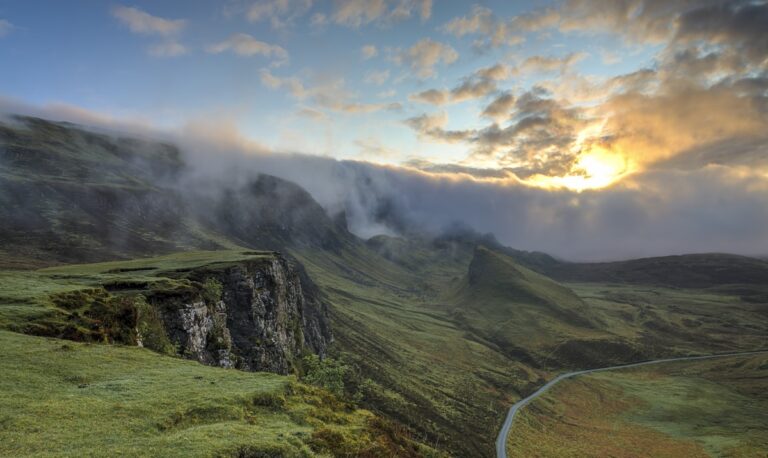
The whole face of Xinjiang In Autumn The turns a colour that does not exist at any other time, and the site is empty enough that you can stand still and hear nothing. By ten the coaches are here, and by one it is an hour of people shuffling past. I have come to like the last forty minutes before the gate shuts, when the groups have gone and the staff are sweeping, because that is when you can look up properly instead of squeezing a shoulder past strangers. Whatever the guidebook says about golden hour, go on a weekday. The light is only free of company on a Tuesday.
Everything goes flat, the shade disappears, and the temperature on an open plateau rises in a way that stops you caring about photographs. Midday is the hour to avoid, not the hour to schedule. Go early or go late and the same ground gives you two different subjects. Between the two I would pick the later one, mostly because the early version costs you the rest of the day. Sunrise is the one worth an alarm for.
The mistake I made the first time
It was, in the sense that I saw everything, and it was ruined in the sense that I saw everything at the same hour with the same crowd, and I spent the drive home meaning to come back and never did. What I would tell the version of me who planned it: put the slow hours in, not the fast ones. The whole point of coming this far is to have the place to yourself for a while, and that only happens if you are willing to be there when it opens or when it is nearly shut. I did come back the following trip, at seven in the morning, and it was a different site. The other mistake is about distance on the map.
There is a shuttle, a walk, sometimes another shuttle, and the stretch everybody underestimates is between the second gate and the thing you crossed the country to see. The gate is not the site. So: work out how far it is from where the vehicle drops you to the feature, then double it. That is the number of hours the visit needs. I assumed two hours would be plenty.
For Photographers
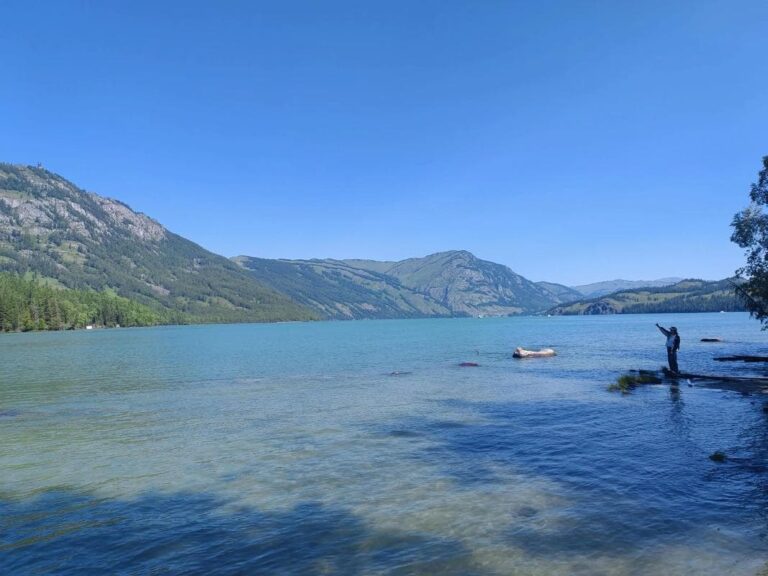
Shoot the golden hour (sunrise at Hemu, sunset at Sayram) and you’ll understand the fuss. Pack a polarizer for the lake glare and a warm layer — mornings at altitude are near-freezing even in ‘warm’ October. Autumn is the season that pays for every early alarm.
Bottom Line
Go in the last two weeks of September for the color without the worst crowds, pick the Altai or the Ili (not both), and let the gold do the rest. It’s the Xinjiang everyone photographs, and for once the photos are honest.