Bayanbulak Grassland: Swan Lake, the Nine Bends of the Kaidu River & Xinjiang’s Wild Highland
Bayanbulak Grassland: Swan Lake, the Nine Bends of the Kaidu River & Xinjiang’s Wild Highland
Last updated: July 15, 2026 · Written by Karl Huang, a Xinjiang travel specialist who has spent time across the region. Practical details are cross-checked against official tourism, transport, and border-regulation sources.
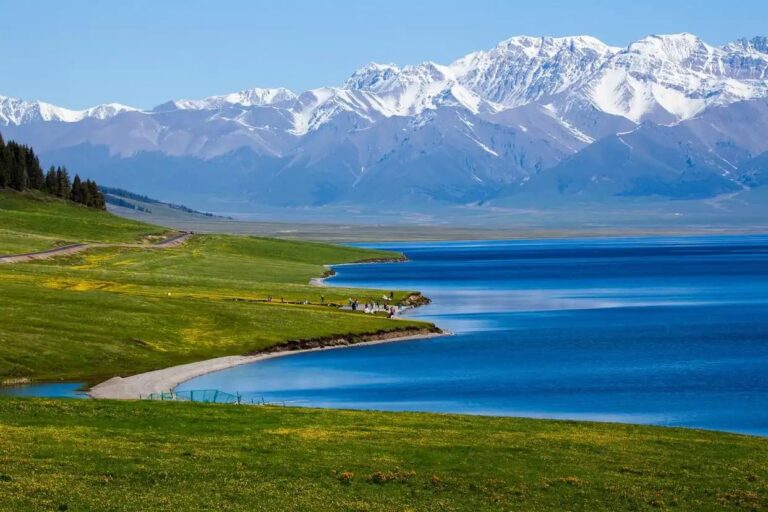
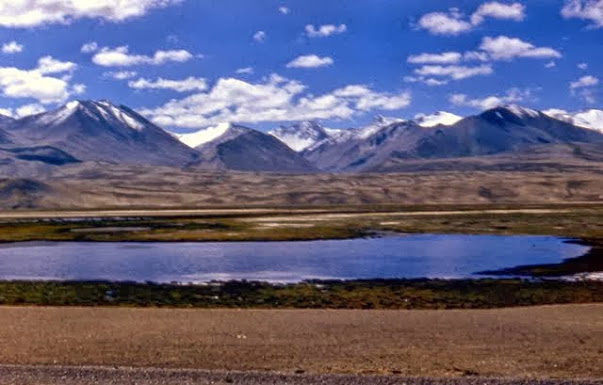
High in the heart of the Tianshan Mountains, cradled by snow-dusted ridges on every side, lies one of the most extraordinary landscapes in all of China. Bayanbulak Grassland (巴音布鲁克) is a vast alpine basin where a silver river folds back on itself again and again, where wild swans glide across mirror-still lakes, and where Mongolian herders still raise their horses much as their ancestors did seven centuries ago. At roughly 2,500 metres above sea level, this is the second-largest grassland in China, and arguably the most photogenic. The name means “rich spring” in Mongolian, a nod to the countless streams and wetlands that keep this high plateau impossibly green through the short mountain summer. For travellers willing to make the journey deep into central Xinjiang, Bayanbulak rewards them with sunset panoramas that appear on postcards across the country — and a sense of wild, roadless space that is increasingly rare anywhere on earth.
Why Bayanbulak Belongs on Your Xinjiang List
Most first-time visitors to Xinjiang gravitate toward the alpine lakes of the far north — Kanas, Sayram, Hemu — or the Silk Road cities of the south. Bayanbulak sits geographically and experientially between those worlds, and it offers something neither can: a genuine high-altitude wetland ecosystem combined with living Mongolian nomadic culture. This is not a manicured park with a boardwalk and a gift shop at the end. It is a working grassland where sheep outnumber people by a wide margin, where the horizon is broken only by distant yurts and grazing herds, and where the two headline sights — Swan Lake and the Nine Bends of the Kaidu River — feel earned rather than handed to you. If your idea of a great travel memory involves standing on a windswept ridge at dusk watching nine loops of a river catch fire in the last light, this is the place.
History & Cultural Background
The story of Bayanbulak is inseparable from the Torghut Mongols, a branch of the Oirat Mongols whose journey here is one of the great migrations of Central Asian history. In the early 17th century, the Torghuts moved west to the lower Volga region in what is now Russia. There they lived for more than a century until, facing increasing pressure from the Russian Empire, their leader Ubashi Khan led an epic exodus back east in the winter of 1770–1771. Tens of thousands set out; a great many died of cold, hunger, and attack along the way. The survivors reached the Qing frontier and were eventually settled in the grasslands of the Tianshan, including Bayanbulak. That return migration — often called the “Torghut Return” — is remembered as a symbol of loyalty and endurance, and the descendants of those herders still live on this grassland today.
Because of this heritage, Bayanbulak is administered as part of the Bayingolin Mongolian Autonomous Prefecture, the largest prefecture in China by area. Mongolian language, Tibetan-Buddhist Lamaist traditions, horse culture, and the annual Nadam-style festivals all remain part of local life. The Bayanbulak Swan Lake Nature Reserve was established in 1980 specifically to protect the whooper swans and other migratory birds that breed here — one of the very few large swan breeding grounds in China. Understanding this layered history of migration, faith, and conservation adds real depth to what could otherwise look like simply a pretty meadow.
Getting There, Tickets & Best Time to Visit
Location and access: Bayanbulak lies in Hejing County, roughly in the geographic centre of Xinjiang. The two common gateways are Korla (库尔勒) to the south-east and the Ili/Yining region to the north-west. Many travellers reach it as part of the legendary Duku Highway (独库公路) journey or as an extension of an Ili Valley loop. The nearest small airport is at Bayanbulak town, with limited seasonal flights, but most visitors arrive by road.
By road: From Korla it is around 4.5–5 hours of driving; from Nalati Grassland it is roughly 3–4 hours over a spectacular mountain pass that is itself a highlight. The final stretch of the Duku Highway from the north descends into the basin with jaw-dropping views. Note that the high mountain sections can close due to snow, generally making the reliable season late May through early October.
Tickets: Entry to the Bayanbulak scenic area costs around 108 RMB, with a compulsory sightseeing shuttle bus of roughly 90–98 RMB, since private cars are not permitted inside the core protected zone. Budget around 200 RMB per person for combined entry and transport. Horse riding, boat trips at Swan Lake, and other activities are extra.
Best time to visit: The sweet spot is June to September. June and July bring lush green grass and wildflowers; the swans are present through the warm months. Early September offers golden grass and the year’s clearest air. The single most important tip: plan your visit around sunset. The Nine Bends of the Kaidu River are famous precisely because, on a clear evening, the setting sun is reflected in every one of the river’s loops at once — a phenomenon locals call the “nine suns.” Arrive at the viewing platform 60–90 minutes before sunset to secure a good position. Even in mid-summer, evenings at this altitude are cold, so bring layers.
The Highlights: What to See & Do
The Nine Bends of the Kaidu River (九曲十八弯): This is the signature sight and the reason most people come. The Kaidu River — the same river that, in Chinese folklore, is associated with the “Flowing-Sand River” of Journey to the West — winds through the flat basin in a series of impossibly graceful meanders. From the elevated viewing platform, reached by shuttle and a boardwalk climb, you look out over a plain stitched by silver ribbons of water. At sunset the low light turns the river to molten gold and copper while the surrounding grass darkens, creating one of the most reproduced landscape images in China. Photographers should bring a wide-angle lens and a tripod; the scene rewards long exposures as dusk deepens.
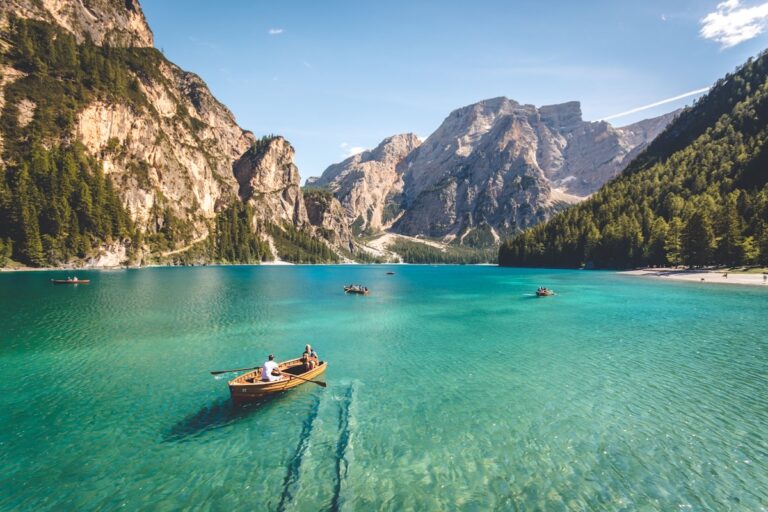
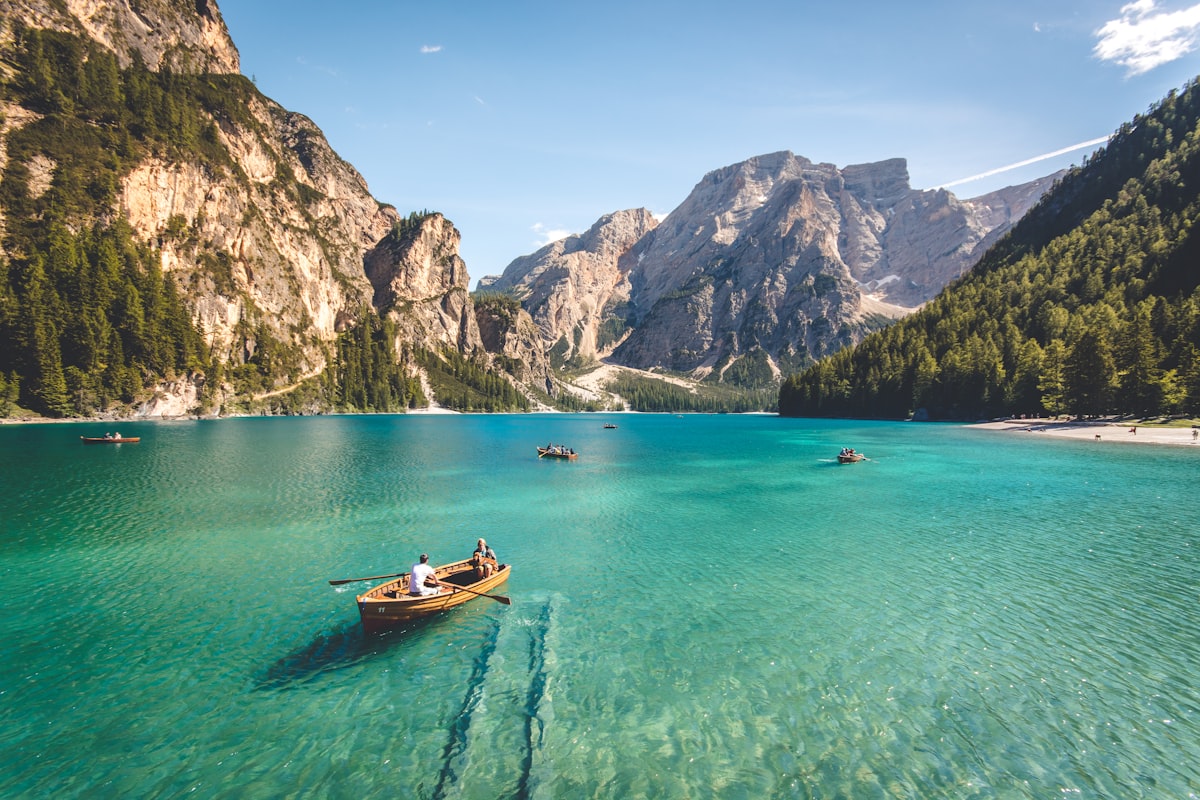
Swan Lake (天鹅湖): A cluster of interconnected lakes and marshes forms the largest swan breeding reserve in China. From April to September, whooper swans, mute swans, and dozens of other waterbird species nest and feed here. The lakes sit some distance from the main road, and the best viewing is via the reserve’s boardwalks and observation points. Bring binoculars — the swans keep their distance, and part of the magic is watching them drift across the water framed by distant peaks. Birdwatchers can also spot ruddy shelducks, black storks, and various raptors overhead.
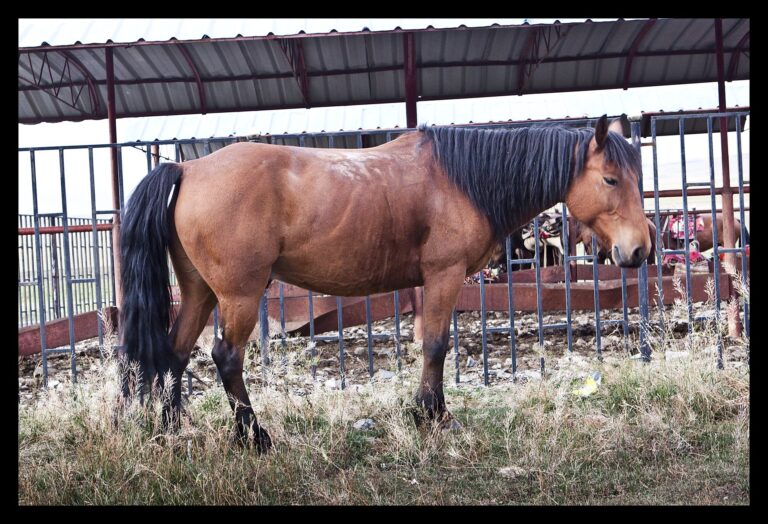
The grassland and nomadic life: Beyond the two headline sights, Bayanbulak is simply a magnificent place to slow down. Herds of horses and sheep move across the plain; white yurts dot the middle distance; and in the right season you may catch a local horse race or wrestling gathering. Many yurts offer horse rides, and staying overnight in a yurt camp lets you experience the grassland after the day-trippers leave — the silence, the extraordinary star field, and the sunrise mist rising off the wetlands.
The high mountain approach: If you arrive via the Duku Highway or from Nalati, the drive itself is a highlight. The road climbs through spruce forest and alpine meadow before cresting a pass and revealing the basin below. There are natural pull-offs where you can photograph the sweep of the grassland against the Tianshan. Give yourself extra time; you will want to stop repeatedly.
Where to Stay & What to Eat
Accommodation clusters in Bayanbulak town, the small settlement that serves as the base for the scenic area. Options range from simple family-run guesthouses and dormitory-style inns to a handful of mid-range hotels and, most memorably, yurt camps out on the grassland. The yurts are the atmospheric choice: many are run by Mongolian families who provide bedding, a wood or dung stove for the cold nights, and home-cooked meals. Do not expect luxury — plumbing is basic and hot water can be limited — but the experience of waking inside a felt tent to the sound of horses is worth the trade-off. In peak summer, book ahead, as the limited beds in town sell out fast.
Food in Bayanbulak reflects its Mongolian and Central Asian character. Expect hearty, meat-forward dishes: hand-pulled lamb, milk tea, fresh dairy such as cheese curds and yogurt, and warming noodle soups perfect for the chilly evenings. Simple restaurants line the main street of Bayanbulak town, and yurt hosts will often prepare a communal meal on request. Vegetarians should carry some snacks, as options are limited. A thermos of hot milk tea is the ideal companion for the long, cold wait at the sunset platform.
Combining Bayanbulak with Nearby Destinations
Bayanbulak rarely stands alone on an itinerary; its remote location means most travellers fold it into a larger northern or central Xinjiang loop. The most natural pairing is with Nalati Grassland and the Ili Valley to the north-west, reached over a stunning mountain road, and with the legendary Duku Highway, which links the grassland to the Tianshan’s northern slopes. To the south-east lies Korla and the gateway to the Taklamakan Desert, making Bayanbulak a logical bridge between the alpine north and the desert south. Because getting here takes real effort, it makes sense to build at least one overnight into your plan and treat the grassland as a destination in its own right rather than a quick photo stop.
Travel Tips for Bayanbulak
- Altitude: At around 2,500 m, the air is thin. Most people feel fine, but take it easy on the first day, stay hydrated, and avoid heavy alcohol.
- Dress for cold, even in summer: Evenings and early mornings can drop close to freezing. A warm jacket, hat, and gloves are worth carrying regardless of the season.
- Stay overnight if you can: Day trips force you to leave before or right at sunset. Sleeping in Bayanbulak town or a yurt camp lets you catch both sunset at the Nine Bends and sunrise over the wetlands.
- Book accommodation ahead in July–August: This is peak season and the limited lodgings in Bayanbulak town fill quickly. Options range from simple guesthouses to yurt camps and a few mid-range hotels.
- Cash and connectivity: Mobile signal is patchy on the grassland. Download offline maps, and carry some cash for small vendors and horse rides.
- Respect the reserve: Do not approach or feed the swans, stay on marked paths in the wetland areas, and take all litter out with you. This is a protected breeding ground.
- Combine it wisely: Bayanbulak pairs naturally with Nalati Grassland and the Duku Highway to the north, or with Korla and the road toward the Taklamakan to the south. Building it into a loop avoids backtracking.
- Weather changes fast: Sunny mornings can turn to cold rain or even summer snow flurries at this altitude. Always carry a waterproof layer.
Before you go
Bayanbulak is not the easiest place to reach in Xinjiang, and that is precisely its appeal. This is a landscape that has to be worked for — a long drive over high passes, a shuttle across open grassland, a climb to a windswept platform — and it repays the effort with one of the most sublime sunsets anywhere in China. Add the wild swans, the living Mongolian herding culture, and the sheer scale of the wetlands set against the Tianshan, and you have a destination that lingers in memory long after the more famous stops fade. Come for the Nine Bends at golden hour, stay for the silence of the grassland at night, and leave understanding why generations of Torghut herders crossed a continent to call this high, green basin home.