The ‘Eye of the Pamirs’: Why This Spot in Xinjiang is Worth the Journey
Deep in the heart of the Pamir Plateau lies a stunning natural wonder known as the Eye of the Pamirs. Though not a literal giant eye, its striking landform gazes silently towards the sky. Situated on China’s westernmost borderland, it has drawn countless global explorers and landscape photographers. For international travelers planning an in-depth journey into the hidden wilderness of Western China in 2026, the Eye of the Pamirs is an ultimate destination that will reshape your perception of nature. This full guide unveils all secrets of this mystical land, covering its geological legends and practical travel tips, to help you plan an epic adventure reaching the edge of the world.
Last updated: July 15, 2026 · Written by Karl Huang, a Xinjiang travel specialist who has spent time across the region. Practical details are cross-checked against official tourism, transport, and border-regulation sources.
Part 1 About the Eye of the Pamirs — What is this “Pupil of the Earth”?
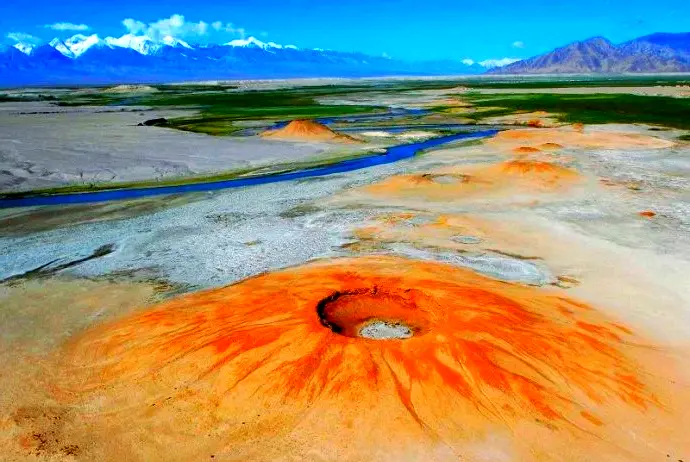
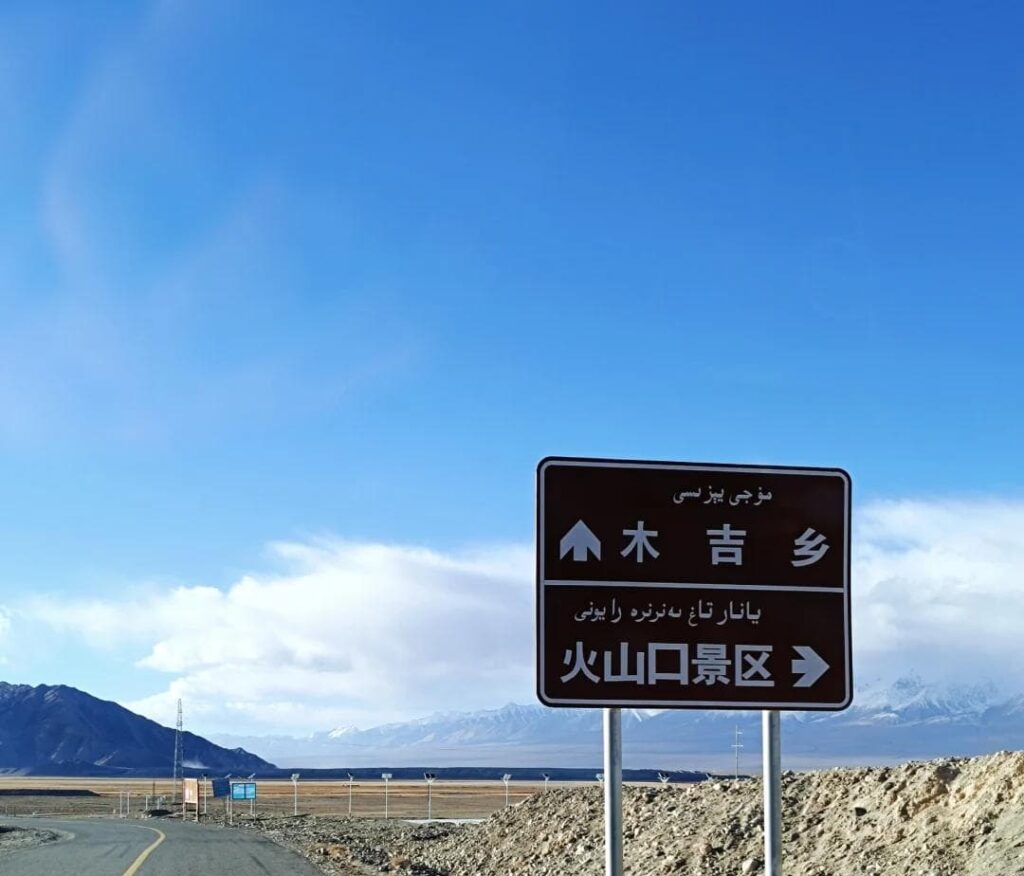
Officially named Muji Volcanic Craters, also referred to as the Kartimir Volcanic Group, the Eye of the Pamirs is located in Muji Township, Akto County, Kizilsu Kirghiz Autonomous Prefecture, right beside the Karakoram Mountains in the hinterland of the Pamir Plateau. It ranks among the most extraordinary natural landmarks at China’s western frontier.
Its Unique Geological Features & Visual Charm
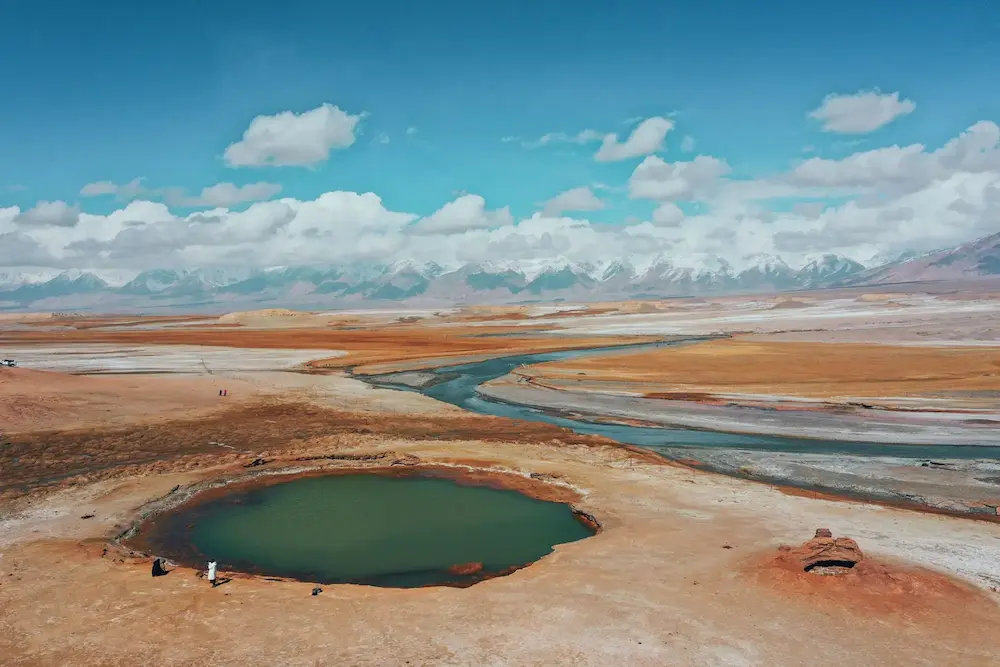
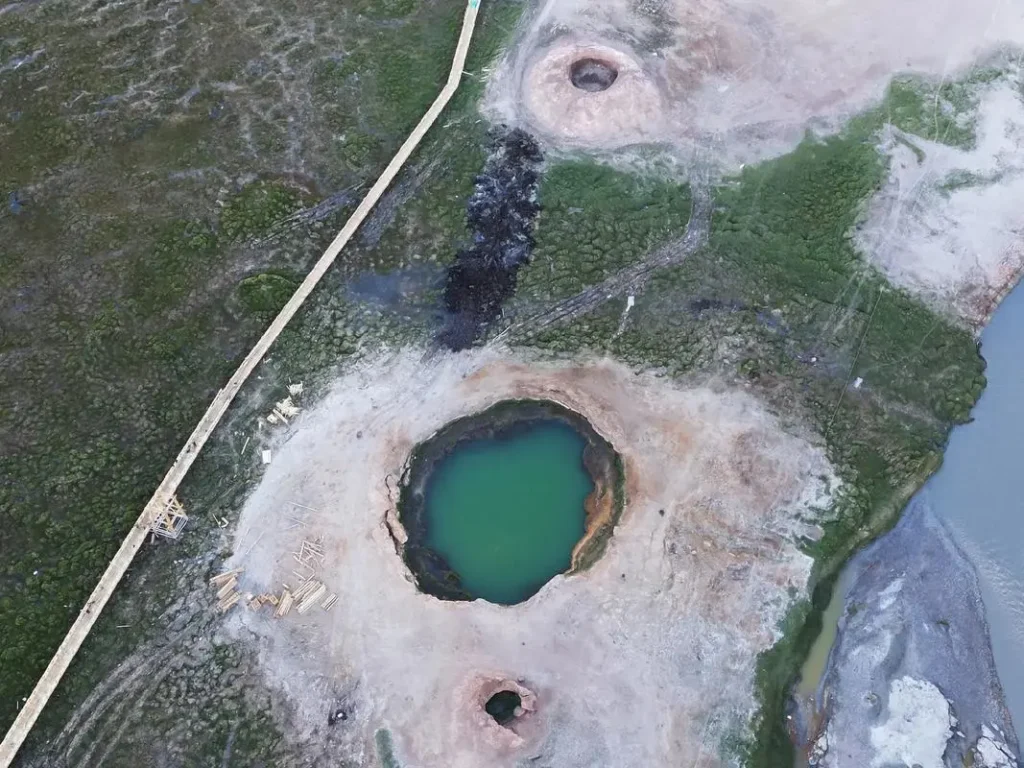
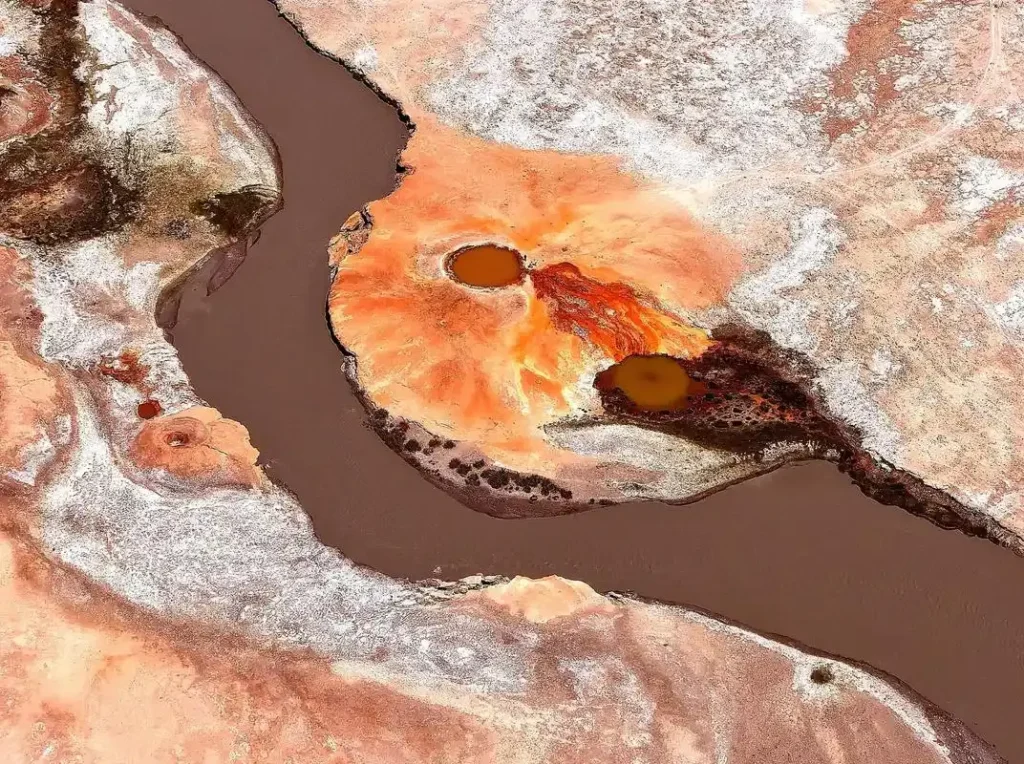
- Origin of the Name: Overhead aerial views reveal a cluster of 13 volcanic craters of varying sizes. Some craters are filled with water, displaying gradient hues of blue, green and yellow tinted by natural minerals, forming a sharp contrast against surrounding gray-brown volcanic rocks. The overall layout resembles a profound giant eye on the earth’s surface, hence its popular names Eye of the Pamirs and Devil’s Eye of the Pamirs.
- Mystery of Cold Volcanoes: Unlike ordinary volcanoes erupting scorching magma, Muji Volcanoes are categorized as cold volcanoes or mud volcanoes. Around 1,500 years ago, they ejected low-temperature slurry (only 6-7°C), groundwater, methane and acetylene gas, which later solidified into distinctive travertine landforms. This rare combination of icy landscapes and volcanic relics makes it a precious geological specimen rarely seen across the globe.
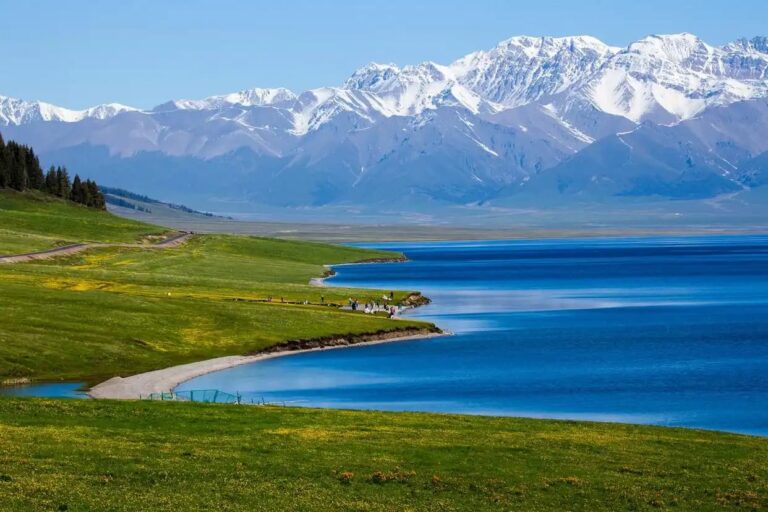
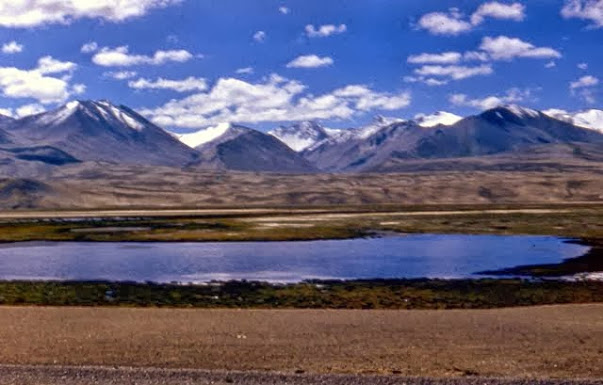
- Stunning Landscape Contrast: The surrounding area is far from desolate, embraced by vast plateau wetlands, glaciers and glacial lakes, with the snow-capped Eighteen Arhats Peaks standing in the distance. The rare coexistence of barren volcanic terrain and pure glacial wetlands creates an otherworldly alien-style scenery exclusive to the Pamir Plateau.
A visit to the Eye of the Pamirs is more than mere sightseeing; it is a journey through ancient geological history and a powerful encounter with the primordial forces of the planet.
Part 2 Top 5 Unbeatable Highlights of the Eye of the Pamirs
- Breathtaking Visual ImpactThe surreal landscape strikes visitors at first sight. The colorful volcanic “eye” rests peacefully on the vast plateau, presenting an unparalleled combination of shapes and colors that cannot be found elsewhere. It is a paradise for photographers, with every shot resembling scenes from sci-fi movies.
- One-of-a-Kind Geological WonderAs one of Asia’s largest mud volcanic clusters, it boasts high geological research value as well as outstanding sightseeing appeal. Visitors can get close to observe volcanic rock textures and sense the hidden power surging beneath the calm earth surface, a rare experience worldwide.
- Extreme Wilderness & SerenityIts remote location filters out most ordinary tourists. Here, you can embrace absolute tranquility with nothing but plateau winds echoing around, feeling as if standing at the remotest corner of the world, where grandeur meets solitude.
- Perfect Spot for Photography & Aerial ShootingWhether capturing delicate crater textures with telephoto lenses or shooting the full outline of the giant eye via drones, you can create stunning masterpieces. Soft light during sunrise and sunset golden hours brings out the most gorgeous natural colors.
- Core Stop on Classic In-Depth Pamir Plateau LoopsSeldom visited alone, it serves as the highlight of the classic Pamir travel route. It can be perfectly combined with nearby iconic attractions including White Sand Lake, Muztagh Ata Peak reflected in Karakul Lake, Panlong Ancient Road and Bandir Blue Lake, allowing you to explore the most diverse and spectacular landscapes across Southern Xinjiang in one trip.
Part 3 Best Travel Seasons & Scenic Features in 2026
Featuring a frigid alpine climate, the Pamir Plateau has a relatively short accessible travel window.
Peak Travel Season (Mid-May – Early October)
This is the main accessible period and the ideal time to visit the Eye of the Pamirs.
- May – June (Spring): Plateau ice and snow thaw gradually with wild flowers blooming. Daytime temperatures range from 0°C to 15°C. Fewer tourists bring an undisturbed tranquil travel experience.
- July – August (Summer): The mildest period of the whole year with abundant water and lush green wetlands. Note that it is also the local rainy season with changeable weather and occasional sudden showers.
- September – Early October (Highly Recommended): Crisp autumn weather delivers ultra-high atmospheric visibility, making snow-capped peaks in the distance extremely distinct. The sky turns deep blue, lake water presents richer tones, and golden plateau meadows form layered oil-painting-style scenery, the prime season for landscape photography.
Off-Season (November – April)
Severe cold, heavy snow and blocked mountain roads make travel extremely difficult and dangerous. Scenic areas are generally closed, not suitable for sightseeing trips.
Advice for Foreign Travelers: September is the most ideal travel month, featuring stable weather, magnificent scenery and fewer summer tourist crowds.
Part 4 Complete Transportation & Itinerary Planning Guide
The journey to the Eye of the Pamirs itself is an epic overland road trip.
Step 1 Arrive at the Core Transit Hub — Kashgar
All Pamir Plateau tours start from Kashgar. Ensure your valid Chinese tourist visa is ready in advance.
Step 2 Apply for Mandatory Border Entry Permit
Muji Township falls within border control zones. All foreign visitors (including travelers from Hong Kong, Macao and Taiwan) must apply for a valid Border Area Entry Permit.
The most convenient way is to submit applications via qualified local travel agencies or official Kashgar Tourism Service Center with your passport. Make sure to clearly mark your destination: Muji Township, Akto County, Kizilsu Kirghiz Autonomous Prefecture.
Step 3 Choose Your Travel Mode
- Chartered Car / Shared Car (Most Recommended & Safest)Depart from Kashgar, drive south along National Highway G314 (China-Pakistan Friendship Highway) then turn onto border roads leading to Muji Township. The whole journey covers around 225 kilometers, taking 5 to 6 hours. Chartered travel allows flexible schedule arrangement, and local seasoned drivers are fully familiar with plateau road conditions and volatile weather.
- Self-Driving TourOnly recommended for drivers with rich high-altitude driving experience. Most routes consist of rugged unpaved sections and drastic altitude changes. Four-wheel-drive high-chassis off-road vehicles are a must. Download offline maps in advance as mobile signals are extremely weak in remote areas.
Classic 3–4 Days Pamir Essence Loop Itinerary
D1: Kashgar → Oytag Red Mountain (Martian-style landforms) → White Sand Lake → Karakul Lake (overlooking Muztagh Ata Peak) → Overnight in Taxkorgan County
D2: Taxkorgan → Panlong Ancient Road → Bandir Blue Lake → Return to Taxkorgan or head to Muji Township
D3: Taxkorgan / Muji Township → In-depth sightseeing at the Eye of the Pamirs (Muji Volcanic Craters) → Return to Kashgar
Part 5 Practical Sightseeing Guide for the Eye of the Pamirs
Tickets & On-Site Facilities
According to the latest regulations, the scenic area charges an admission fee of about 40 RMB per person, which may include shuttle bus fares. Wooden boardwalks and dedicated viewing platforms are built inside the scenic zone to ensure safe sightseeing.
Core Viewing Spots & Classic Experiences
- No.1 Volcanic Crater: Easily reachable on foot, perfect for close observation of travertine textures and volcanic geological structures.
- No.5 Devil’s Eye: The most famous core scenic spot. Water-filled craters show stunning blue-green gradient colors under sunlight. Visitors can rent horses for around 200 RMB for a round trip to reach premium viewing positions.
- Aerial Photography: Drone shooting is the best way to capture the complete giant eye layout, delivering breathtaking panoramic views. Please strictly abide by local drone flight regulations in advance.
- Leisure Hiking: Wander along wooden boardwalks to appreciate volcanic craters of different sizes from diverse perspectives and feel the ancient power of this land.
Suggested Stay Duration: Reserve 2 to 3 hours for sightseeing and photography.
Part 6 Exclusive Safety & Practical Tips for International Visitors
- Altitude Sickness PreventionThe Eye of the Pamirs sits at an altitude of around 3,800 meters above sea level. Spend 1 to 2 days acclimatizing in Kashgar (1,300 meters above sea level) before ascending the plateau. Slow down all movements and avoid strenuous exercise. Prepare glucose supplements, rhodiola rosea products and portable oxygen cylinders for emergencies.
- Clothing & Essential GearThe plateau features drastically changing weather within a single day and intense ultraviolet radiation. Must-have items: windproof warm outdoor jackets (even lightweight down jackets are recommended), fleece inner layers, SPF50+ high-strength sunscreen, UV-blocking sunglasses, wide-brimmed sun hats and lip balm. Wear non-slip professional hiking shoes.
- Strict Environmental ProtectionThe local geological landforms are extremely fragile. Please stay only on designated wooden boardwalks, never trample on vulnerable travertine surfaces, and take away all personal garbage to protect the pristine ecological environment.
- Accommodation & Supplies PreparationOnly a small number of simple homestays are available in Muji Township with basic living conditions. Most travelers prefer staying in Taxkorgan County or returning to Kashgar for accommodation. Supply stations are scarce along the way; stock up on sufficient drinking water and high-energy snacks before departure.
- Local Cultural RespectThis region is mainly inhabited by Kirghiz and Tajik ethnic groups. Respect their local lifestyles and religious beliefs, and always ask for polite permission before taking photos of local residents.
Conclusion Have a Dialogue with the Pupil of the Earth in 2026
Embedded on the Roof of the World, the Eye of the Pamirs keeps eternal tranquility and stunning peerless beauty, waiting for every adventurous traveler from afar. More than a mere scenic spot, it is a natural masterpiece carved by nature over 1,500 years, silently interpreting the endless vitality of the earth.
In 2026, after traveling along winding plateau mountain roads and finally standing in front of this wonder, all travel fatigue will be instantly healed by the magical coexistence of volcanic relics and icy landscapes.
Start planning your Pamir Plateau journey right now. Experience the earthly hustle and bustle of Kashgar, admire the dreamlike scenery of White Sand Lake, and finally meet the shocking grandeur of the Eye of the Pamirs. This remote lesser-known stops is ready to narrate the oldest ancient stories of the planet for you.
Is Xinjiang safe to visit?
Yes, Xinjiang is considered very safe for tourists with strong security presence throughout the region.
Do I need a visa?
Foreigners need a valid Chinese visa. No separate Xinjiang permit needed for most tourist areas.
What currency should I bring?
Chinese Yuan (RMB). Credit cards accepted in hotels; carry cash for markets and rural areas.
Can I find English-speaking guides?
Available in major tourist areas through hotels or travel agencies. Book in advance for best results.