Where to Eat in Xinjiang: Night Markets, Tea Houses, and Hand-Pulled Noodles
Last updated: August 17, 2026 · Written by Karl Huang, a Xinjiang travel specialist who has spent time across the region. Practical details are cross-checked against official tourism, transport, and border-regulation sources.
The companion guide A Food Lover’s Guide to Xinjiang walks through the ten dishes you must try. This article answers the question that follows: where do you actually eat them, and how do you order without fumbling? The short version — Xinjiang’s best food is not in restaurants with websites. It’s in night markets, bakeries, and tea houses, and it rewards the willing.
Night markets — the main event
Every sizeable city has one, and they’re the fastest way to eat widely and cheaply.
- Kashgar Old City night market: rows of grills, naan baskets, fresh fruit, and samsa bakeries stacked against beehive ovens. Go hungry, go early-ish, stay late.
- Urumqi International Grand Bazaar night market: bigger and more mixed — skewers, polo, noodles, and the full range of dried fruit and nuts.
Follow the smoke and the crowd; the best grills don’t advertise, they just smell like dinner.
Uyghur bakeries and tea houses
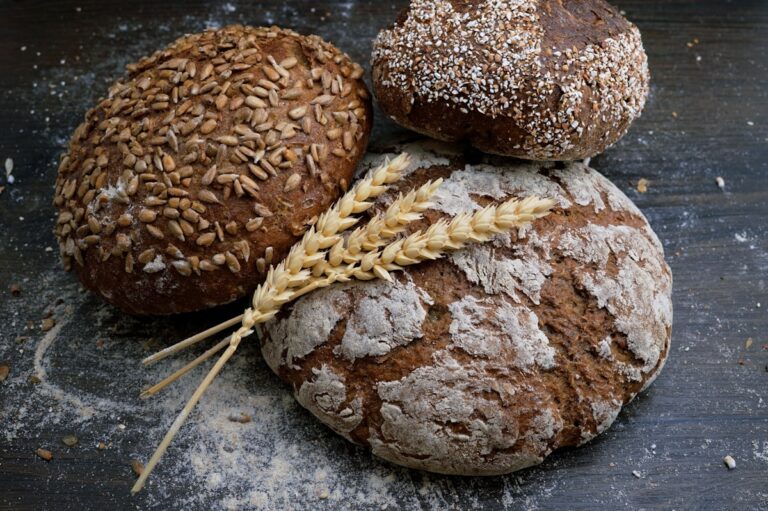
- Morning bakery run: find the tunur (clay oven) smoke at 07:00–09:00 and buy naan within the hour it leaves the wall — that’s when it’s best. In Kashgar this is a daily ritual worth setting an alarm for.
- Milk-tea houses: black brick tea simmered with milk (sometimes salted), poured from a height. Sit, don’t gulp — it’s the social glue of the day.
Polo and laghman houses
- Polo (pilaf): cooked in a clay-oven qazan and served at lunch — go where locals queue at midday; the clay-oven versions are the ones worth the stop.
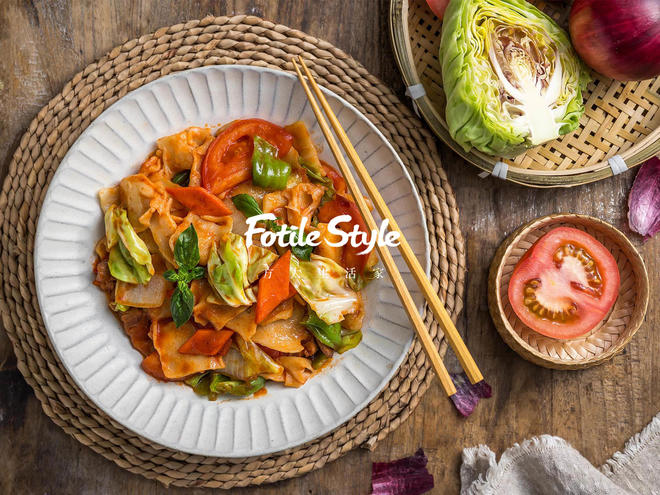
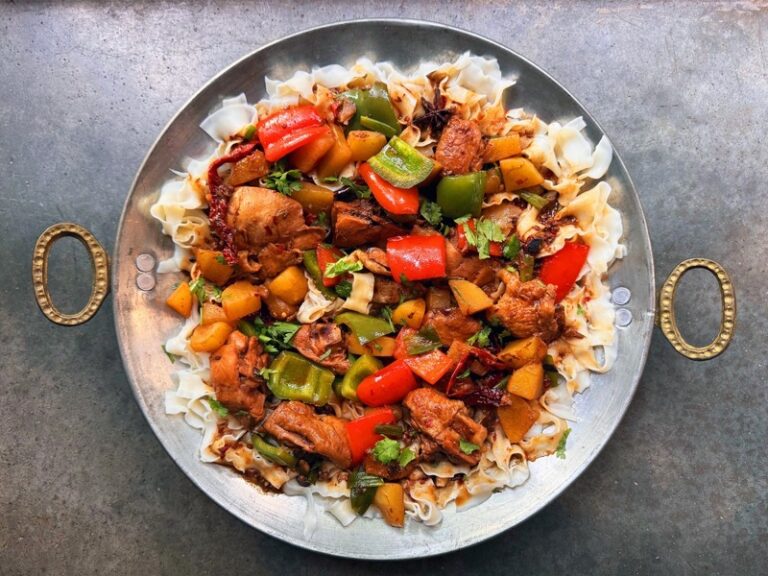
- Laghman (hand-pulled noodles): look for the pulled-to-order joints, usually a basement kitchen with a cook yelling at a wok. Chewy noodles, not limp ones.
Regional differences
- Kashgar: the Uyghur heartland — kebabs, polo, samsa, and the old-city atmosphere. Most atmospheric eating in the region.
- Urumqi: the most mixed; bazaar food plus Han-style noodle houses and everything in between. Good for range in one city.
- Hotan: naan variants (onion-and-meat ertong nang) and a slower, oasis-town pace.
- Ili Valley: sweeter naans with dried fruit, stronger dairy, and green-season pastures.
The stall, the teahouse and the restaurant
I eat at the first two most days and take people to the third when they ask for somewhere proper. What you lose at the stall is a seat and some shade. Everything else is right there. The street stall is fastest, cheapest and eaten standing up.
Three kinds of place sell the same dish in Xinjiang Cuisine Guide 10, and they are not competing so much as serving different occasions. The teahouse is where you sit an hour and get refilled. The restaurant is where you take someone you want to impress. The food is the same and the price gap is not small.
How to order, and what a portion really costs
Card and phone payment both work everywhere in Xinjiang Cuisine Guide 10. The number on the board is for one, and one here is enough for a European adult if you share two. Order one less than you think, because the rice arrives in a bowl the size of a small basin and the second helping does not need ordering. Tips are not expected in the small places and are quietly welcome where there is table service, but do not build the visit around it. I wrote the driving side up in our [[xinjiang-cuisine-guide-10-dishes-silk-road|A Food Lover’s Guide to Xinjiang: 10 Dishes…]] as well.
How to order and the etiquette
- Three words carry you: naan (bread), chuanr (skewers), polo (pilaf) — say them with a smile and you’ll eat well.
- Cash: many of the best spots don’t take mobile pay or cards; carry small bills.
- Halal: most Uyghur, Kazakh, and Kyrgyz places are halal — no pork, and skip alcohol on the premises.
- Right hand: when eating polo or naan by hand, use your right hand.
A half-day “eat the city” plan
Morning: bakery run for naan + a milk tea. Late morning: a polo lunch at a busy clay-oven spot. Afternoon: wander the old town or bazaar for fruit and a samsa. Evening: the night market for skewers and people-watching. That single arc, in Kashgar or Urumqi, is most of what makes Xinjiang’s food culture click.
For the dishes themselves and what makes each one worth the trip, see the ten-dish food guide.