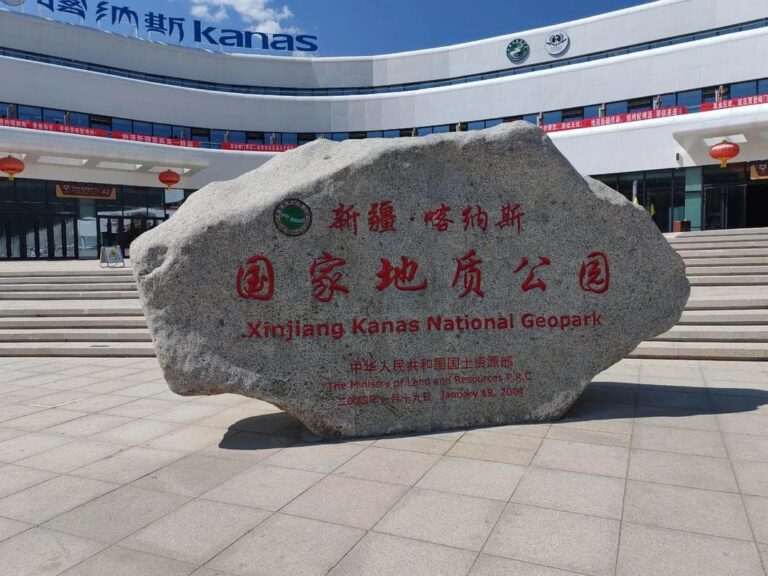

Xinjiang Travel Guide 2026
Covering one-sixth of China’s total land area, Xinjiang is a dream destination for explorers, culture lovers and landscape photographers. As the core hub of the ancient Silk Road, it boasts magnificent natural scenery, profound time-honored history and splendid multi-ethnic cultures. Tailored exclusively for 2026, this all-in-one Xinjiang Travel Guide serves as a forward-looking one-stop travel planner for international visitors. Whether you are visiting the Western Regions for the first time or returning for in-depth exploration, this guide combines classic itineraries with trending travel experiences to help you set off on a safe, smooth and unforgettable journey.
Last updated: July 15, 2026 · Written by Karl Huang, a Xinjiang travel specialist who has spent time across the region. Practical details are cross-checked against official tourism, transport, and border-regulation sources.
| Best time | May–October; September–October is the golden peak. Spring and autumn are ideal for most regions. |
|---|---|
| How long | 7–15 days; 10–14 days to combine Northern and Southern Xinjiang. |
| Difficulty | Moderate — vast distances and some border areas need permits. |
| Cost level | Mid-range: roughly ¥400–900 per day self-guided; more with private tours. |
| Regions | North (nature: Kanas, Sayram, grasslands), South (Silk Road: Kashgar, Kuqa), East (Turpan). |
| Don’t miss | Kanas Lake, Sayram Lake, Kashgar Old City, the Duku Highway, Heavenly Lake (Tianchi). |
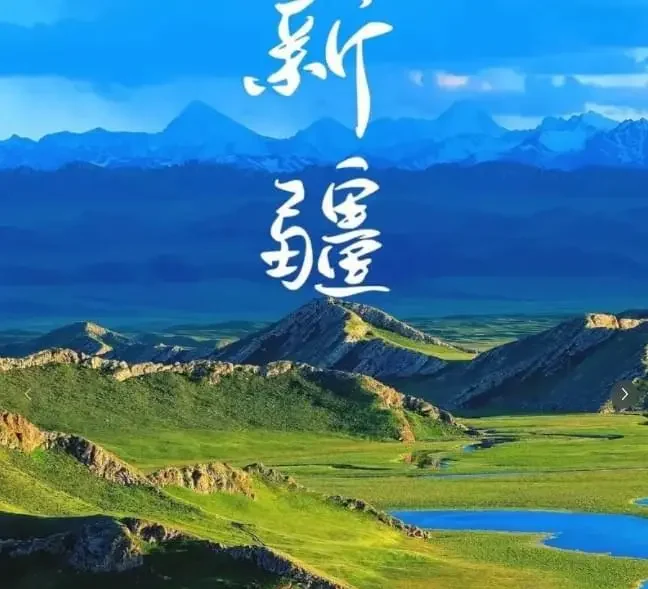
Why 2026 Is the Perfect Time to Travel in Xinjiang
With the full recovery of global tourism, tourism infrastructure and supporting services across Xinjiang keep upgrading steadily. In 2026, travelers will enjoy more convenient transportation networks, diversified cultural interaction programs and eco-friendly sustainable travel options. This guide covers timeless classic highlights as well as emerging brand-new travel experiences, enabling you to enjoy both in-depth exploration and exclusive distinctive journeys.
Part 1 Top Must-Visit Destinations in Xinjiang (2026 Updated Version)
Due to its vast territory, Xinjiang is generally divided into three major travel zones: Northern Xinjiang famous for natural landscapes, Southern Xinjiang featured with ethnic customs, and Eastern Xinjiang renowned for historic relics and unique landforms. Below is the updated must-see list based on the latest travel trends.
Northern Xinjiang: Visual Feast of Natural Wonders
Framed by the Altai Mountains and Tianshan Mountains, Northern Xinjiang features fairy-tale-like scenery and ranks top among nature lovers’ travel lists.
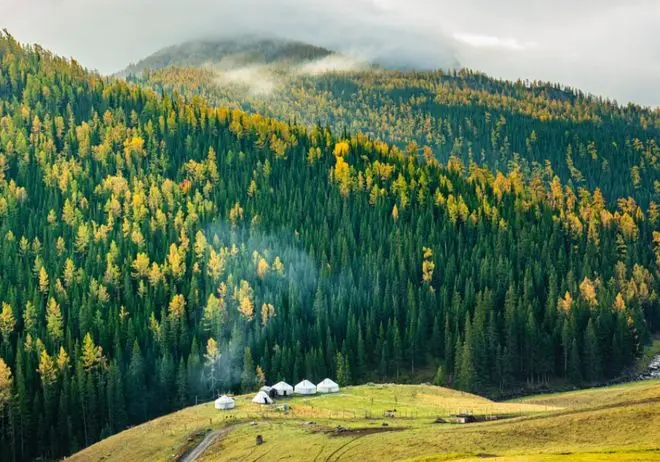
- Kanas Lake & Hemu Village: Hailed as the Fairy Garden on Earth. Apart from iconic lake views, travelers are highly recommended to stay in Hemu Village and Baihaba Village to experience primitive daily life of the Tuvan people. Late September to early October is the prime photography season with dense forests dyed in gorgeous autumn hues. New trending experiences include guided easy hikes to reach less-crowded secret viewing platforms.
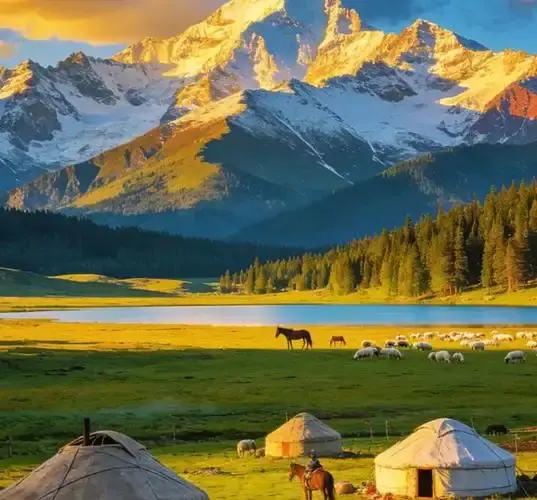
- Sayram Lake: Known as the Last Tear of the Atlantic Ocean. The improved lakeside eco-tourism routes greatly enhance cycling and self-driving experiences in 2026. Wild flowers bloom luxuriantly along the shore from May to June; the lake presents crystal sapphire blue in summer and stunning blue ice landscapes in winter, suitable for visits all year round.
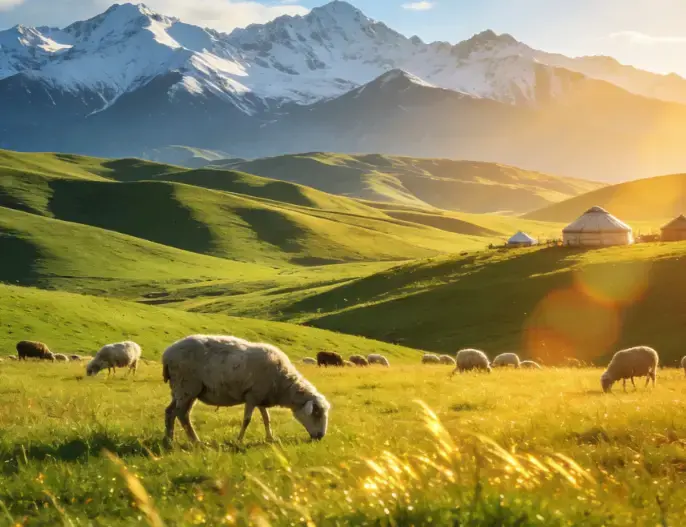
- Narat Grassland & Bayanbulak Grassland: Narat features elegant river valley grasslands, while Bayanbulak is famous for the stunning meandering Nine-Turn Eighteen-Bend river view. It is advised to choose one grassland for immersive slow travel, stay in traditional Kazakh yurts and join local daily activities such as milking cows at dawn and herding sheep at dusk instead of quick sightseeing stops.
- Duku Highway: Praised as China’s Most Beautiful Mountain Highway, it is only open for several months in summer. Travelers planning a road trip shall keep an eye on official opening notices (normally from June to early October) and book roadside accommodation in advance. More than a simple traffic route, it is a picturesque landscape corridor, so it is suggested to arrange 2 to 3 days for a leisurely journey.
Southern Xinjiang: Soul and Vitality of the Silk Road
Concentrating abundant humanistic landscapes and exotic ethnic styles, Southern Xinjiang is ideal for immersive cultural travel.
- Kashgar Old City: China’s only labyrinth-style old town featuring Islamic culture. The core travel theme in 2026 is slow travel. Spend half a day wandering through crisscrossing alleys, taste authentic tea in century-old teahouses and watch craftsmen making copper wares on site. The grand city gate opening ceremony at the east gate is unmissable in the evening.
- Pamir Plateau: Head towards the Roof of the World along the legendary China-Pakistan Friendship Highway. Road conditions leading to Tashkurgan County have been greatly optimized in 2026. Stunning scenic spots along the way include White Sand Lake and Karakul Lake with perfect reflections of Mount Muztagh Ata. Visitors can pay home visits to local Tajik families and learn about the unique culture of the Eagle Nation.
- Taklamakan Desert & Desert Highway: A cross-desert road trip across the world’s second-largest shifting desert is an ultimate travel experience. Apart from the classic Luntai-Minfeng route, travelers can try partial sections of the N39° Desert Exploration Route with professional support teams to explore pristine desert scenery. Golden poplar forests in Luntai present spectacular views in autumn, showing the tenacious vitality of nature.
Eastern Xinjiang & Turpan: Flaming Land, Oasis and Ancient History
- Turpan: China’s hottest and lowest-altitude region. Visit the legendary Flaming Mountain from classic novels, explore the miraculous ancient Karez water conservancy project and enjoy cool leisure time under grape trellises in Grape Valley. The night light shows at Jiaohe Ruins and Gaochang Ruins will become more mature in 2026, bringing brand-new visual enjoyment.
- Hami: Apart from world-famous sweet Hami melons, it boasts fantastic Hami Ghost City Yardang landforms and graceful Barkol Grassland. Self-driving routes and supporting facilities inside Hami Ghost City will be further optimized in 2026, perfectly catering to photography enthusiasts and adventure seekers.
Part 2 In-depth Cultural Immersion Experiences in 2026
A professional Xinjiang travel guide must include interactive experiences beyond ordinary sightseeing.
- Intangible Cultural Heritage Handicraft Workshops: Sign up for small-scale Adelis silk weaving or handmade pottery making courses in Kashgar or Hotan, and create exclusive souvenirs under the guidance of veteran artisans.
- Community-based Sustainable Travel: Choose homestays and travel programs cooperating closely with local communities. For instance, stay in wooden houses run by local Tuvan residents in Hemu and Kanas, so that tourism benefits can directly support local community development.
- Festival-themed Travel Planning: Arrange your itinerary according to ethnic festivals for authentic local experiences if your schedule permits. Corban Festival, usually falling around July in Gregorian calendar, is the best time to witness grand Uygur traditional celebrations.
Part 3 Complete Xinjiang Food Guide: From Street Snacks to Feast Dishes
Local delicacies are an indispensable part of Xinjiang travel, and food exploration can be more diversified and in-depth in 2026.
Must-Try Street Snacks
Freshly baked samsa, fragrant red-willow lamb skewers and rich handmade ice cream, especially popular in Ili and Kashgar.
Signature Main Dishes
Big plate chicken, numbing-spicy chicken, oven-roasted lamb and spicy lamb trotters. It is recommended to dine at local-recommended authentic restaurants.
Staple Foods & Desserts
Lamb pilaf tastes best at lunchtime; chewy hand-pulled noodles and crispy naan bread which is easy to store are perfect travel provisions. Do not miss seasonal sweet juicy fruits after meals.
Dining Etiquette Tips
Most local restaurants are halal. Please respect relevant customs and avoid bringing non-halal food or mentioning related topics indoors.
Part 4 Updated Practical Travel Tips for Foreign Visitors 2026
This is the most essential section compiled based on the latest travel policies and local conditions.
Visa & Border Permit Rules
Ensure your valid Chinese visa in advance. A border pass issued by local public security bureaus in Urumqi or Kashgar is mandatory for travels to border areas including Baihaba Village and Tashkurgan County. You can entrust formal travel agencies to assist with the application process for higher efficiency.
Transportation Arrangement
- Long-distance travel: Most international flights land at Urumqi Diwopu International Airport. Domestic flights between major Xinjiang cities such as Urumqi-Kashgar and Urumqi-Yining can greatly save travel time. The expanding high-speed rail network also enables convenient trips from Urumqi to Turpan and Hami.
- Local travel: Chartered cars with experienced local drivers remain the top choice, especially for trips to Kanas and the Pamir Plateau. It is vital to select qualified and safety-oriented travel service providers in 2026. Self-driving travelers shall fully inspect vehicle conditions and download offline maps beforehand.
Accommodation & Network Service
International chain hotels and high-quality boutique hotels are easily accessible in major cities. Homestays and characteristic inns are mainly distributed around scenic spots, which need advance reservation especially during peak travel seasons from July to October.
Wi-Fi coverage is available in most hotels and restaurants. It is suggested to purchase local Chinese SIM cards for stable mobile network signals especially in remote areas. Major international credit cards are accepted in high-end hotels, while Alipay and WeChat Pay are the mainstream payment methods. You can bind international credit cards or prepare adequate cash in advance.
Health, Safety & Cultural Respect
- Altitude sickness prevention: Take proper precautions and avoid strenuous exercise with sufficient water intake when traveling to the Pamir Plateau above 3,000 meters above sea level.
- Sun protection & hydration: Prepare high-factor sunscreen, sunglasses, sun hats and lip balm to adapt to dry climate and strong ultraviolet rays.
- Public security: Xinjiang maintains a sound social security environment. You can travel safely as long as you respect local customs and religious beliefs.
- Photography etiquette: Always smile and ask for permission politely before taking photos of local residents, especially elders, women and children.
Sustainable Travel Principles
- Use reusable water bottles to reduce plastic waste pollution.
- Strictly follow scenic area regulations, stay on designated paths and never take away any natural resources such as stones and plants.
- Prioritize handmade souvenirs crafted by local artisans over mass-produced commodities to support local folk craftsmanship inheritance.
Part 5 Classic Recommended Itineraries 2026
- Northern Xinjiang Natural Scenery Loop (9-12 days)Urumqi → Heavenly Lake of Tianshan → Koktokay → Burqin → Kanas → Hemu → Urho Ghost City → Sayram Lake → Yining → Narat / Bayanbulak Grassland → Duku Highway → Urumqi
- Southern Xinjiang Ethnic Culture Loop (10-14 days)Fly from Urumqi to Kashgar (3-4 days in-depth tour) → Tashkurgan (2-3 days Pamir Plateau tour) → Yarkand → Hotan → Desert Highway → Kuqa (Kizil Grottoes) → Korla → Urumqi
- All-Round Grand Xinjiang Loop (18-22 days)Suitable for travelers with ample leisure time. Start from Urumqi to finish the Northern Xinjiang loop first, then head south to Kuqa via Duku Highway and continue the Southern Xinjiang journey.
Conclusion Plan Your Epic Xinjiang Journey in 2026
No words can fully depict the grandeur and profound charm of Xinjiang. It deserves your personal exploration, recording and heartfelt perception. This 2026 Xinjiang Travel Guide serves as your perfect travel starting point, providing the latest and most practical travel information to help you arrange a responsible and rewarding trip.
Whether you are seeking peaceful autumn scenery in Kanas, experiencing lively night vibes in Kashgar Ancient City, or embracing the vastness of the Pamir Plateau, Xinjiang will leave you precious lifelong memories with its inclusive and extraordinary charm.
Is Xinjiang safe to visit?
Yes, Xinjiang is considered very safe for tourists with strong security presence throughout the region.
Do I need a visa?
Foreigners need a valid Chinese visa. No separate Xinjiang permit needed for most tourist areas.
What currency should I bring?
Chinese Yuan (RMB). Credit cards accepted in hotels; carry cash for markets and rural areas.
Can I find English-speaking guides?
Available in major tourist areas through hotels or travel agencies. Book in advance for best results.